Why Market Value Is Not a Rebuilding Estimate
A home's market value reflects what a buyer may pay for the property, including the land, location, demand, and condition of the house. Dwelling coverage is generally intended to address the cost of repairing or rebuilding the insured structure after a covered loss, subject to the policy's terms, limits, and exclusions. Those figures can be very different in Galveston. A home near the Seawall or a popular beach area may command a high sale price because of its location, even though the land itself is not something a dwelling policy rebuilds. Conversely, a distinctive older home can have a modest market price but require costly materials and skilled labor to reproduce.
What Goes Into a Galveston Reconstruction Cost
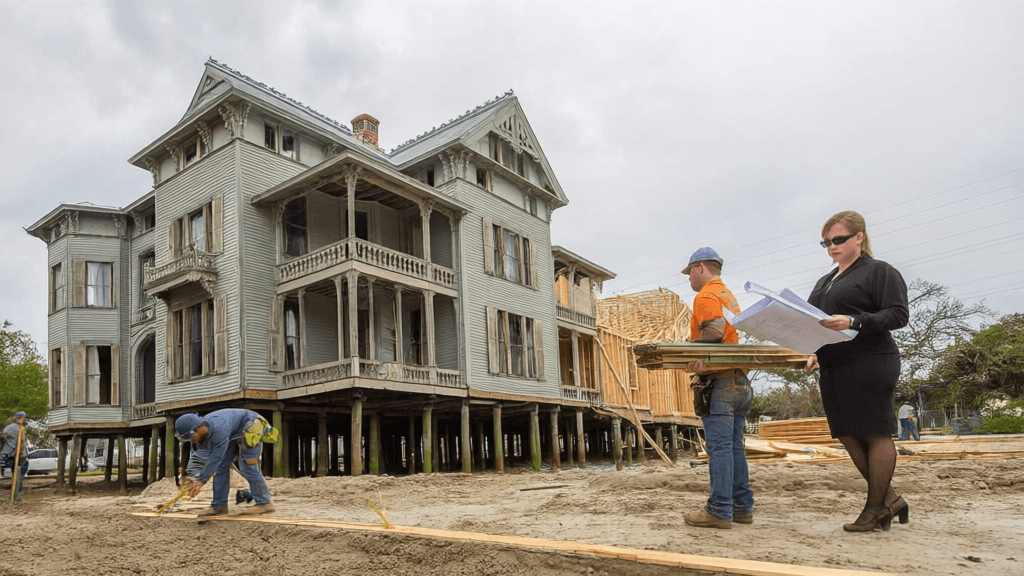
A rebuilding estimate typically considers the home's size, layout, construction type, finish level, and local costs for labor and materials. It may also account for demolition and debris removal, permits, and the work needed to bring a rebuilt structure into compliance with applicable building requirements. In Galveston, access to materials and qualified contractors can become more difficult after a widespread storm, when many property owners need repairs at once. That surge in demand can affect both schedules and prices. An estimate based only on square footage or a county appraisal may miss features such as custom millwork, a complex roof, or elevated construction.
Coastal Conditions Can Change the Scope of Work
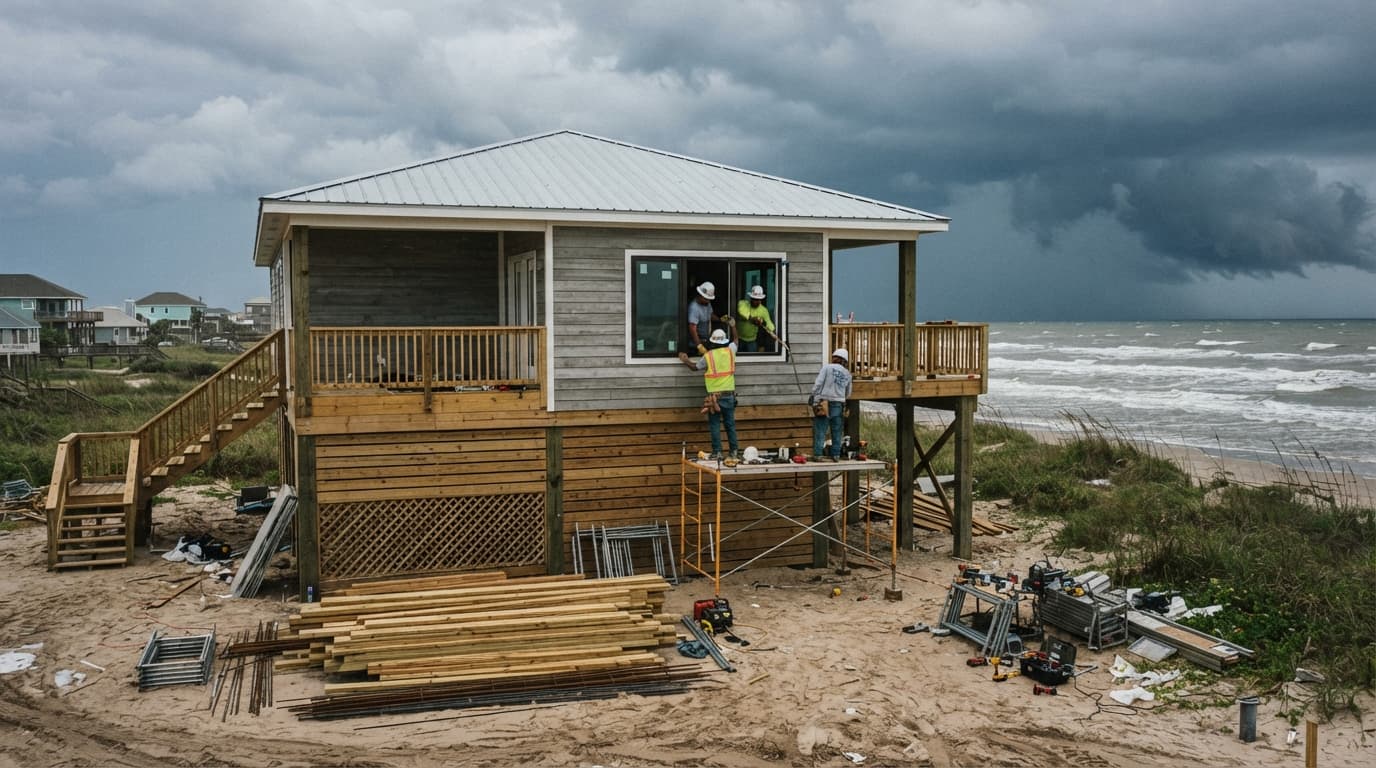
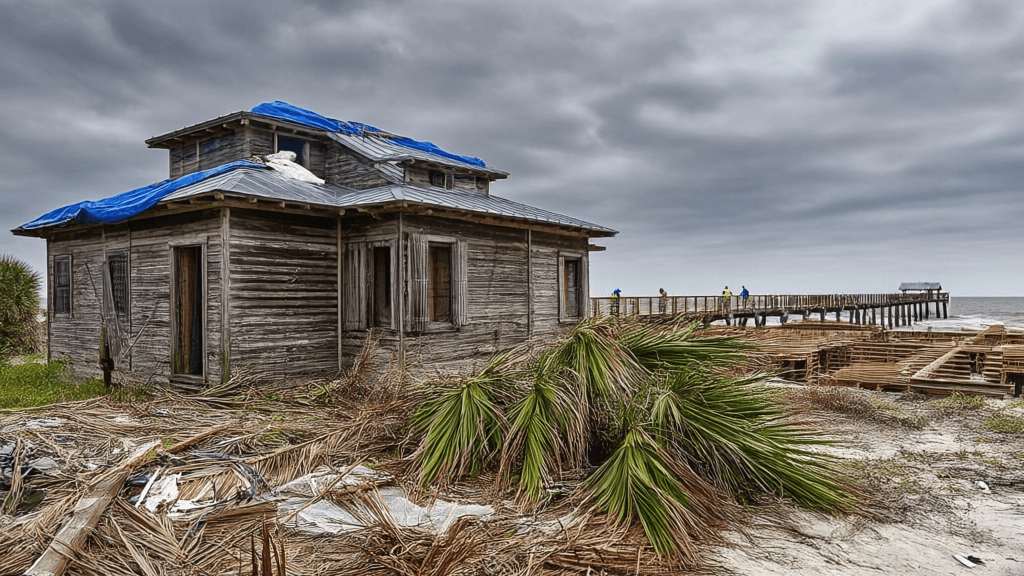
Coastal homes face repair considerations that are less common inland. Wind-driven rain, salt air, and storm exposure can influence choices of roofing, exterior finishes, windows, fasteners, and other components. A reconstruction estimate should accurately reflect the house as it is built, rather than assume a basic inland construction package. Elevation, foundation type, attached porches, and detached structures can also affect the amount and kind of work required. Building rules can vary by location and project, so homeowners should confirm current requirements with the appropriate local authorities and qualified professionals. Insurance coverage is policy-specific; do not assume every code upgrade, flood loss, or storm-related expense is included.
Separate the Structure From Land and Other Property
When reviewing dwelling coverage, focus on the home’s physical structure and the construction work needed to restore it, not the entire value shown in a real estate listing. Land is not rebuilt after a fire or wind loss, so its value should not be treated as a construction expense. At the same time, a dwelling estimate may need to account for attached features such as a garage, built-in cabinetry, or a covered entry, depending on how the policy defines the insured residence. Personal belongings, detached sheds, fences, and temporary living expenses may be addressed under separate coverage sections with their own limits and conditions. Read the policy declarations and ask how each item is categorized.
Check the Estimate Against the Home You Actually Own
Start with accurate details: finished living area, number of stories, roof shape and materials, exterior construction, foundation, bathrooms, kitchen finishes, and any additions. Tell the insurer or estimator about renovations that changed the structure, such as a larger kitchen, a new room, upgraded windows, or a replacement roof. Keep receipts, permits, contractor documents, and photographs together so that improvements are easier to describe if a claim occurs. If an estimate seems unusually low or high, ask which assumptions produced it. A generic cost-per-square-foot figure can be a useful starting point, but it is not a substitute for verifying the home's specific features and local construction conditions.
Review Policy Limits and Special Conditions
A replacement-cost estimate and a policy limit are related, but they are not interchangeable. The declarations page shows the dwelling limit, while the policy explains how a covered claim may be settled and what conditions apply. Some policies offer an additional amount above the dwelling limit for certain rebuilding costs; others may have specific requirements or restrictions. Ask whether the estimate includes demolition, debris removal, and increased costs arising from code requirements, and whether those expenses are subject to separate limits. Also review windstorm and hurricane provisions, deductibles, exclusions, and any separate flood insurance arrangement. Flood damage is commonly handled separately from a standard homeowners policy, so confirm coverage rather than relying on assumptions.
Galveston and Nearby Communities Have Different Property Details
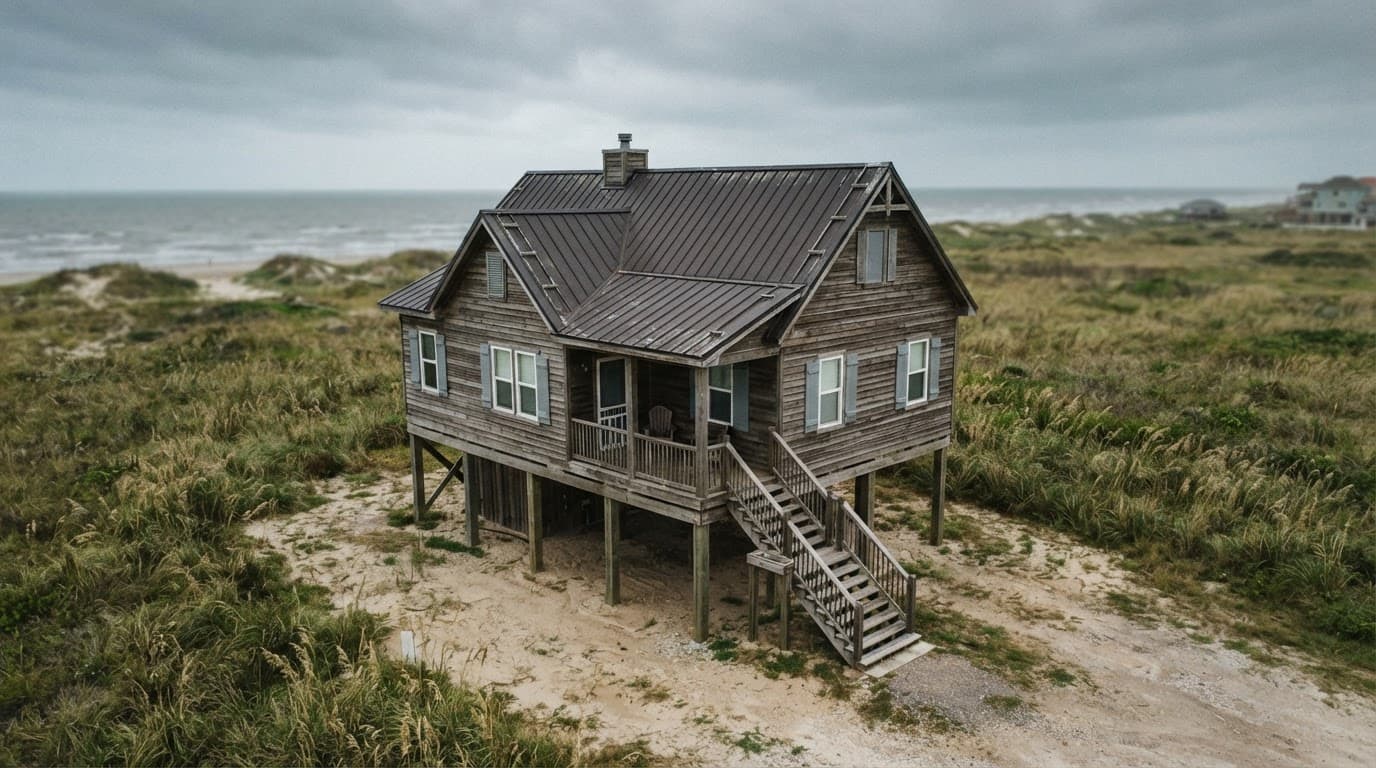
Galveston homeowners may have elevated houses, historic details, coastal-grade materials, or additions shaped by the lot and exposure. Those features can make a property's reconstruction needs differ from a similar-sized home farther inland. Nearby communities such as Texas City, La Marque, Hitchcock, and League City also have varied housing styles and site conditions, so an estimate should be based on the specific residence rather than a broad regional average. A homeowner planning improvements should consider how the project changes the home's replacement profile and tell the insurer when work is complete. For older or unusual homes, a detailed contractor or professional estimate may help identify construction features a basic questionnaire overlooks.
Practical Coverage Review Checklist
- Compare the dwelling limit with a current reconstruction estimate, not the home's sale price or land value.
- Update the home's size, materials, roof, foundation, attached features, and documented renovations.
- Ask how debris removal, code-related costs, and extended rebuilding expenses are treated under the policy.
- Review windstorm, hurricane, flood, and other deductibles, exclusions, and separate coverage arrangements.
- Revisit the estimate after major renovations and periodically as construction costs and property details change.

When and How to Revisit Dwelling Coverage
Review dwelling coverage at renewal and after a significant change, such as an addition, kitchen renovation, roof replacement, or conversion of unfinished space into living area. It can also be sensible to ask for an updated estimate when construction prices shift substantially or when the current estimate no longer reflects the home's details. Prepare a list of improvements and questions, then compare the estimate with the policy's limit, settlement method, deductibles, and exclusions. If a figure is unclear, request an explanation of its assumptions instead of simply choosing a higher or lower limit. The goal is an informed match between the structure's likely reconstruction cost and the coverage available under the contract.
Take a Fresh Look at Your Dwelling Limit
Gather your home details and policy declarations, then request a current reconstruction estimate and clarification of the limits, deductibles, and exclusions that apply.
Get a Free Quote