
What Dwelling Coverage Means for Galveston, TX Homeowners
Dwelling coverage is the part of a homeowners insurance policy that helps pay to repair or rebuild the physical structure of a house after a covered loss. That usually includes the roof, walls, attached garage, built-in appliances, and the main frame of the home. For homeowners in Galveston, TX, this is the foundation of the policy because it protects the place you live, not just the belongings inside it. If a windstorm, fire, hail event, or another covered peril damages the home, dwelling coverage is what responds to the structural loss, up to the policy limit and subject to the deductible. It is especially important for primary homes, second homes, and coastal properties where repair costs can rise quickly.
Why Dwelling Coverage Matters in Galveston
Galveston homes face risks that can make structural protection more important than many owners first realize. Coastal storms, hurricane season, wind-driven rain, hail, and salt-air wear can all increase the chance of damage or the cost of repairs. Building materials, elevation needs, and local code updates may also affect what it takes to rebuild a house near the Gulf. A home near the Seawall, East End, or Jamaica Beach area may have different exposure than a property farther inland, but the need for solid dwelling limits stays the same. Homeowners in Galveston and nearby places like Texas City, League City, and Dickinson often need to think beyond market value and focus on actual reconstruction cost instead.
What Dwelling Coverage Typically Covers
Dwelling coverage generally protects the house itself against covered perils named in the policy or covered under an all-risk form, depending on the policy language. Commonly covered causes of loss may include fire, lightning, smoke, hail, certain wind damage, vandalism, and damage from the weight of ice or fallen objects, though coastal wind rules and exclusions can vary in Texas. It can also help with attached structures such as an attached garage, porch, or deck if they are part of the residence structure. This coverage does not usually pay for routine wear and tear, maintenance issues, flood damage, or earth movement. In Galveston, homeowners should review policy details carefully because separate windstorm or flood coverage may be needed for full protection.
Key Benefits of Dwelling Coverage
- Helps pay to repair or rebuild the house after a covered structural loss
- Protects core home components such as the roof, walls, foundation elements, and attached garage
- Supports recovery after fire, hail, and certain wind-related damage subject to policy terms
- Can reflect local rebuilding costs, labor rates, and material pricing in Galveston
- Works with endorsements and related coverages to create stronger coastal home protection

Factors Affecting Dwelling Coverage Rates in Galveston, TX
The cost of dwelling coverage in Galveston depends on more than the age or sale price of the home. Insurers look at reconstruction cost, square footage, roof age and material, elevation, distance from the coast, prior claims, and the home's resistance to wind and hail. Newer roofs, storm shutters, updated electrical systems, and fortified construction features may help improve eligibility or pricing. In Galveston, coastal exposure can make premiums higher than in some inland communities, and homes in nearby La Marque, Santa Fe, or Hitchcock may rate differently based on location and storm risk. Texas insurance rules, deductible choices, and whether separate windstorm protection is required can also change the overall cost of insuring the structure.
How Dwelling Coverage Claims Usually Work
A dwelling coverage claim usually starts by documenting the damage as soon as it is safe to do so. Homeowners should take photos, prevent further damage when possible, and report the loss promptly. After that, the carrier may assign an adjuster to inspect the property, review the cause of loss, and estimate repair costs. If the damage is from a covered peril, payment is generally issued according to the policy terms, deductible, and settlement method, such as replacement cost or actual cash value until repairs are completed. In Galveston, quick reporting can be especially important after widespread storm events because contractor schedules fill up fast. Keeping receipts, repair records, and a current home inventory can help the process move more smoothly.
Common Dwelling Coverage Mistakes and Misconceptions
One of the biggest mistakes is assuming dwelling coverage should match the home's purchase price or current market value. Insurance is based on rebuilding cost, which can be very different in a coastal market like Galveston. Another common misunderstanding is believing all storm damage is automatically covered the same way. In Texas, windstorm availability, hurricane deductibles, exclusions, and flood limitations can make the coverage picture more complex. Some homeowners also underinsure because they forget about debris removal, ordinance or law upgrades, or higher labor costs after a major storm. People in Kemah, Friendswood, Pearland, and Alvin who own homes closer to the coast or in storm-prone areas should review policy details regularly rather than assuming last year's limit is still enough.
Choosing the Right Dwelling Coverage Level
The right dwelling limit is usually based on the estimated cost to rebuild the home with similar materials and workmanship, not on the tax appraisal or resale amount. For Galveston homeowners, that estimate should account for coastal construction methods, roofing standards, permit requirements, and potential code upgrades after a major loss. It can also make sense to review deductible options carefully, including separate wind or hurricane deductibles if they apply. Some owners benefit from extended replacement cost or ordinance and law endorsements that help with unexpected rebuilding expenses. Reviewing updates like a renovated kitchen, new roof, room addition, or enclosed patio is important too, because any structural improvement can change how much dwelling coverage the home really needs.
Getting Dwelling Coverage in Galveston and Nearby Areas
Getting dwelling coverage starts with basic details about the property, including the year built, square footage, construction type, roof information, updates, and prior claims history. From there, the home's estimated replacement cost is calculated and matched with appropriate policy options, deductibles, and endorsements. In Galveston, it is smart to ask specific questions about windstorm rules, flood exclusions, and whether additional coastal protection is recommended. Homeowners in Galveston as well as Texas City, League City, Dickinson, La Marque, Santa Fe, Hitchcock, Kemah, Friendswood, Alvin, Pearland, and Bacliff should review quotes with an eye on structural limits first, because that is the core protection for the house itself. A careful review now can help avoid major coverage gaps after a loss.
Answers at Your Fingertips
Dwelling coverage cost in Galveston, TX depends on the home's rebuild value, age, roof condition, storm exposure, deductible, and claims history. Coastal location can make premiums higher than inland areas, so the best way to compare cost is to review limits, wind-related terms, and endorsements side by side.
Dwelling coverage generally covers the main structure of the home, including walls, roof, attached garage, and built-in features, when damage is caused by a covered peril. It does not usually cover flood damage, normal wear and tear, or maintenance problems, so Galveston homeowners should review exclusions carefully.
Yes, many Galveston homeowners should ask about separate windstorm or flood protection. Dwelling coverage is essential, but coastal Texas policies may handle wind and flood differently, and those gaps can be significant after hurricanes, storm surge, or heavy rain events.
The right amount is based on rebuilding cost, not market value. In Galveston, that means considering coastal construction standards, material costs, labor pricing, code updates, and any major home improvements so the policy limit reflects what it would actually take to rebuild after a covered loss.
Start by gathering the home's address, year built, square footage, roof age, renovation details, and claims history. Homeowners in Galveston and nearby communities like Texas City, League City, and Dickinson can then compare options based on structural limits, deductibles, and any coastal coverage needs.
Secure Your Galveston Home Protection
Compare tailored policies in minutes to match your home's unique needs.
Related Articles
Learn more about dwelling coverage in galveston, tx with these expert guides
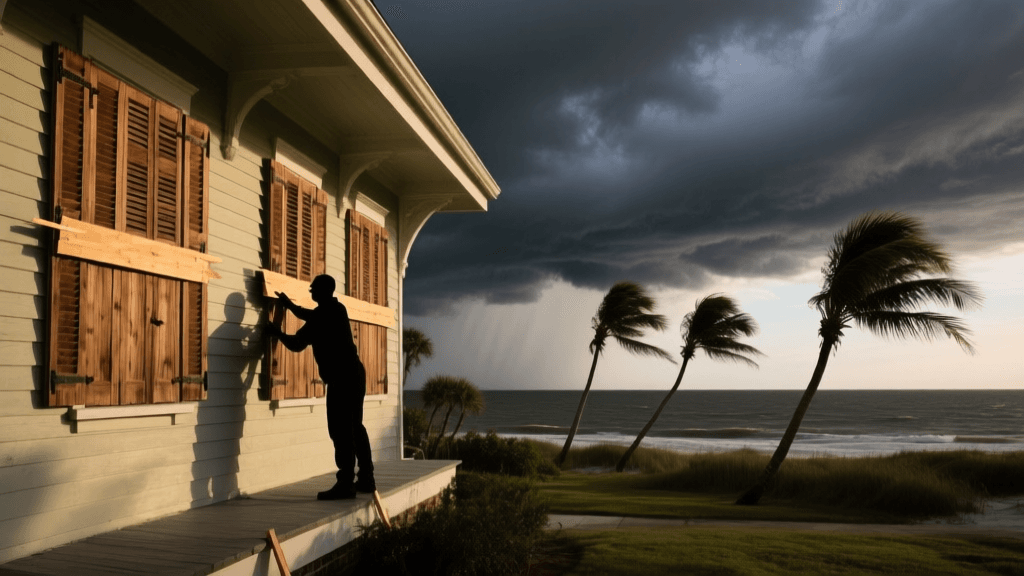
Wind & Hail Coverage in Galveston, TX
A Galveston Windstorm Home Preparation Checklist
This checklist helps Galveston homeowners prepare roofs, windows, doors, outdoor property, and household records for sev...
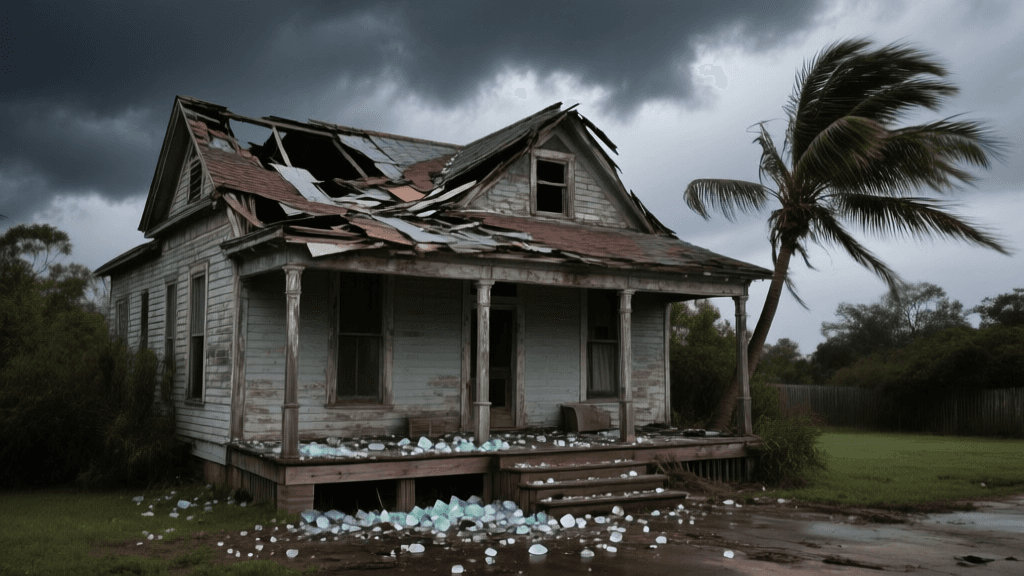
Wind & Hail Coverage in Galveston, TX
Wind and Hail Coverage in Galveston: Deductibles, Limits, and Claim Reviews
Wind and hail claims can involve special deductibles, exclusions, and documentation requirements, especially for homeown...
Other Structures Coverage in Galveston, TX
Other Structures Coverage Limits and Exclusions for Galveston Homes
Other structures coverage can help protect detached buildings such as garages, sheds, and fences, but limits and exclusi...