
What Replacement Cost Means for Galveston Homeowners
Replacement cost is the amount needed to repair or replace covered property with new materials of similar kind and quality, without subtracting depreciation from the covered loss calculation. For a Galveston home, that may mean evaluating current labor and material prices rather than the home’s market value or original purchase price. The dwelling limit should reflect the estimated cost to rebuild the structure, not the value of the land. Coverage remains subject to the policy’s limits, deductible, exclusions, and claim conditions. Homeowners should review whether the dwelling, other structures, personal property, or specific items are settled on a replacement cost or actual cash value basis.
Why Replacement Cost Matters in Galveston, TX
Galveston’s Gulf Coast location brings exposure to hurricanes, tropical storms, wind-driven rain, and flooding. These events can affect roofs, windows, siding, and interior finishes, while widespread damage may increase demand for contractors and building materials. Standard homeowners policies generally exclude flood damage, and windstorm coverage may have separate terms or deductibles; the exact protection depends on the policy and insurer. Coastal construction requirements and local permitting can also shape repair costs. A replacement cost estimate should account for the home’s age, square footage, construction type, roof features, and current local labor costs. Ask a licensed Texas insurance professional to explain how your policy treats wind, water, and storm-related claims.
What Replacement Cost Coverage Can Include
Depending on the policy, replacement cost may apply to the dwelling, detached structures, or personal belongings. A covered kitchen fire, for example, could lead to payment based on the cost to install comparable cabinets and flooring rather than their depreciated value. Personal property coverage can have special limits for categories such as jewelry, art, or collectibles, and some policies initially pay actual cash value before releasing recoverable depreciation after repairs or replacement are completed. Replacement cost does not mean unlimited rebuilding: the policy limit, deductible, exclusions, and any applicable sublimits still matter. Check whether ordinance or law coverage is included or available, since code upgrades after a covered loss may add expenses.
What to Review in a Replacement Cost Policy
- Dwelling limit based on estimated reconstruction cost rather than market value or mortgage balance.
- Whether personal belongings are insured for replacement cost or actual cash value, including any category limits.
- Deductibles that may differ for windstorm, named storms, or other covered causes of loss.
- Optional ordinance or law protection for qualifying code-related rebuilding expenses.
- Claim requirements for documenting completed repairs or replacement before recoverable depreciation is paid.

Factors That Affect Replacement Cost Rates in Galveston
The price of homeowners insurance with replacement cost protection depends on more than the valuation method. Insurers may consider the home’s age, roof condition, construction materials, protective features, distance from coastal hazards, claims history, selected limits, and deductible. Galveston properties can face distinct underwriting considerations related to windstorm exposure and storm history, and policies may treat wind coverage differently. Rebuilding estimates can also change as labor and material costs shift. There is no single rate that applies to every home, so compare quotes using matching limits and deductibles. Ask whether the quoted policy includes replacement cost for the dwelling and contents, and request a clear explanation of exclusions and any separate storm deductible.
How a Replacement Cost Claim Typically Works
After a covered loss, take reasonable steps to prevent further damage, keep receipts for temporary repairs, and contact the insurer promptly using the claim process in your policy. Photograph affected areas and make a room-by-room inventory of damaged belongings; avoid discarding items until the insurer has documented them unless safety requires removal. An adjuster may inspect the damage and prepare an estimate, which you can compare with a qualified contractor’s scope. The insurer evaluates coverage, applies the deductible and policy limits, and explains any initial payment. If depreciation is recoverable, the policy may require you to complete repairs and submit invoices by a stated deadline to receive the remaining eligible amount. Keep all communications and confirm deadlines in writing.
Common Replacement Cost Mistakes and Misconceptions
A frequent mistake is assuming replacement cost guarantees a full rebuild regardless of the dwelling limit. It does not; limits and policy conditions still apply, and added expenses may require separate coverage. Another misconception is that replacement cost and actual cash value are interchangeable. Actual cash value commonly reflects depreciation, while replacement cost generally does not, subject to the contract’s settlement process. Homeowners may also assume every storm-related water loss is covered. Flooding from an external source is generally excluded by standard homeowners policies, so separate flood insurance may be needed. Finally, overlooking roof age, personal-property sublimits, or a windstorm deductible can create surprises. Review your declarations and endorsements before a loss, and ask for explanations of unfamiliar terms.
Choosing the Right Replacement Cost Limits
Start with a current reconstruction estimate that reflects the home’s size, layout, materials, custom features, and local building costs. Do not use the property’s sale price as a substitute: market value includes land and can move independently of construction expenses. Review the estimate after renovations, additions, or major changes in material prices, and make sure garages and other structures are considered. Choose a deductible you could reasonably pay after a loss, while checking whether windstorm or named-storm deductibles are calculated separately. Ask how the policy handles matching materials, code upgrades, and temporary living expenses. A licensed Texas insurance professional can explain available options, but only the policy wording determines coverage.
Getting Replacement Cost Coverage Near Galveston
To compare replacement cost coverage in Galveston, gather your home’s year built, square footage, roof details, construction materials, recent upgrades, and current insurance declarations. Request quotes with comparable dwelling limits, personal-property settlement terms, deductibles, and windstorm provisions so the differences are meaningful. Ask whether the insurer requires a reconstruction estimate or inspection and how recoverable depreciation is handled after a claim. Homeowners in Texas City, League City, Dickinson, La Marque, Santa Fe, Hitchcock, Kemah, Friendswood, Alvin, Pearland, and Bacliff can also compare policy terms based on their property’s location and features. Confirm that the provider and insurance professional are properly authorized in Texas, and read the policy and endorsements before choosing coverage.
Review Your Home’s Rebuilding Protection
Compare replacement cost limits, deductibles, and storm-related terms for your Galveston-area home before you need to file a claim.
Get a Free QuoteAnswers at Your Fingertips
Replacement cost coverage generally calculates a covered repair or replacement using new materials of similar kind and quality without subtracting depreciation. Payment is still subject to the policy limit, deductible, exclusions, and claim requirements.
There is no single price because premiums depend on the home’s rebuilding estimate, age, roof, construction, location, claims history, limits, and deductibles. Windstorm terms can also affect costs. Compare quotes with matching coverage details.
Coverage depends on the cause of damage and policy wording. A homeowners policy may cover certain wind damage but apply a separate windstorm deductible or exclusions. Flood damage is generally excluded from standard homeowners insurance, so review the policy and consider separate flood coverage.
Gather your home and renovation details, then request quotes that specify dwelling limits, personal-property settlement, deductibles, and windstorm terms. Verify the Texas authorization of the insurer and insurance professional, and review the policy and endorsements before purchasing.
No. Replacement cost estimates what it may take to rebuild the structure with comparable materials and labor. Market value includes the land and reflects real estate conditions, so it is not a reliable substitute for a reconstruction estimate.
Coverage availability and terms vary by property, insurer, and location. Homeowners in Texas City, League City, Dickinson, and other nearby communities should compare policy limits, deductibles, windstorm provisions, and eligibility with a Texas-authorized insurance professional.
Secure Your Galveston Home Protection
Compare tailored policies in minutes to match your home's unique needs.
Related Articles
Learn more about replacement cost coverage in galveston, tx with these expert guides
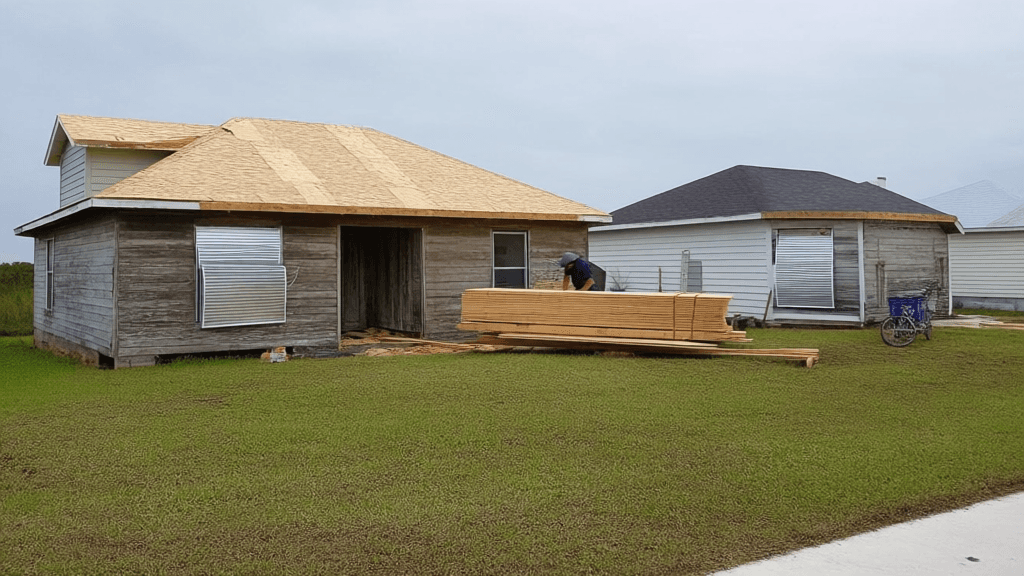
Replacement Cost Coverage in Galveston, TX
How Home Improvements Can Change Replacement Cost Needs in Galveston
Home improvements can increase the cost to reconstruct a home, even when the project does not add much square footage. T...
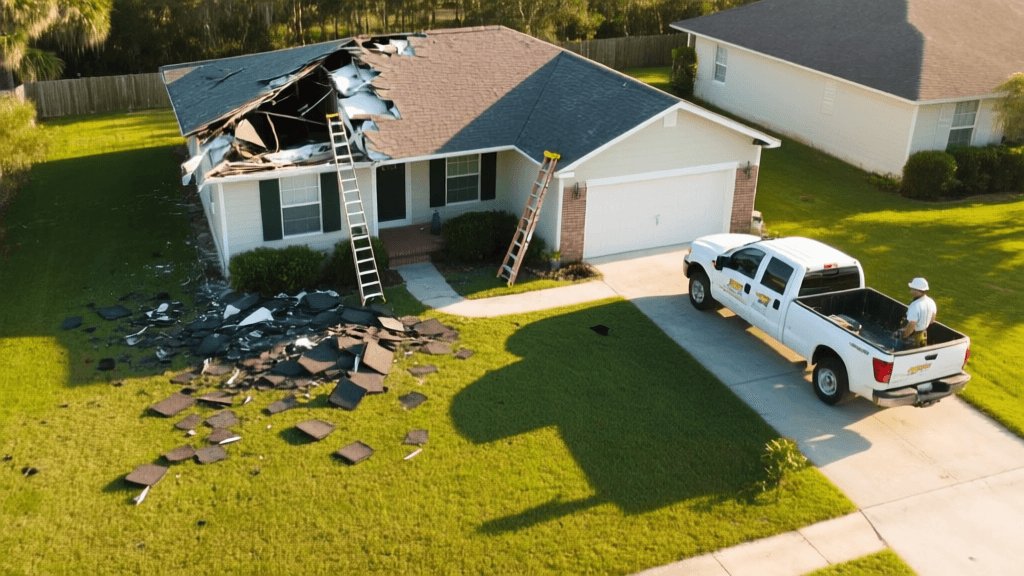
Replacement Cost Coverage in Galveston, TX
Replacement Cost Coverage and Roof Claims: What Galveston Homeowners Should Know
Replacement cost coverage may help pay for covered roof damage, but payment depends on policy wording, roof condition, d...
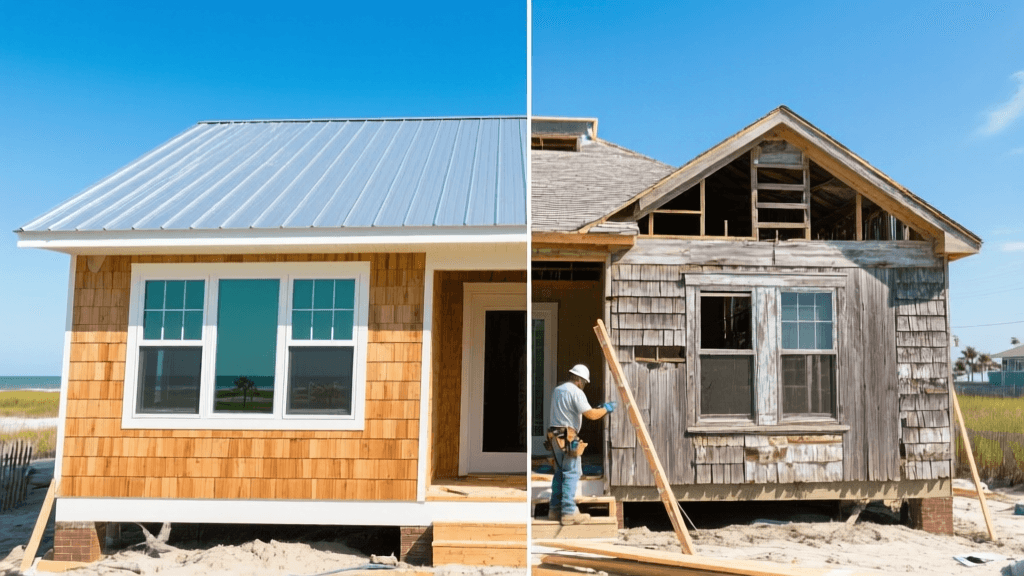
Replacement Cost Coverage in Galveston, TX
Replacement Cost vs. Actual Cash Value for Galveston Home Insurance
Replacement cost and actual cash value describe different ways a covered home or belongings claim may be valued. This gu...