Why Dwelling Coverage Matters More on the Coast
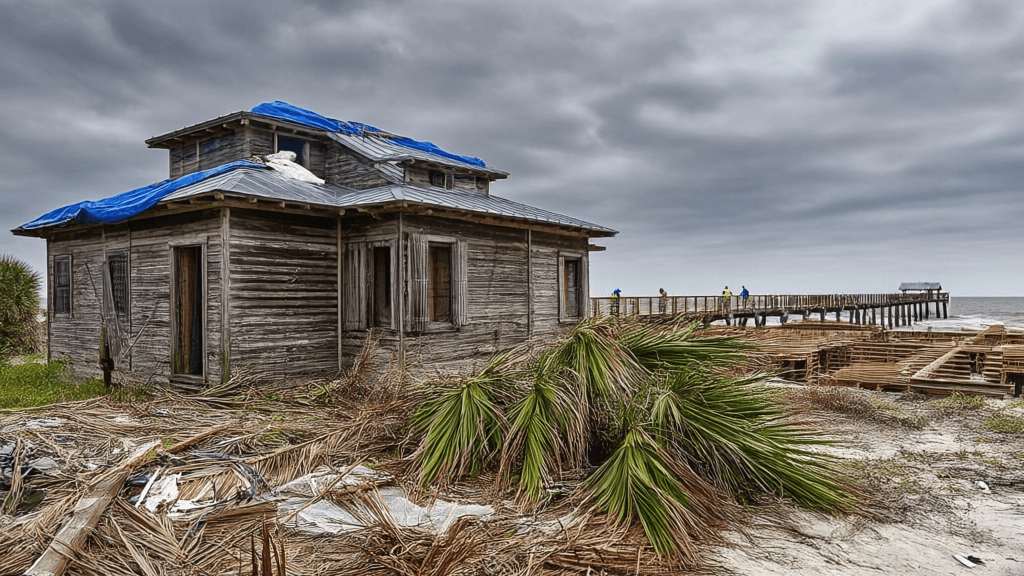
A common mistake in Galveston is assuming dwelling coverage should match a home’s purchase price or an online estimate. On the coast, that can leave a major gap. Dwelling coverage is built around rebuild cost, not resale value, and coastal rebuilding can be unusually expensive because of wind-resistant materials, elevated foundations, specialized trades, and transportation challenges for materials and crews. A modest cottage near the water may cost far more to reconstruct than a similar inland property. If limits have not been reviewed recently, especially after years of building cost inflation, there is a real chance the policy no longer reflects what it would take to rebuild in Galveston today.
Why Rebuild Costs in Galveston Keep Climbing
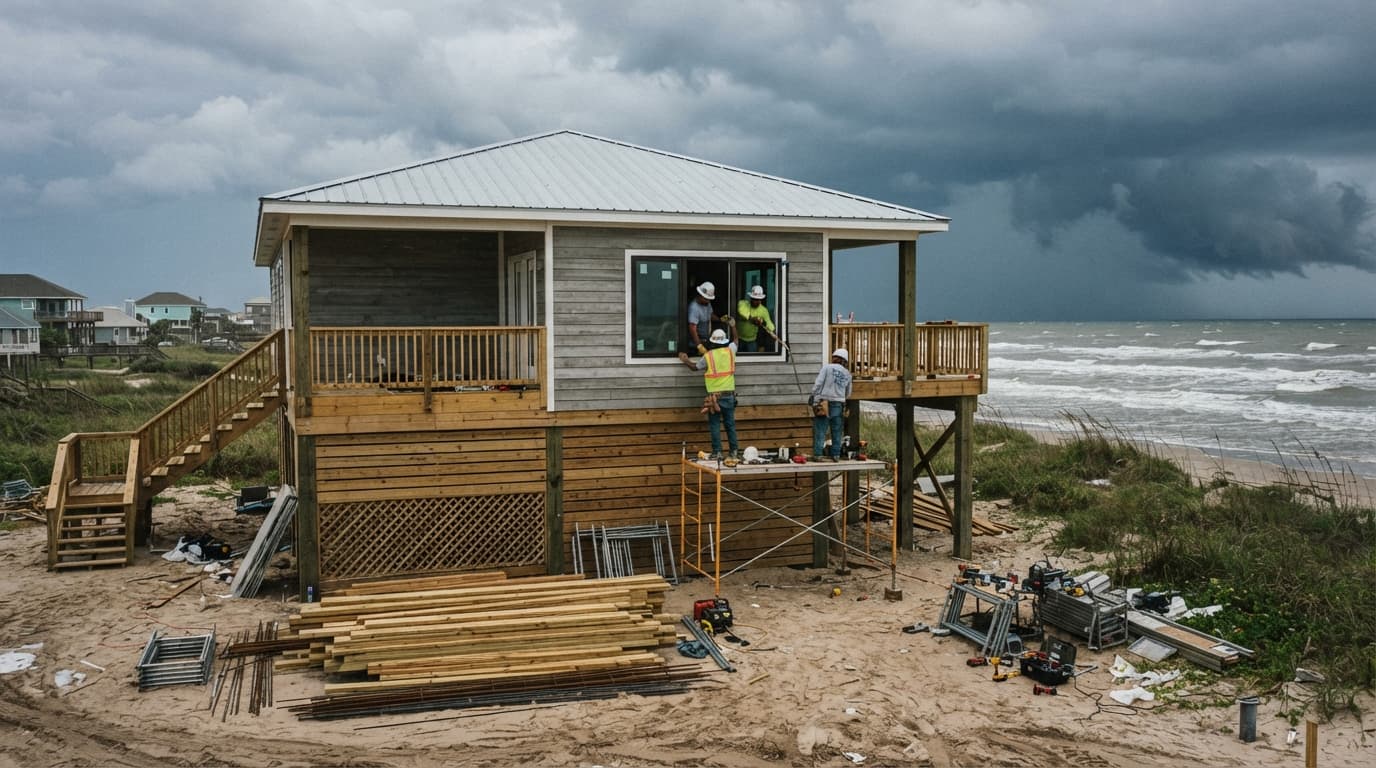
Galveston homeowners face a mix of cost pressures that are different from many inland Texas markets. Coastal exposure often means stronger roof standards, corrosion-resistant hardware, storm-rated openings, and construction methods designed for wind and moisture. Add labor shortages after active storm seasons, permit demand, and the higher cost of hauling materials onto the island, and replacement estimates can move quickly. Even homes farther from the beachfront feel the effect because the same contractor pool and supply chain serve much of the area. That is why rebuilding after a loss in Galveston can cost more than many owners in Texas City, Dickinson, or Santa Fe first expect.
Market Value and Replacement Cost Are Not the Same Thing
One of the most important things to understand is that home price and rebuild cost measure different realities. Market value reflects land, neighborhood demand, and what buyers will pay. Replacement cost focuses on demolition, debris removal, labor, materials, permits, and reconstruction to current standards. In Galveston, land value and proximity to the water can heavily influence sale price, but the actual cost to rebuild is often driven more by construction requirements than neighborhood sales. That means a home with a lower market value can still need high dwelling limits, while another property may sell for more because of location yet not require the same reconstruction budget. Using sale price alone is rarely enough.
Materials, Labor, and Code Upgrades Add Up Fast
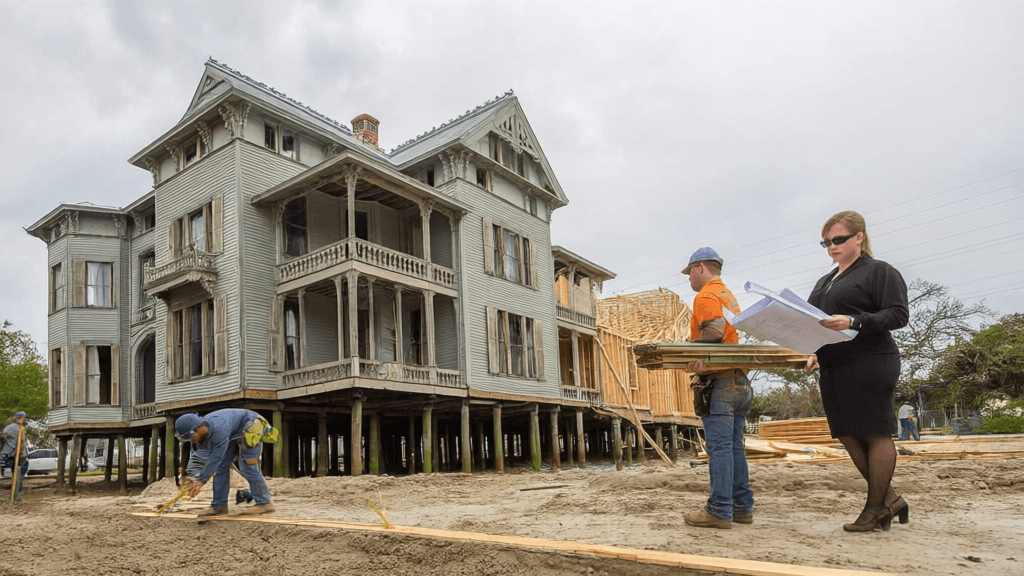
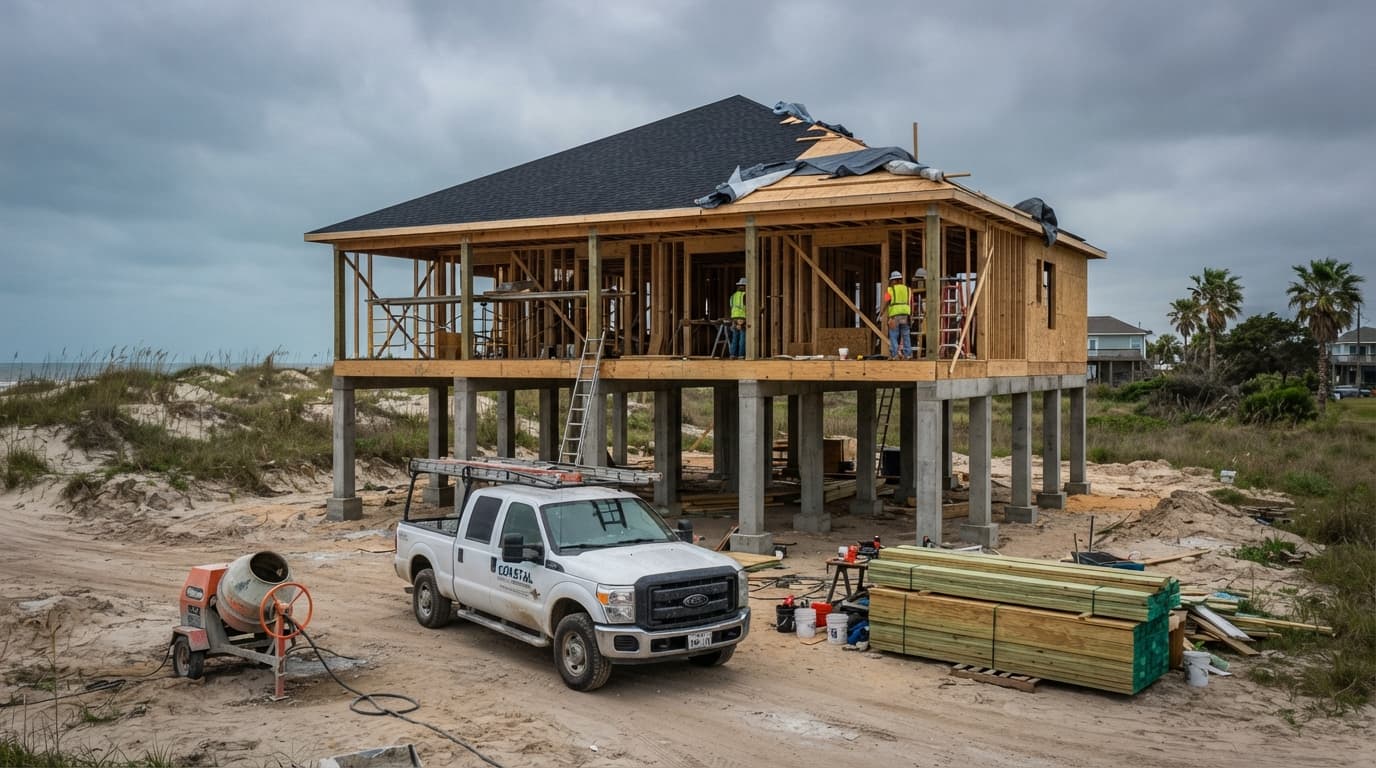
After a serious loss, the final rebuild number is shaped by more than lumber and shingles. Galveston homes may require elevated design work, stronger connectors, impact-rated features, updated electrical systems, and code-driven improvements that were not part of the original structure. Older homes near East End neighborhoods or historic areas can bring added complexity if replacement materials or workmanship must match existing features. Labor is another major variable. When storms affect the Gulf Coast, contractors often become booked across Galveston County, and prices can rise in League City, La Marque, and Hitchcock as demand spreads. A policy review should account for these real rebuilding conditions, not just a rough square-foot estimate from years ago.
How To Check Whether Your Dwelling Limit Is Realistic
A smart first step is reviewing the replacement cost estimate used for the policy and asking what assumptions went into it. Check the listed square footage, roof type, exterior materials, number of stories, foundation type, interior finish level, and any major upgrades made in recent years. In Galveston, details such as pilings, storm shutters, detached structures, porches, and specialty finishes can materially affect the rebuild number. Homeowners should also ask whether current local labor rates and code requirements were considered. If the estimate was created before a remodel, before recent inflation, or before changes in building standards, the dwelling limit may no longer be aligned with actual exposure.
Local Factors That Make Galveston Different
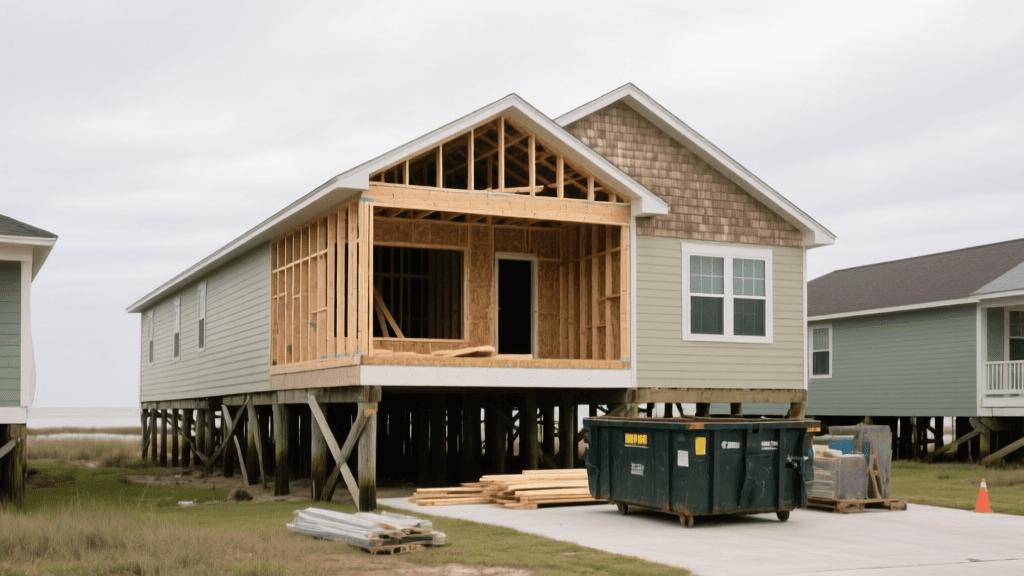
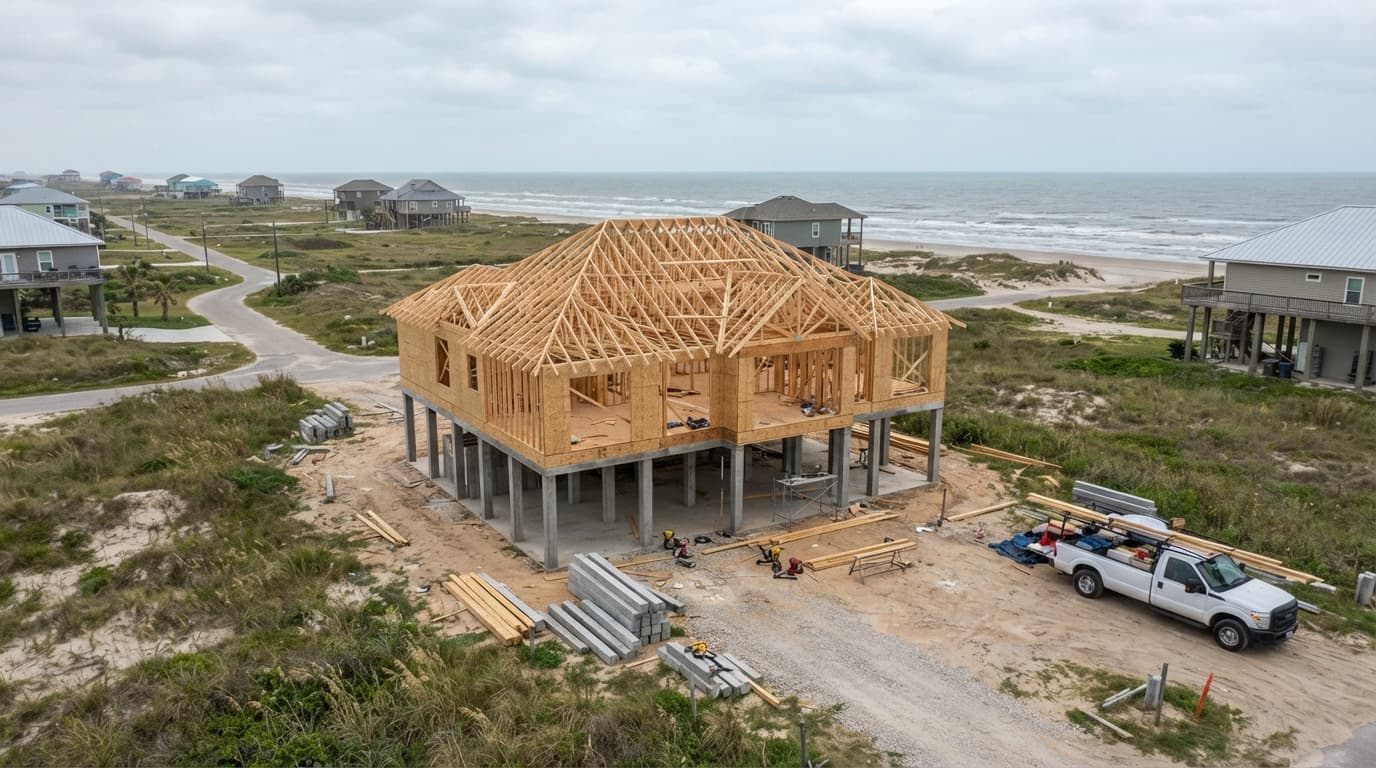
Galveston has risk factors that make insurance planning more location-specific than it would be in many inland communities. Salt air can shorten the lifespan of exterior materials. Wind exposure can affect roofing choices and fastening systems. Elevated homes, common in some areas, may cost more to reconstruct because the structure is more specialized from the ground up. Seasonal weather, tourism traffic, and island logistics can also affect contractor scheduling and material delivery times. Nearby communities such as Kemah, Bacliff, Friendswood, and Pearland may share some Gulf Coast pressures, but Galveston’s island setting and concentration of coastal housing stock make rebuild planning especially important for local homeowners.
What Homeowners Should Review Beyond the Dwelling Number
Dwelling coverage is central, but it should not be reviewed in isolation. Ordinance or law coverage can matter if repairs trigger code-required upgrades. Other structures coverage may need attention for detached garages, workshops, or fencing. Loss of use coverage becomes important if a long rebuild leaves the household displaced for months. Deductibles also deserve a close look, especially where wind-related losses may involve separate terms. For Galveston homes, it is wise to make sure policy details reflect how the property is actually built and used today. A strong review looks at the whole protection picture, because underinsurance problems often show up in several places at once.
Key Takeaways for Galveston Homeowners
Key Points
- Dwelling coverage should be based on rebuild cost, not purchase price or tax value.
- Galveston construction costs can be higher because of wind-resistant materials, island logistics, and specialized labor.
- Older homes, elevated homes, and houses with custom finishes often need more careful replacement cost analysis.
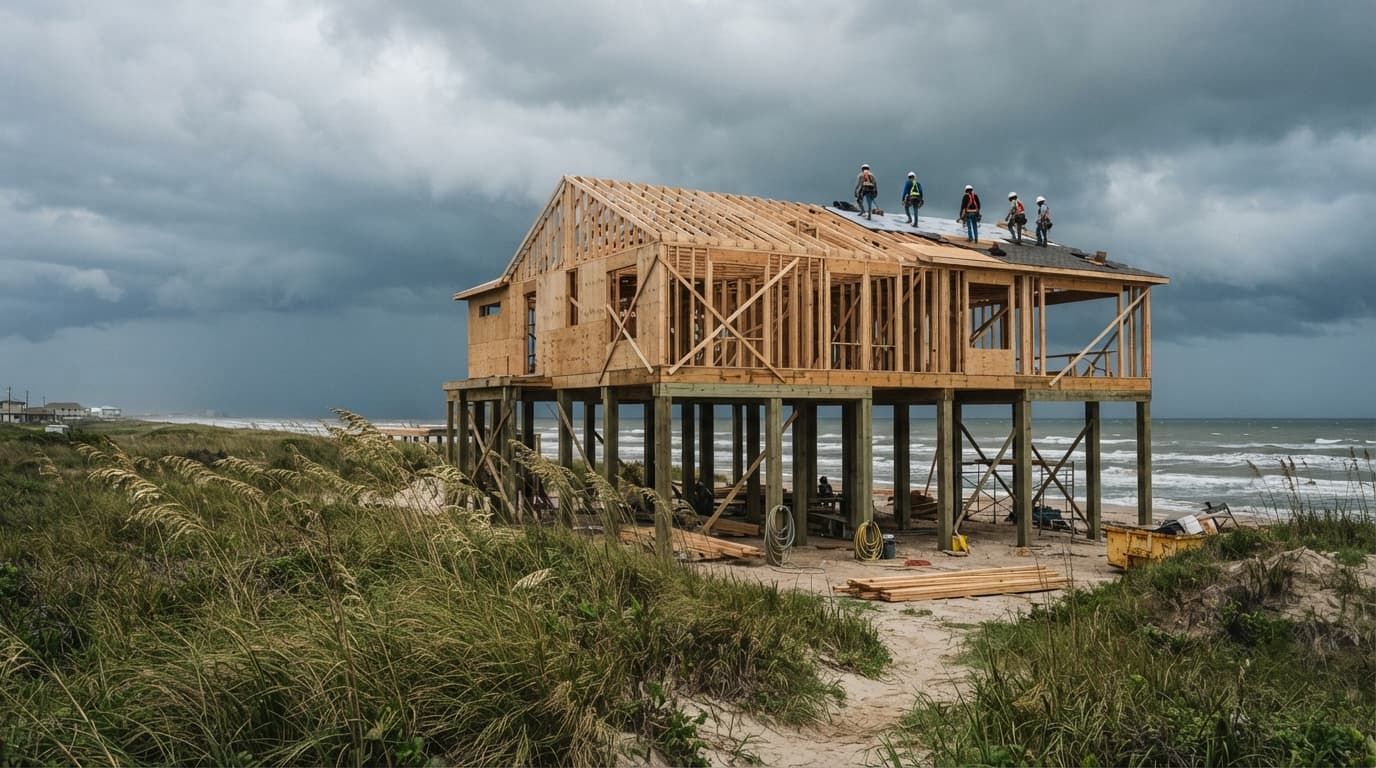
- Code upgrades, debris removal, and contractor demand after storms can increase the true cost of a claim.
- A replacement cost estimate should be updated after remodeling, major price inflation, or changes in building standards.
- Review related coverages such as ordinance or law, other structures, loss of use, and deductibles alongside the dwelling limit.

Next Steps Before the Next Storm Season
If there is one practical takeaway from this topic, it is to review dwelling coverage before a claim forces the issue. Gather recent remodeling information, note special construction features, and compare the policy estimate against current local building realities in Galveston. Ask clear questions about replacement cost assumptions, code upgrade exposure, and whether the home’s coastal characteristics were fully considered. It can also help to compare options from multiple carriers to see how limits, endorsements, and deductibles differ. For homeowners in Galveston and nearby areas such as Texas City, Alvin, and League City, a proactive review is often the best way to avoid a painful coverage shortfall later.