Why Dwelling Coverage Matters in Galveston
Dwelling coverage is the part of a home insurance policy that protects the house itself, including the roof, walls, attached garage, and built-in features like cabinets and plumbing. For homeowners in Galveston, that number is more than a line on a declaration page. It can determine whether a claim payment is enough to rebuild after a major storm, fire, or other covered loss. Because homes near the coast often face higher wind exposure, salt-air wear, and stricter building requirements during repairs, understanding dwelling coverage before a loss happens is one of the smartest steps a property owner can take.
What This Coverage Is Designed to Do
A simple way to think about dwelling coverage is that it insures the structure, not the land and not everything inside the house. If a covered event damages the home, this part of the policy helps pay to repair or rebuild the physical building up to the policy limit, subject to deductibles and policy terms. In Galveston, that can include damage from events such as fire, lightning, or certain wind-related losses, depending on the policy setup. It does not automatically mean every kind of damage is covered, and it does not mean the limit should match a home’s market value. Rebuilding cost and resale value are often very different.
What Counts as Part of the Dwelling
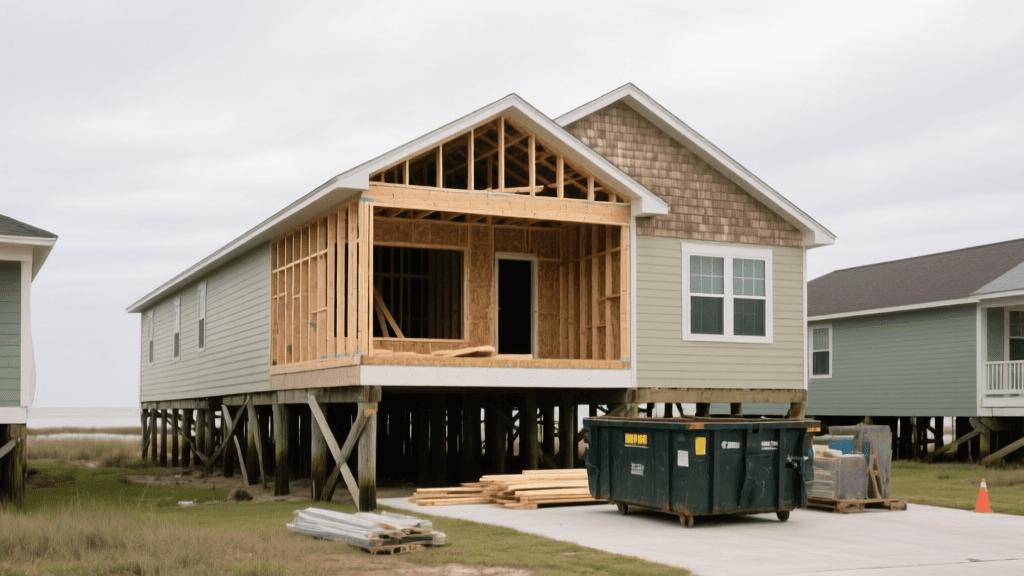
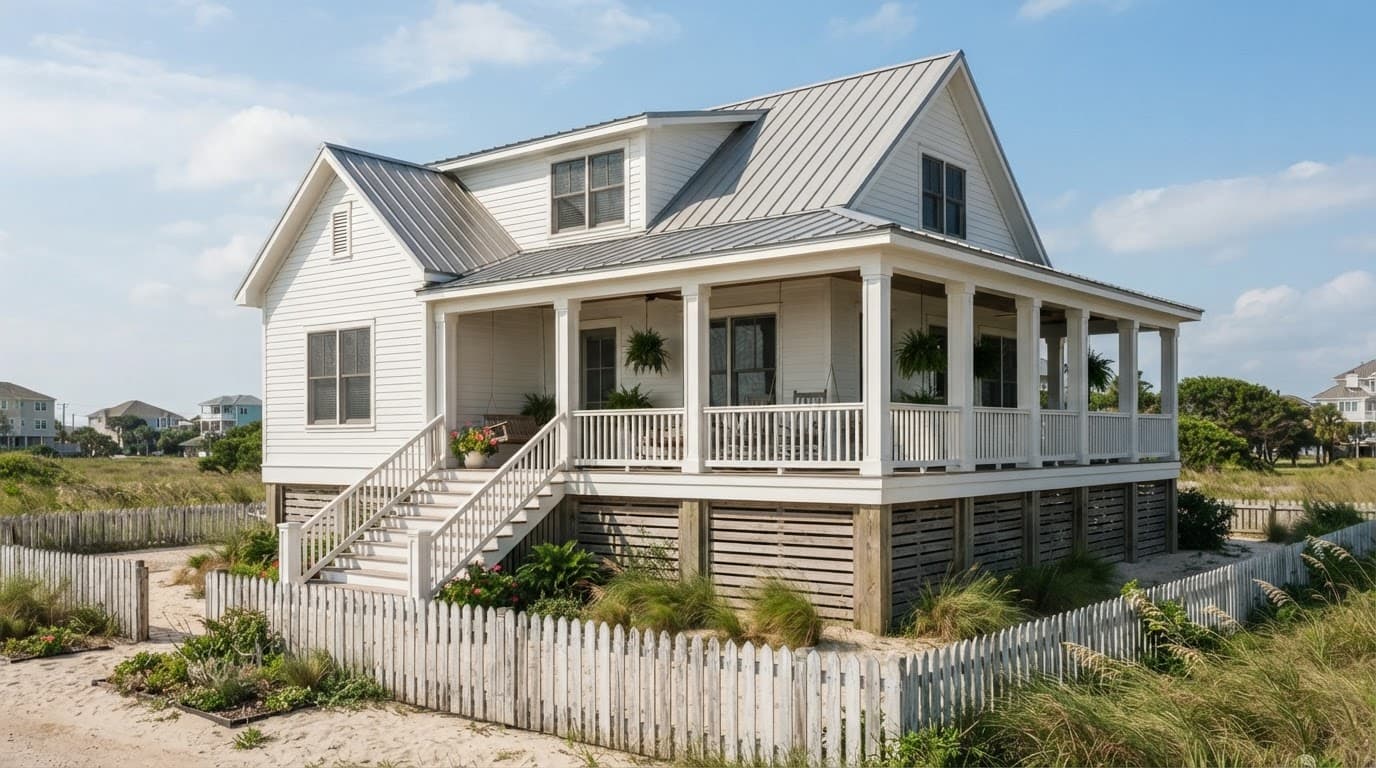
Many homeowners assume dwelling coverage only applies to the main living area, but it usually extends to attached structures and permanently installed features throughout the home. That often includes the foundation, roof decking, attached porches, built-in appliances, drywall, flooring, and systems like electrical wiring and HVAC. If a storm tears off part of a roof and water damages interior walls, those repairs may fall under dwelling coverage if the cause of loss is covered. In Galveston, where elevated homes, storm-resistant materials, and specialized construction are common, it is important to review how the policy defines the dwelling so there are no surprises after damage occurs.
Why Replacement Cost Matters More Than Market Value
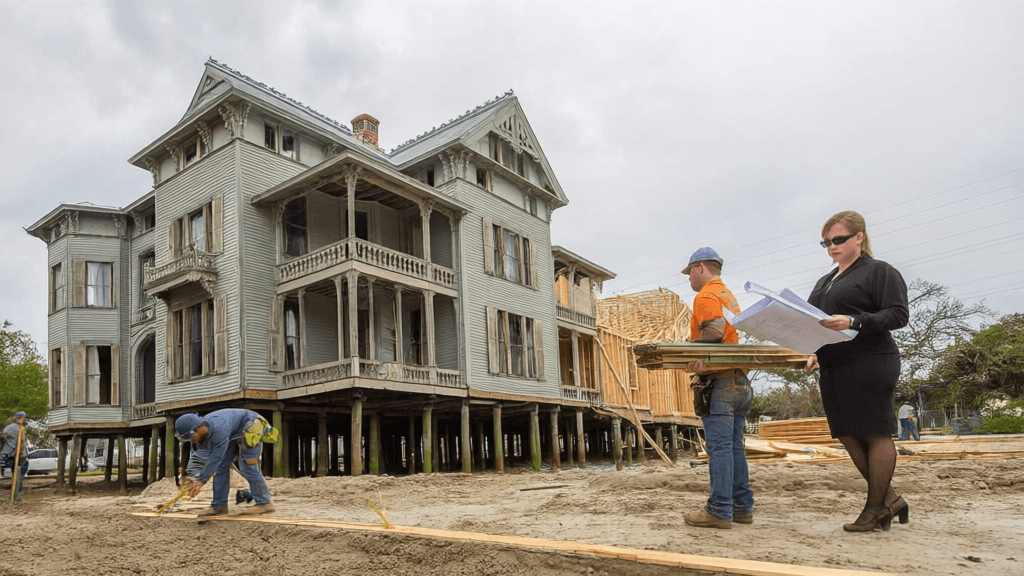
One of the biggest mistakes homeowners make is choosing a dwelling limit based on what they paid for the property or what a real estate website says it is worth. Insurance is usually built around reconstruction cost, meaning what it would cost to rebuild the home with similar materials and workmanship after a covered loss. In Galveston, rebuilding can cost more than expected because of labor demand after storms, local code upgrades, elevation needs, and transportation costs for materials. A modest older home may still need a high dwelling limit if it has unique construction details or if local contractors charge more during peak recovery periods.
How Deductibles Affect a Dwelling Claim
Even when a home has solid dwelling coverage, the deductible plays a major role in what a homeowner pays out of pocket. In coastal Texas, policies may have separate deductibles for wind or hurricane-related losses, and those deductibles are often calculated as a percentage rather than a flat dollar amount. That means a higher dwelling limit can also mean a larger windstorm deductible. For example, a 2 percent deductible on a $400,000 dwelling limit is very different from a standard $1,500 deductible for another type of covered loss. Homeowners in Galveston should review both the coverage limit and the deductible structure together, not as separate decisions.
Common Gaps Homeowners Overlook
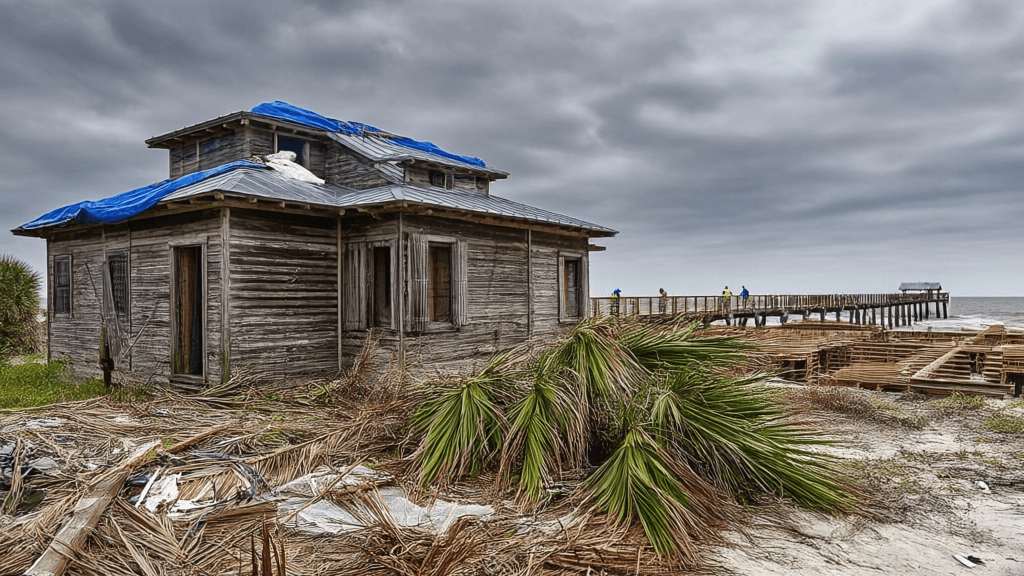
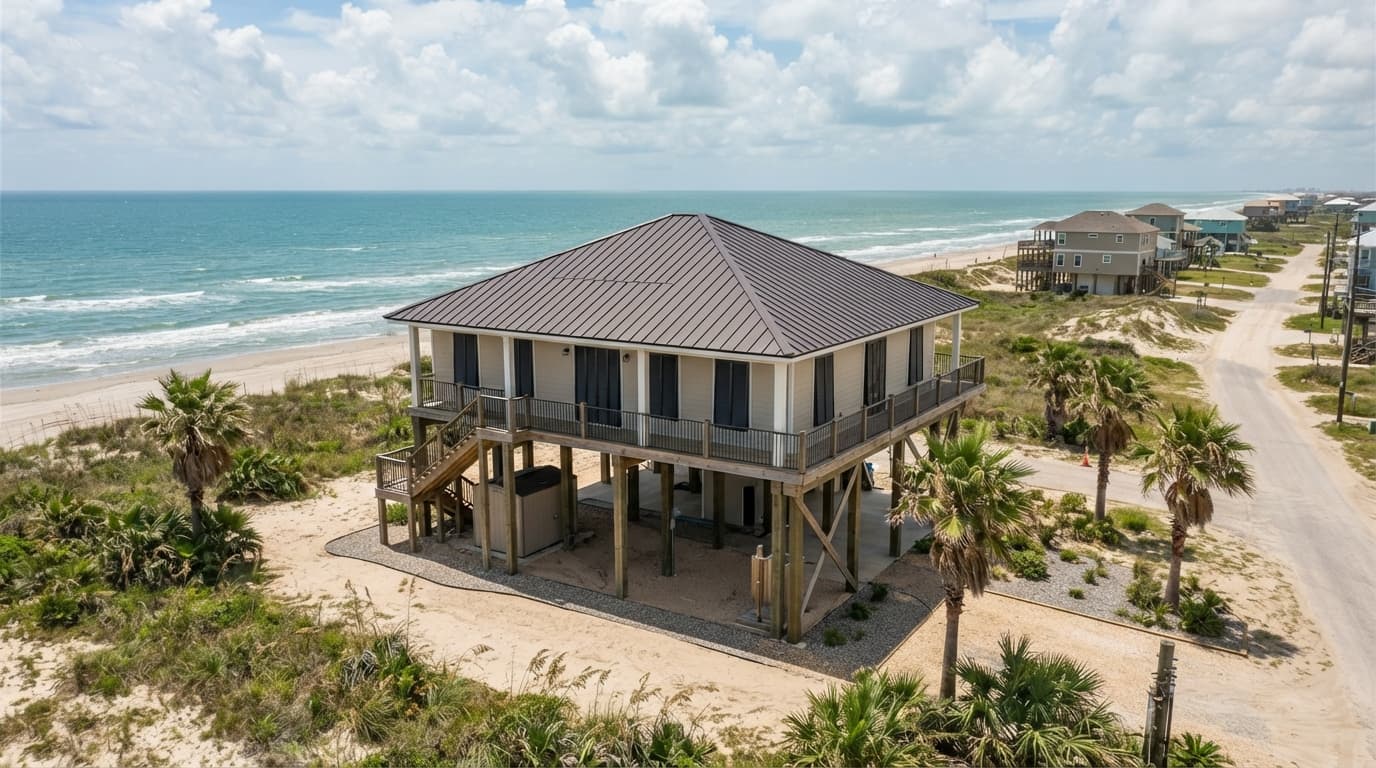
Dwelling coverage sounds straightforward, but several details can create gaps. Flood damage is the clearest example. A standard homeowners policy typically does not cover flood damage, which is a major issue in Galveston and nearby areas such as Texas City, Dickinson, and La Marque. Another common issue is assuming ordinances or code upgrades are fully covered when older homes may need more expensive repairs to meet current standards. Roof settlement, repeated seepage, maintenance issues, and wear from salt-heavy coastal air also may not be covered simply because the damage affects the structure. Reading exclusions and endorsements closely is just as important as choosing the limit itself.
How Coastal Conditions Change the Calculation
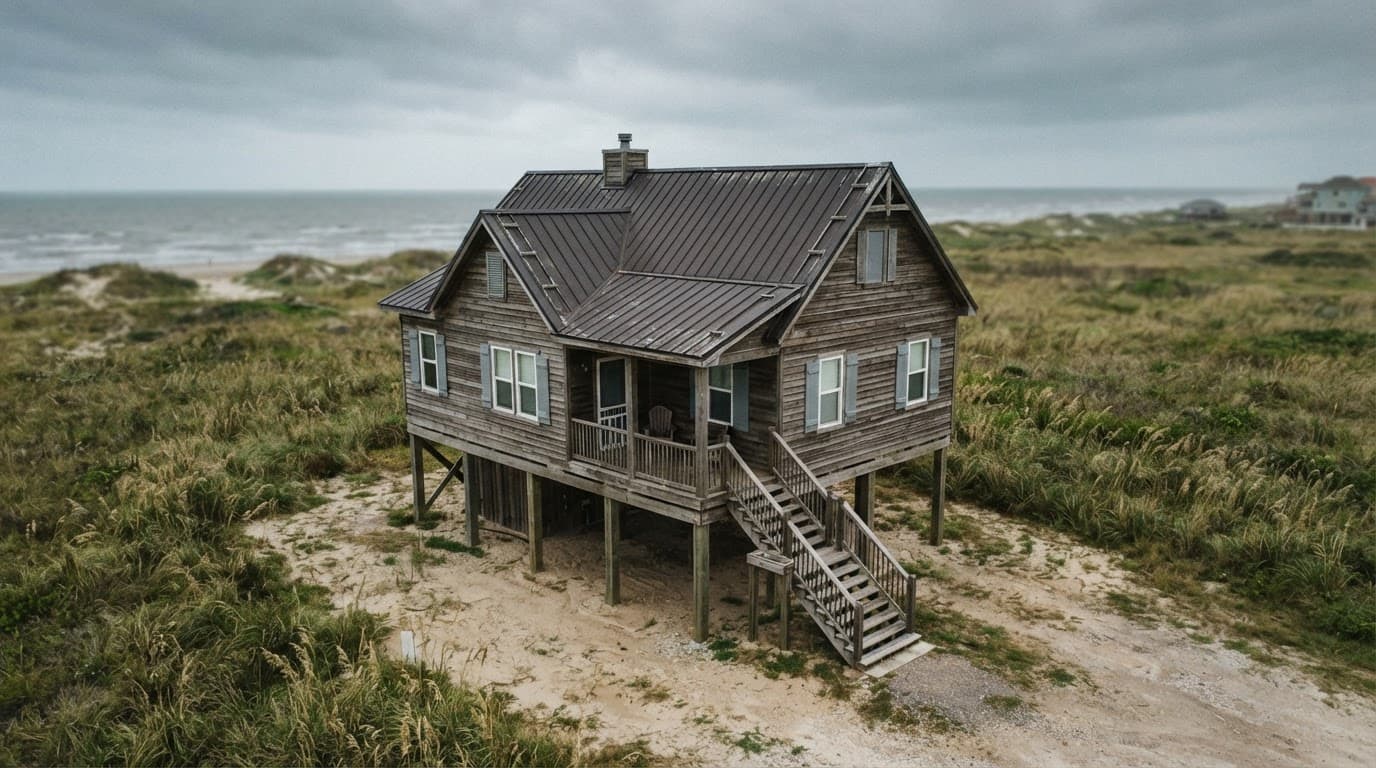
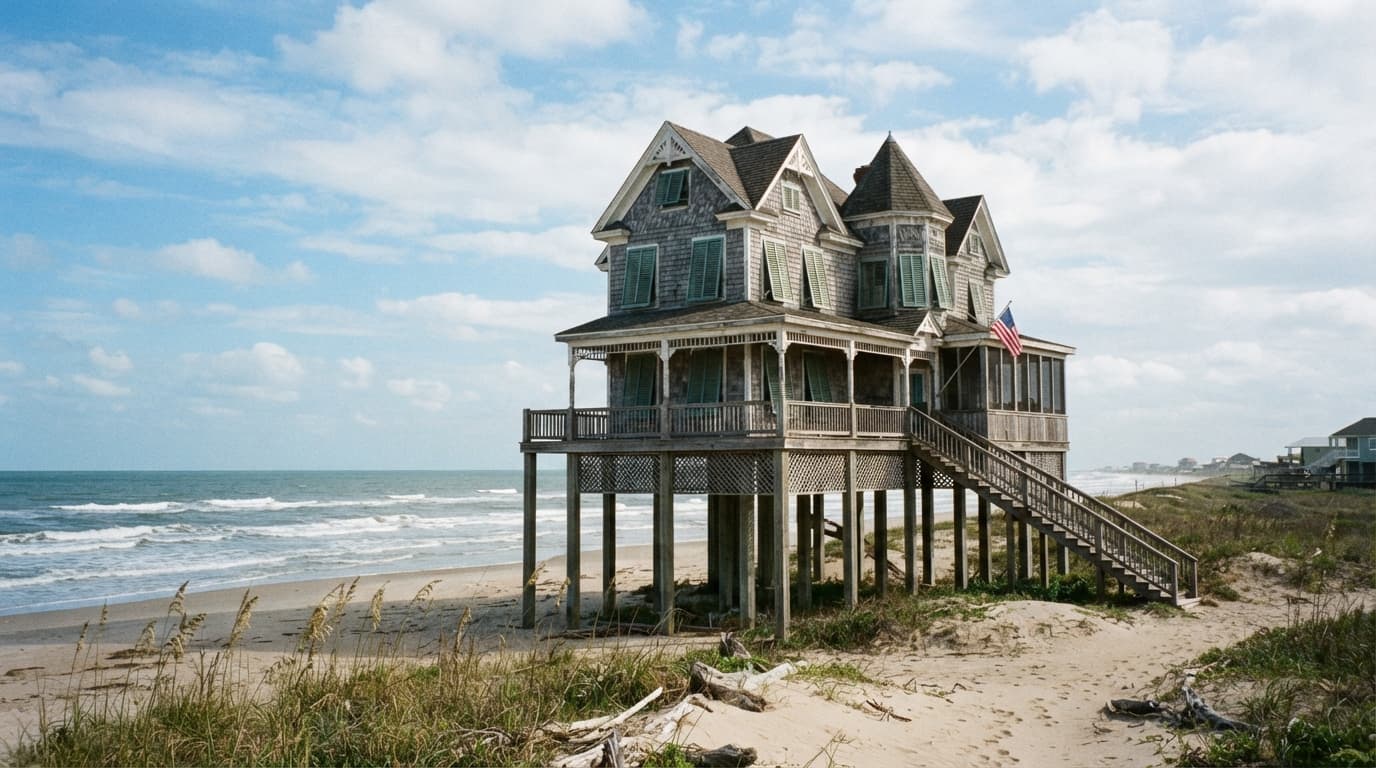
Galveston homeowners face conditions that can make dwelling coverage more complex than it is inland. Wind exposure from Gulf storms, corrosion from salt air, elevated foundation designs, and local rebuilding demand all influence replacement cost. Homes closer to the water or in neighborhoods with older coastal construction may require specialized estimates to reflect current materials and labor. Similar concerns can also affect nearby communities like Kemah, Bacliff, and League City, but Galveston often brings the sharpest coastal exposure into the conversation. That is why a policy review should focus on actual reconstruction details, not just square footage. Two homes of the same size can need very different dwelling limits.
Key Takeaways for Setting the Right Limit
Key Points
- Base the dwelling limit on estimated rebuild cost, not purchase price or tax value.
- Confirm what parts of the home are treated as part of the dwelling, especially attached structures and built-in systems.
- Review wind, hurricane, and named storm deductibles carefully because coastal deductibles can be much higher than standard deductibles.
- Ask whether extended or guaranteed replacement cost options are available if rebuilding costs spike after a regional storm.
- Check for separate flood protection because standard dwelling coverage usually does not insure flood losses in Galveston.
- Revisit coverage after renovations, roof upgrades, additions, or material cost increases affecting homes in Galveston, Hitchcock, Santa Fe, and surrounding areas.

What Galveston Homeowners Should Do Next
If the dwelling limit has not been reviewed recently, now is a good time to compare it against current rebuilding costs and the home’s actual construction features. Gather details such as square footage, roof type, updates to wiring or plumbing, elevation design, and any recent remodeling. Then compare policy options side by side, including deductible choices, windstorm provisions, ordinance coverage, and flood protection if needed. Homeowners in Galveston, Friendswood, Pearland, Alvin, and nearby areas can benefit from treating this as a financial planning decision rather than a once-a-year renewal task. A careful review today can prevent a painful shortfall after a major covered loss.