What Dwelling Coverage Means for Galveston Homeowners
Dwelling coverage is the part of a home insurance policy intended to insure the house’s physical structure, including covered attached components such as a built-in garage. Its limit is generally based on the estimated cost to repair or rebuild after a covered loss, not the home’s sale price, assessed value, or the value of the land. That distinction matters in Galveston, where a home’s location near the water can influence market value without directly describing the cost of its framing, roof, electrical systems, and finishes. A useful review starts with the structure itself and asks whether the policy limit could support a comparable rebuild under current local conditions.
Why Coastal Rebuilding Costs Need a Careful Estimate
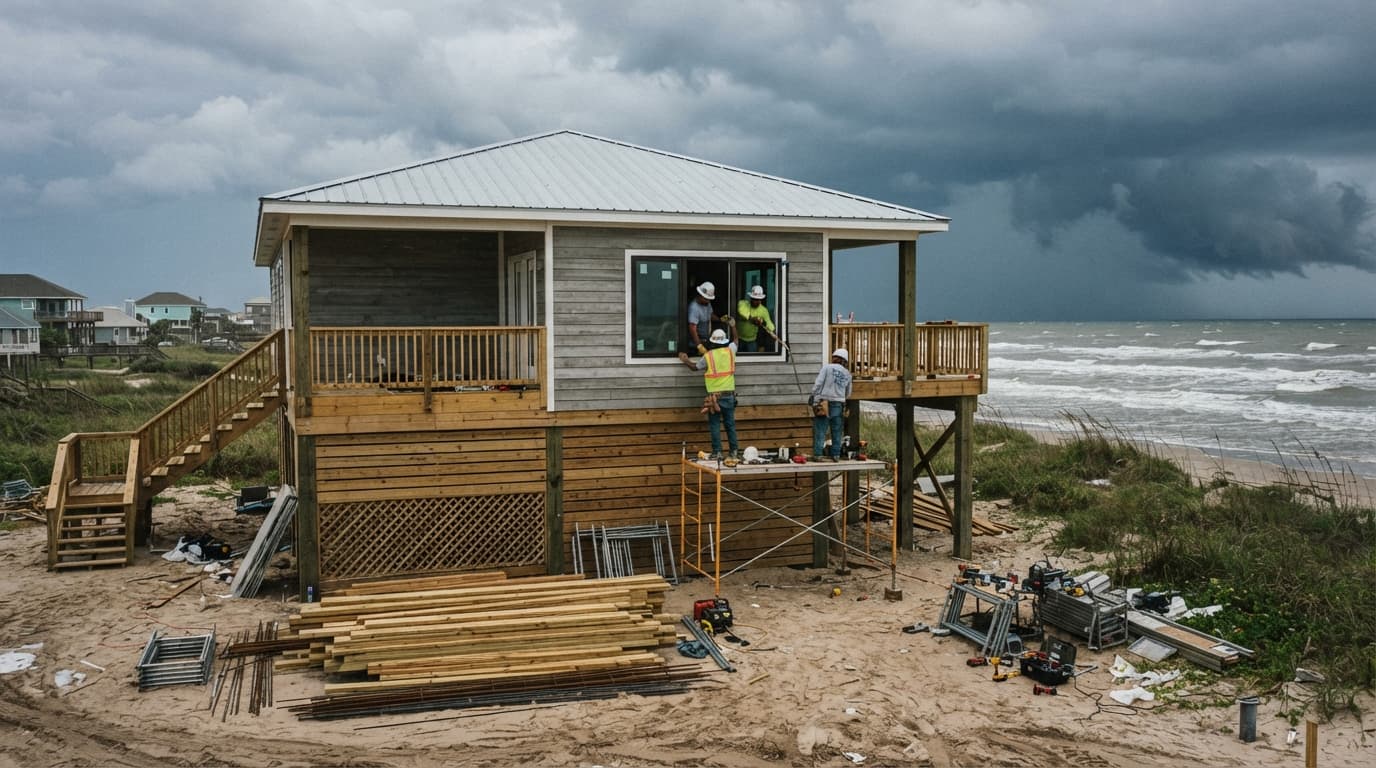
Reconstruction estimates can change with material prices, contractor availability, labor rates, access to the property, and the specifications required to replace the damaged home. Coastal construction may also involve elevated foundations, wind-resistant components, corrosion-conscious materials, or other features that are more costly than a basic inland comparison. After a severe storm, demand for roofers, electricians, and building crews can rise across Galveston and nearby communities, putting pressure on both timelines and prices. A general online estimate may miss these details. Ask how the dwelling limit was calculated, which home characteristics were included, and when the estimate was last updated.
Separate Rebuilding Cost From Market Value
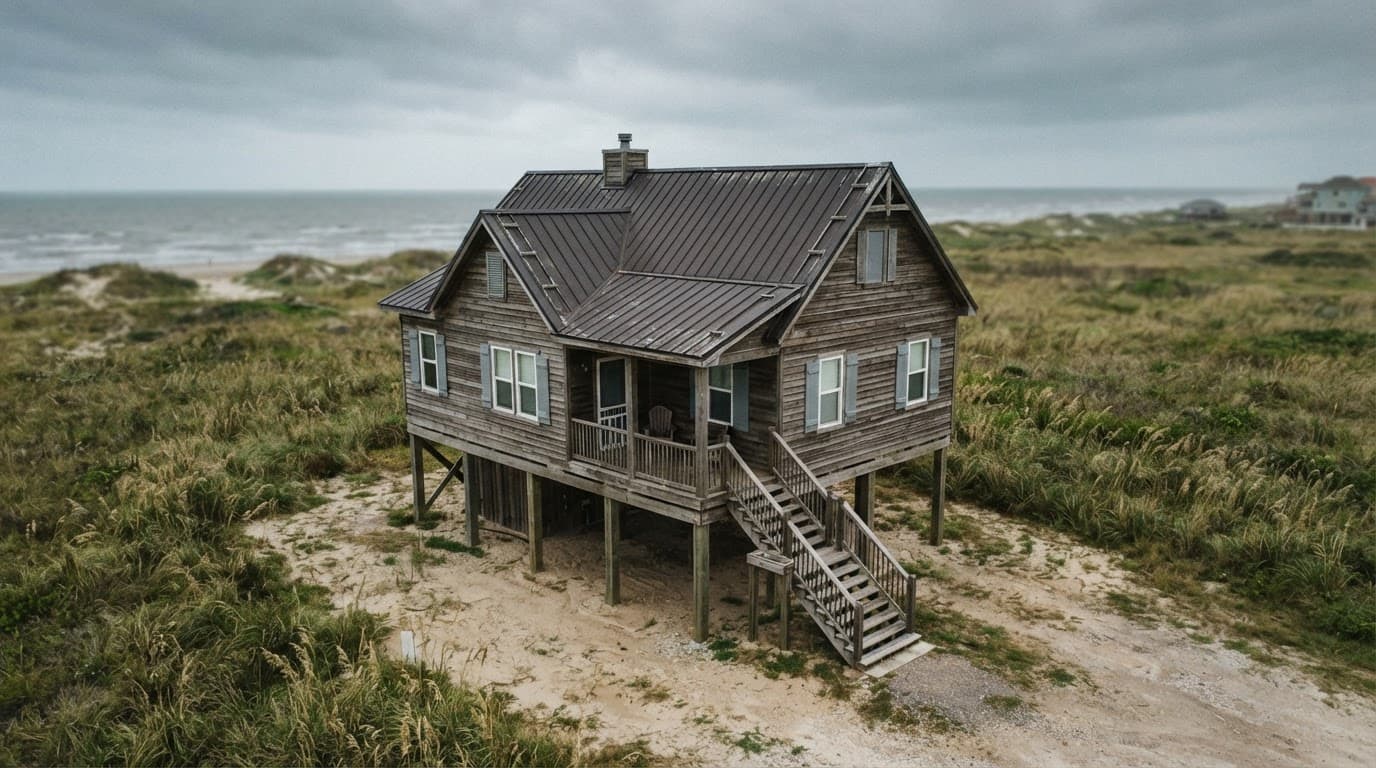
Market value reflects what a buyer might pay for the property, including location, lot, views, and demand. Rebuilding cost focuses on restoring the insured structure with materials and labor after a covered event. For example, two houses with similar sale prices may have very different construction costs if one has more square footage, custom finishes, complex rooflines, or an elevated design. Conversely, a valuable lot does not necessarily mean the house itself requires an equally high dwelling limit. Review the home’s square footage, number of stories, construction type, age, renovation history, and special features so the estimate is tied to the actual building rather than a real estate comparison.
Understand Windstorm Coverage and Deductibles
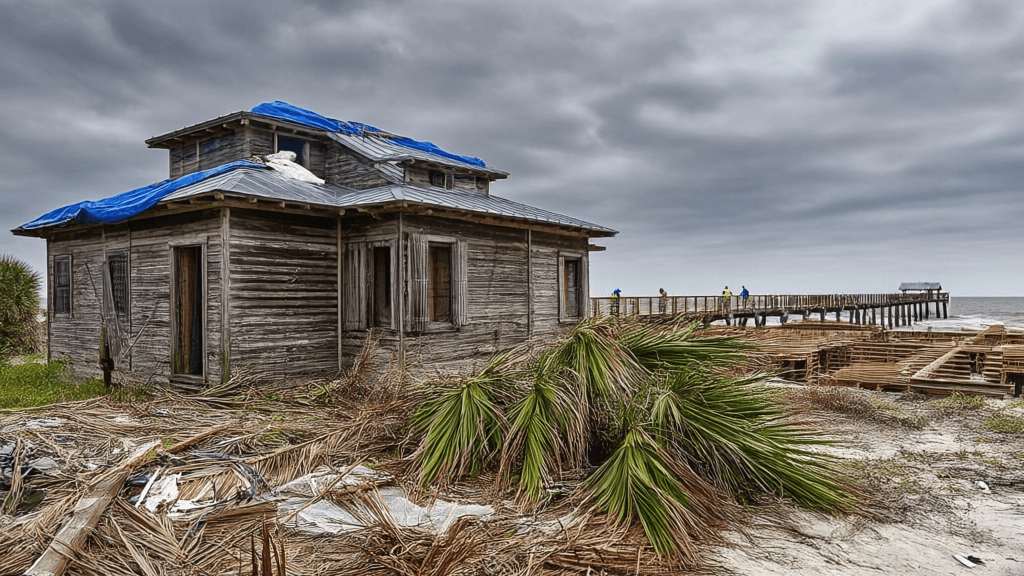
A home policy may treat windstorm or hurricane damage differently from other covered losses. The policy documents should identify whether wind damage is included, excluded, or handled through a separate policy or endorsement, and whether a distinct percentage deductible applies. A percentage deductible is commonly calculated from a stated coverage amount, so its dollar impact may be larger than a flat deductible. Do not assume that every storm-related loss has the same cause or coverage treatment: wind-driven rain, water entering through storm damage, and rising floodwater can be handled differently. Ask for a plain-language explanation of the applicable terms and confirm the deductible that would apply to the dwelling.
Check Roof Terms Before You Need Them
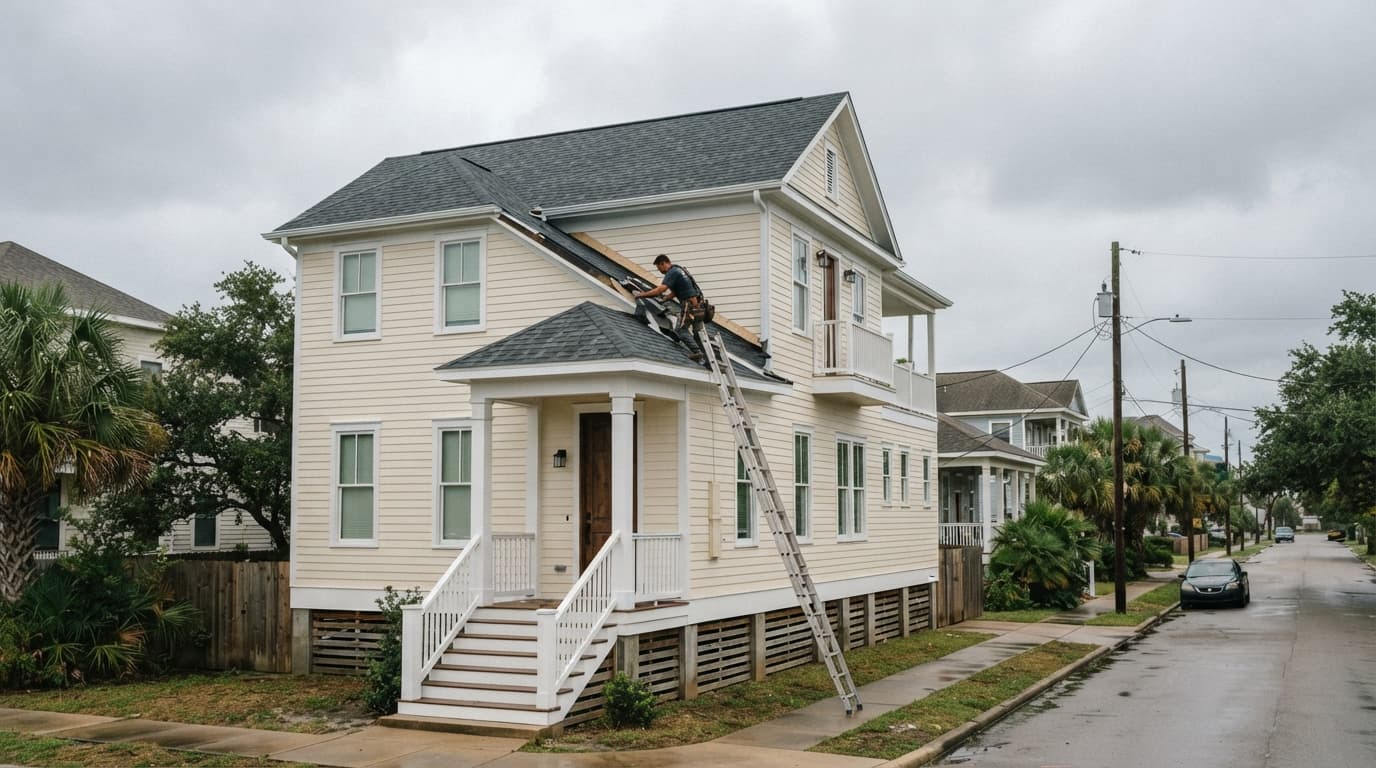
The roof is one of the home’s most exposed components, so its age, material, installation, and maintenance records can matter during underwriting and a claim. Review whether the policy settles roof damage on a replacement-cost or actual-cash-value basis, and look for any roof-specific limitations, exclusions, or payment schedules. Actual cash value generally accounts for depreciation, while replacement-cost terms may provide a different settlement subject to policy requirements and limits. Keep dated photographs, receipts, permits, and contractor records after repairs or replacement. If a roof has older materials or prior storm repairs, ask how those facts are reflected in the policy instead of relying on assumptions about coverage.
Review Limits, Extensions, and Building Features
The dwelling limit is not the only number worth checking. Ask whether the policy offers an extended or guaranteed replacement-cost feature, what conditions apply, and whether the amount is capped. Review ordinance or law coverage as well; rebuilding after a major loss may require updates to meet applicable building requirements, and standard dwelling coverage may not address every added expense in the same way. Confirm how attached structures, built-ins, and custom features are treated, and consider whether detached structures are insured under a separate limit. A kitchen renovation, new addition, upgraded windows, or structural work can change replacement needs, so report substantial improvements and request an updated estimate.
Local Considerations Around Galveston
Galveston’s coastal exposure makes it especially important to distinguish windstorm protection from flood insurance. A standard homeowners policy typically does not cover flood damage caused by rising water, so ask separately how flood protection may fit the property’s needs and whether the limits are adequate. Construction and access conditions can vary by neighborhood and by the home’s elevation, age, and design. A contractor’s estimate for one property may not translate neatly to another, even within the same area. Homeowners in Galveston and nearby Texas City, League City, Dickinson, and La Marque can use the same review questions, while accounting for each home’s specific construction, location, and applicable policy terms.
A Practical Dwelling Coverage Review
Key Items to Check
- Compare the dwelling limit with a current rebuild estimate based on the home’s square footage, construction type, roof, foundation, and finishes.
- Confirm whether windstorm damage is covered by the policy or another arrangement, and identify the exact deductible that could apply.
- Ask whether roof losses are settled at replacement cost or actual cash value and review any roof-specific limitations.
- Check ordinance or law coverage, replacement-cost extensions, and limits for attached and detached structures.
- Update the insurer or coverage representative after additions, major renovations, roof replacement, or structural improvements.
- Store policy documents, photographs, permits, receipts, and repair records somewhere accessible if the home becomes difficult to enter.

What to Do Before the Next Renewal
Before renewal, gather the declarations page, full policy wording, roof records, and a list of renovations or special construction features. Ask for the assumptions behind the dwelling estimate and whether local labor and material costs have been refreshed. Then compare the windstorm terms, deductibles, roof settlement provisions, and any replacement-cost or code-upgrade features—not just the premium. If a term is unclear, request a written explanation and examples of how it could apply to a covered claim. A careful review does not guarantee that every rebuilding expense will be paid, but it can reveal mismatches while there is still time to ask questions and consider available options.
Review Your Galveston Dwelling Coverage
Compare your current limit and windstorm terms with your home’s construction details, rebuilding estimate, and roof documentation.
Get a Free Quote