What Dwelling Coverage Means for Galveston Homeowners
Dwelling coverage is the part of a homeowners policy that protects the physical house itself. If a covered event damages the structure, this coverage can help pay to repair or rebuild it up to the policy limit. For homeowners in Galveston, that question matters more than it might inland because wind, salt air, heavy rain, and storm-driven damage can all affect a property differently. In simple terms, dwelling coverage usually applies to the main building and many attached parts of it, but the exact details depend on the policy wording. Understanding what is included before a claim happens can prevent expensive surprises when repair costs rise quickly after a major storm.
Why This Topic Matters on the Texas Coast
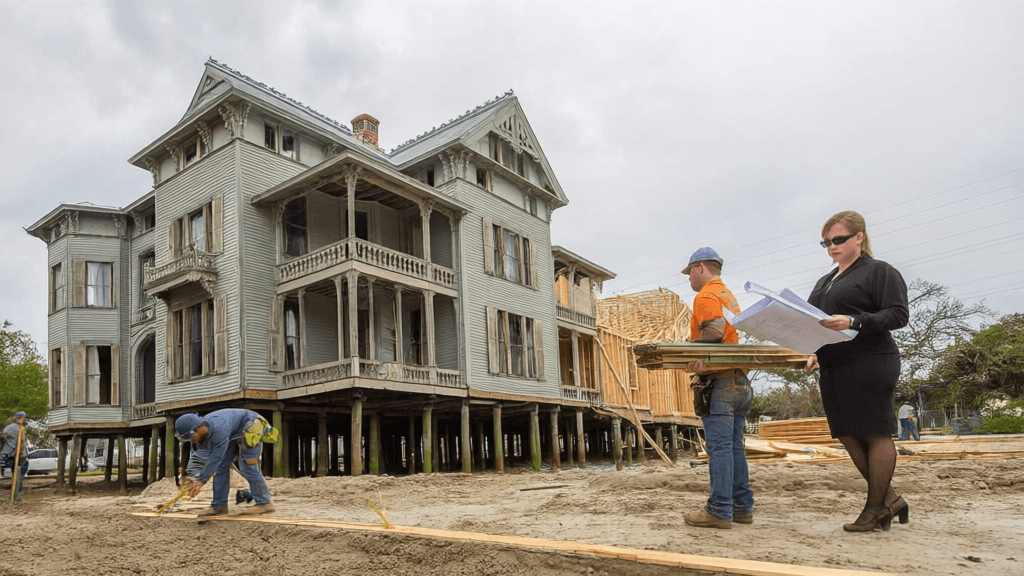
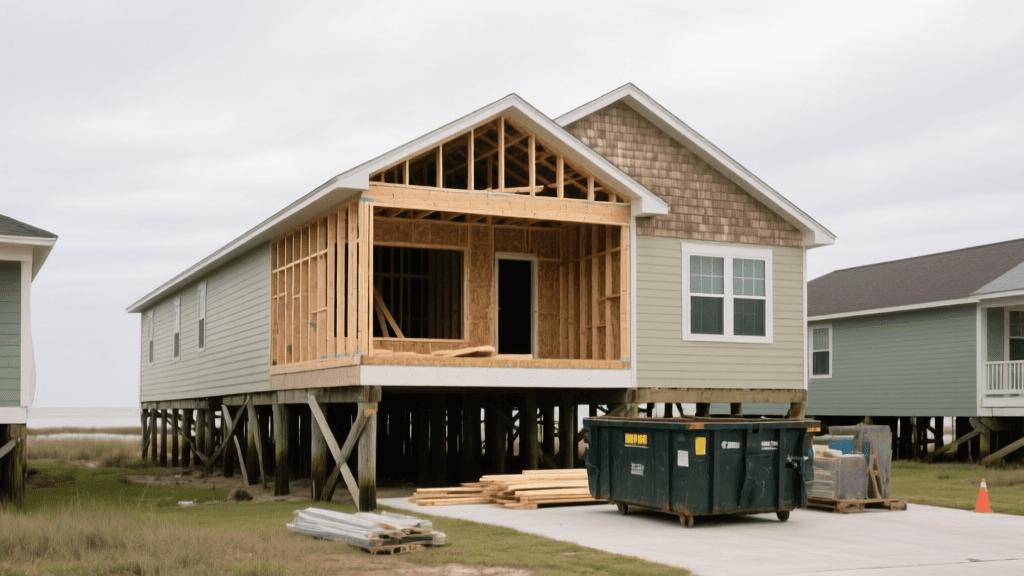
Along the Gulf Coast, rebuilding a home can cost much more than many owners expect. Labor shortages after severe weather, higher material prices, code upgrades, and contractor demand can all raise the final bill. In Galveston, older homes, elevated foundations, and coastal construction methods can make repair estimates even more complicated. That is why dwelling coverage is not just a box to check on a declaration page. It is one of the most important numbers on the policy. A home that looks modest from the street may still require specialized materials, roof work, or flood-resistant design features that increase replacement cost. Reviewing what the policy treats as part of the dwelling helps owners make smarter decisions about limits and endorsements.
What Is Usually Included Under Dwelling Coverage
Most home policies define dwelling coverage to include the main residence and structures attached to it. That often means the walls, roof, foundation, attached garage, built-in cabinets, plumbing systems, electrical wiring, and HVAC equipment are considered part of the covered structure. If a kitchen fire damages custom cabinets and built-in countertops, those items are typically treated as part of the dwelling rather than personal belongings. The same goes for permanently installed flooring and fixtures such as sinks, tubs, and toilets. In many cases, a deck attached to the house or an attached porch is also included. The easiest way to think about it is this: if it is permanently attached and would normally stay with the home if the property were sold, it is often part of dwelling coverage.
What Is Often Not Included in That Coverage
A common mistake is assuming dwelling coverage protects every structure on the property and every kind of damage. It usually does not. Detached garages, sheds, fences, and gazebos are often handled under other structures coverage instead of dwelling coverage. Personal property such as furniture, clothing, electronics, and freestanding appliances is usually covered under a separate part of the policy. Just as important, dwelling coverage only responds to covered causes of loss. Wear and tear, neglect, pest damage, and many flood-related losses are generally excluded. In coastal Texas, flood damage is a major area of confusion because many homeowners assume storm water is included when it often requires separate flood insurance. Reading the exclusions section is just as important as reading the coverage summary.
How Covered Perils Affect the Structure
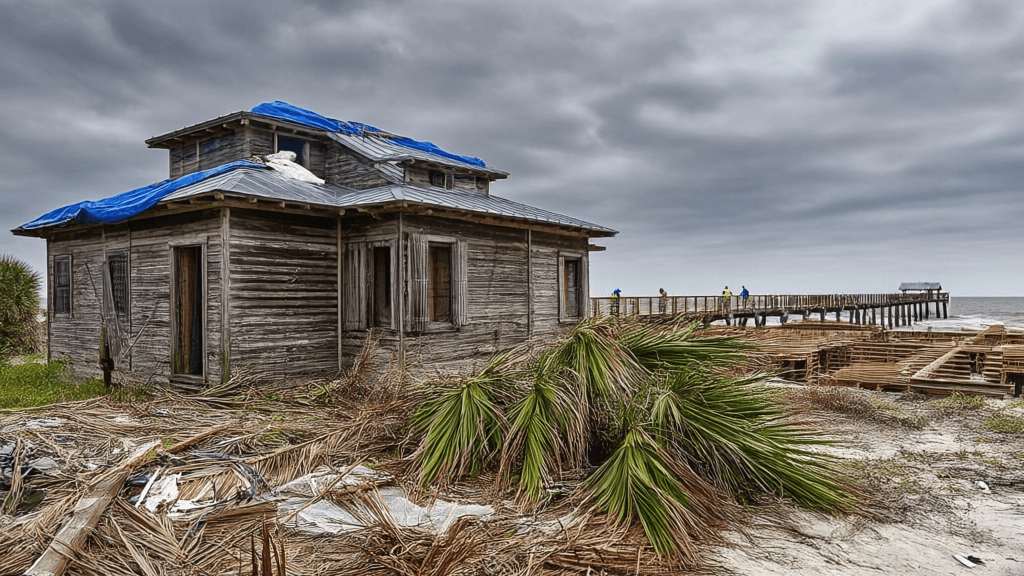
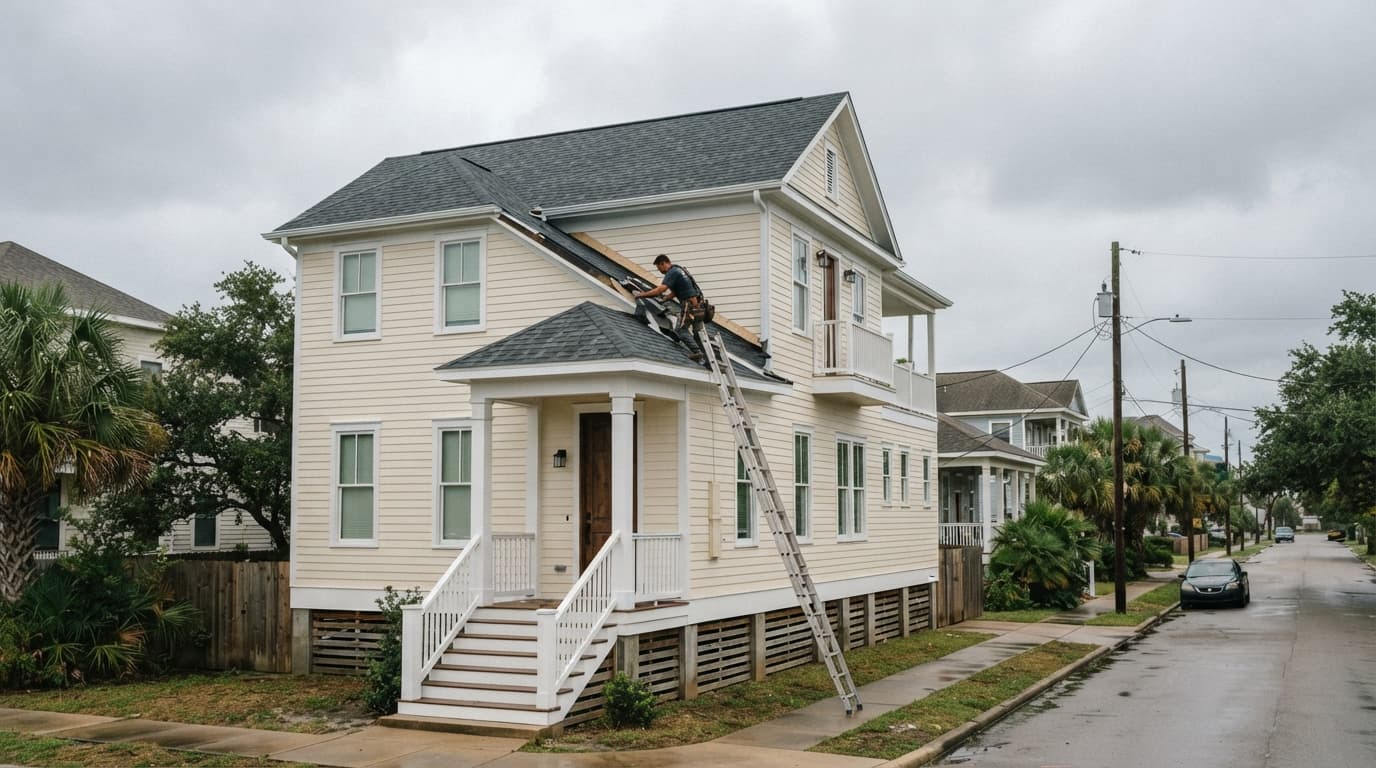
Dwelling coverage does not pay for every type of structural problem; it pays when a listed or covered peril causes the damage. Depending on the policy form, that can include fire, smoke, lightning, hail, vandalism, theft-related damage, or certain wind events. For example, if a windstorm in Galveston tears shingles off the roof and rain enters through the opening, the roof and resulting interior structural damage may be covered if wind is not excluded and the claim meets policy terms. By contrast, if the roof leaks because it is old and deteriorated, the damage may be denied as maintenance-related. That difference is important because claims often turn on the cause of loss, not just the fact that the house is damaged.
Replacement Cost, Actual Cash Value, and Policy Limits
When homeowners ask what is included in dwelling coverage, they should also ask how the payout is calculated. Replacement cost coverage is designed to pay the cost to repair or rebuild with similar materials, subject to the policy limit and terms. Actual cash value usually subtracts depreciation, which can leave a larger out-of-pocket gap. In a city like Galveston, where weather exposure and specialized construction can increase repair costs, the dwelling limit needs close attention. A policy limit based on outdated numbers may not keep up with real rebuilding expenses. Homeowners should review whether the policy includes extended replacement cost, ordinance or law coverage for code updates, and enough dwelling protection to reflect current local construction conditions.
Galveston-Specific Issues That Can Change the Answer
Local conditions in Galveston can make dwelling coverage questions more complicated than they are in other parts of Texas. Coastal wind exposure, elevated homes, historic neighborhoods, and stricter rebuilding requirements can all affect what it takes to restore a property after a loss. A raised home near the water may have structural components and access costs that are different from a standard suburban property in League City or Pearland. Older homes may also need upgrades to meet current building standards after major damage. Even details like roof shape, siding materials, and proximity to storm surge zones can influence both coverage options and pricing. That is why homeowners in Galveston, Texas City, and Dickinson benefit from reviewing coverage with local rebuilding realities in mind instead of relying on a generic estimate.
How to Review Your Policy Without Missing Key Details
Key Takeaways
- Check whether the policy defines the dwelling to include attached garages, porches, decks, built-in appliances, and permanently installed fixtures.
- Confirm the causes of loss that apply to the structure, especially wind, hail, water damage, and any exclusions that are common for coastal properties.
- Compare the dwelling limit to current rebuilding costs in Galveston rather than the home's market value or purchase price.
- Review ordinance or law coverage, since code upgrades can add major costs after a partial or total loss.
- Make sure detached structures, personal belongings, and flood exposures are addressed under the correct coverage parts instead of assuming dwelling coverage handles them.

Next Steps Before You Compare Home Insurance Options
Before requesting quotes, make a simple checklist of the structural details that affect your home: square footage, roof age, foundation type, attached features, updates to plumbing or electrical systems, and any elevation or coastal construction characteristics. Then compare how different policies define dwelling coverage, what perils are covered, and whether the limit appears realistic for rebuilding in Galveston. Homeowners in nearby areas such as La Marque, Santa Fe, Hitchcock, Kemah, Friendswood, and Alvin may also want to compare how proximity to the coast changes coverage terms. A good next step is to review the declarations page and exclusions together so you can ask sharper questions and avoid assuming the structure is protected for losses the policy does not actually cover.