Start With a Galveston Windstorm Walk-Through
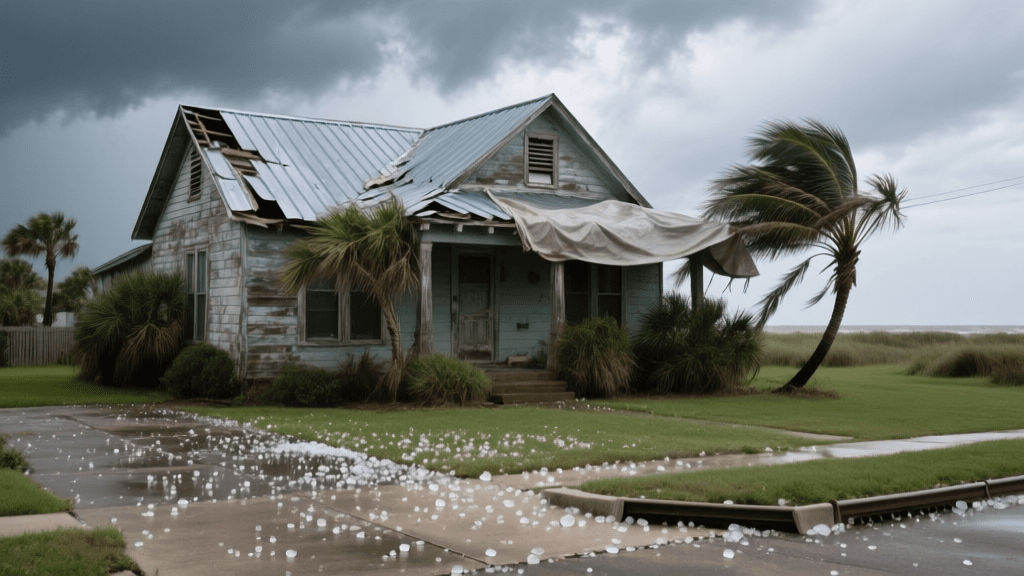
A windstorm preparation checklist is most useful before a storm is in the forecast, when there is time to inspect carefully and arrange repairs. In Galveston, wind, wind-driven rain, salt air, and occasional flooding can affect different parts of a home at once. Walk around the property and note loose roofing, damaged screens, unsecured furniture, and branches that could strike the house. Take a second look at garages, sheds, and covered patios, which are easy to overlook. This guide separates practical loss-prevention steps from insurance promises: maintenance can reduce vulnerabilities, but it cannot guarantee that damage will be prevented or that a future claim will be covered.
Why Coastal Preparation Matters
Galveston homes face coastal weather conditions that make routine upkeep especially important. Salt-laden air can accelerate corrosion on exposed fasteners and metal components, while strong gusts may exploit small weaknesses around roof edges, vents, windows, and doors. A minor loose shingle or deteriorated seal can become more consequential when rain is driven sideways. Preparation is also a timing issue: once watches or warnings are issued, contractors and supplies may be difficult to obtain, and outdoor work can become unsafe. Check your home through the year, then use an approaching storm as a prompt to complete safe, simple tasks rather than attempting risky repairs in high winds.
Inspect the Roof and Its Vulnerable Edges
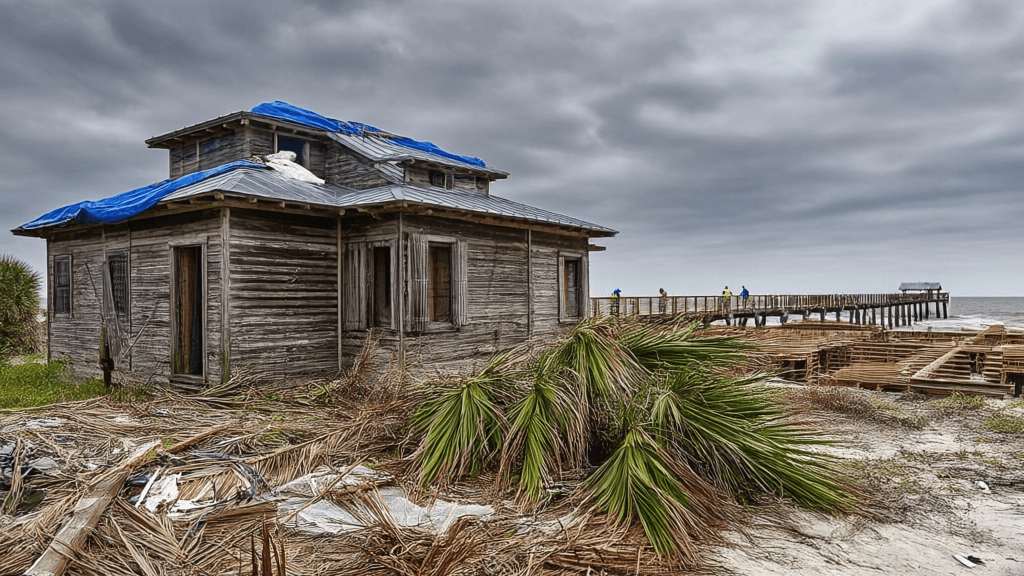
From the ground, look for missing, lifted, curled, or visibly damaged roofing materials, as well as sagging gutters, loose flashing, and branches touching the roof. Pay attention to edges, ridges, roof-to-wall connections, and areas around vents or chimneys, where wind and rain can find openings. Do not climb onto a roof to inspect it, especially when surfaces are wet or wind is rising. If anything looks questionable, arrange an evaluation by a qualified roofing professional well before storm season. Keep invoices, inspection notes, and photos of completed work. Repairs and upgrades may improve resilience, but whether they affect an insurance policy or claim depends on the policy terms and circumstances.
Check Windows, Doors, and Other Openings
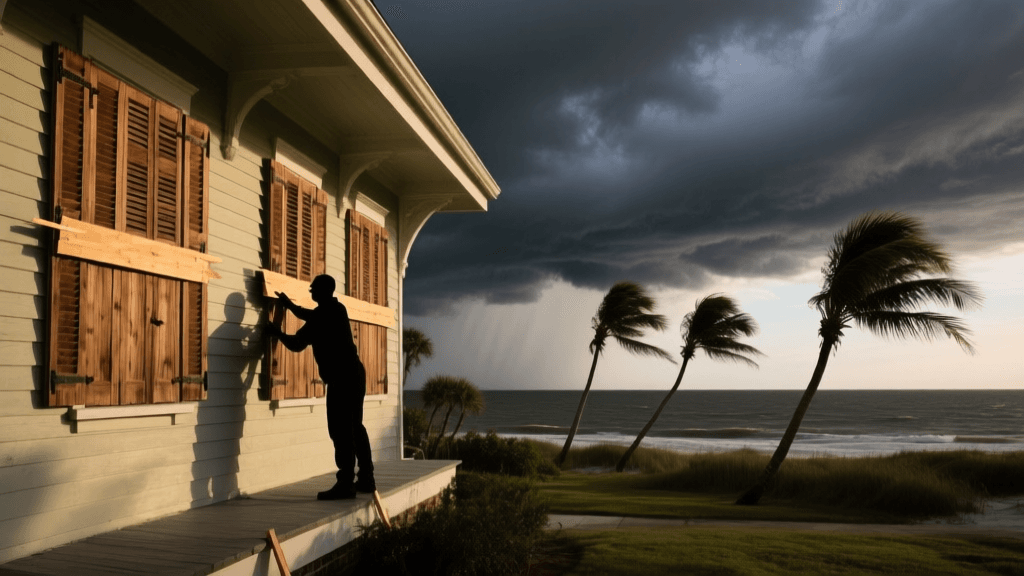
Inspect window glass, frames, exterior doors, garage doors, and weather seals for visible damage or gaps. Confirm that shutters or other protective systems are present, fit correctly, and can be installed safely; do not wait until severe weather is near to discover missing hardware. A garage door deserves particular attention because a large opening can be vulnerable to wind pressure. Have damaged components assessed and follow manufacturer guidance for any protection system. If you plan upgrades, ask a qualified contractor about products suited to the home and local conditions. Do not assume that shutters, impact-rated windows, or a particular repair will automatically change coverage, deductibles, or claim outcomes; verify policy details directly.
Secure Outdoor Property and Clear Hazards
Before forecast winds arrive, bring in or firmly secure patio chairs, grills, planters, umbrellas, toys, and lightweight decorations. Store items in a garage or enclosed shed when possible, and make sure shed doors latch securely. Clear drains and gutters of leaves if this can be done safely, and arrange routine trimming for dead or overhanging branches well in advance. Do not attempt tree work near power lines or use ladders when wind or rain is present. Check that trash and recycling containers can be stored securely, too. These steps reduce loose objects that could become airborne or block drainage, but they cannot prevent every type of damage from wind, rain, surge, or flooding.
Make a Home Inventory and Keep Records
Create a current record of your home and belongings before storm season. Photograph or video each room, opening drawers and closets where practical, and capture model numbers or receipts for valuable electronics, appliances, tools, and furnishings. Save copies of the home inventory, renovation records, roof invoices, and insurance documents in a secure digital location that is accessible if you cannot return home. Keep a separate copy of essential contact information and note where original documents are stored. Record the date of photos and avoid discarding damaged property after an event until you have documented it and followed the insurer’s instructions. Good records can make it easier to describe what existed before a loss, but they do not determine whether a claim is covered.
Galveston-Specific Planning Before a Storm
In Galveston, wind preparation should sit alongside a broader coastal emergency plan. Review local emergency alerts and evacuation guidance, identify where household members will go, and plan for pets, medications, and mobility needs. If you live near the waterfront or in a low-lying area, consider how evacuation timing and road conditions could affect your plans; never wait for water to rise before deciding whether to leave. Residents in Texas City, League City, Dickinson, La Marque, and nearby communities may face different routes and local conditions, so follow guidance issued for your location. Ask your insurance professional to explain windstorm and hurricane deductibles, exclusions, and any separate flood coverage that may apply to your situation.
A Short Checklist to Complete Ahead of Time
Practical Preparation Priorities
- Inspect roof edges, gutters, flashing, and visible roofing from the ground, then schedule professional evaluation for concerns.
- Test or review shutters and other opening-protection equipment early, following manufacturer directions and safe installation practices.
- Bring patio furniture, grills, planters, and other loose objects indoors or secure them before winds increase.
- Photograph rooms and belongings, and store inventory records, repair receipts, and policy information in a secure accessible location.
- Review evacuation plans and ask questions about deductibles, exclusions, windstorm terms, and flood coverage before an emergency.

What Preparation Can—and Cannot—Promise
Mitigation means taking reasonable steps to reduce a home’s exposure to damage, such as maintaining the roof, protecting openings, and moving loose property. It is not a guarantee that a building will withstand a severe storm. Insurance coverage is governed by the specific policy, endorsements, exclusions, conditions, and facts of a loss. Wind, water intrusion, storm surge, and flooding may be treated differently, and deductibles can vary by policy. Read the current documents rather than relying on assumptions or another homeowner’s experience. If a term is unclear, ask for an explanation in writing and confirm whether any protective feature or renovation changes the policy. Preparation improves readiness; only the policy and applicable claim review clarify coverage.
Choose Your Next Steps Before the Forecast Changes
Set aside time now to complete a ground-level inspection, photograph the home, secure outdoor items, and address maintenance concerns while conditions are calm. Make a list of questions about windstorm deductibles, hurricane provisions, water exclusions, and flood insurance, then review the policy declarations and full contract with a qualified insurance professional. If repairs are needed, use qualified contractors and keep written estimates, receipts, and records of completed work. Galveston residents should also monitor official local emergency information and follow evacuation orders when issued. A prepared household has clearer records, a safer plan, and fewer last-minute tasks, even though no checklist can eliminate storm risk or guarantee an insurance result.
Review Your Home and Coverage Before Storm Season
Compare your preparation checklist with your current policy and ask a qualified professional about any coverage questions.
Get a Free Quote