Why These Coverage Differences Matter in Galveston
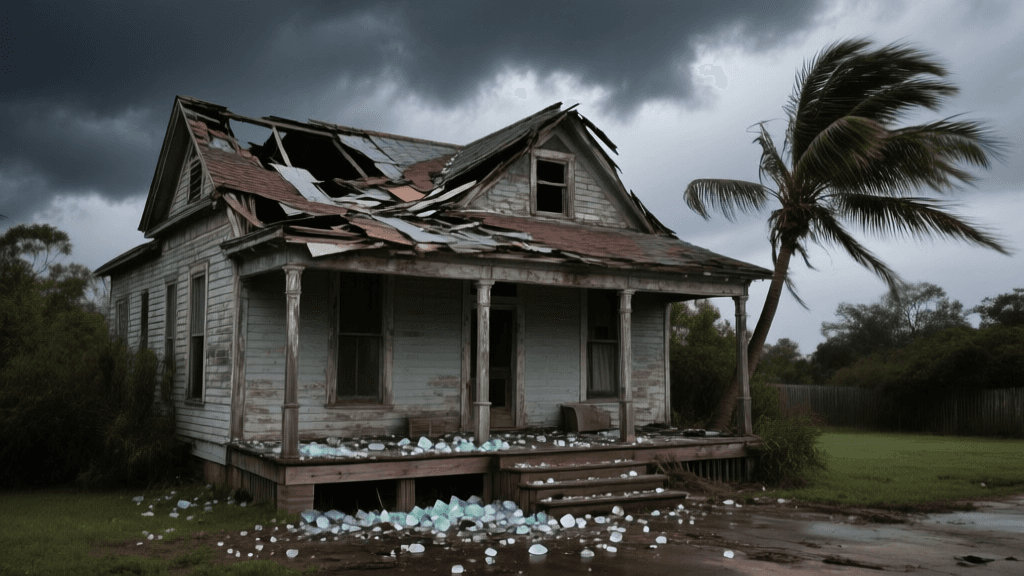
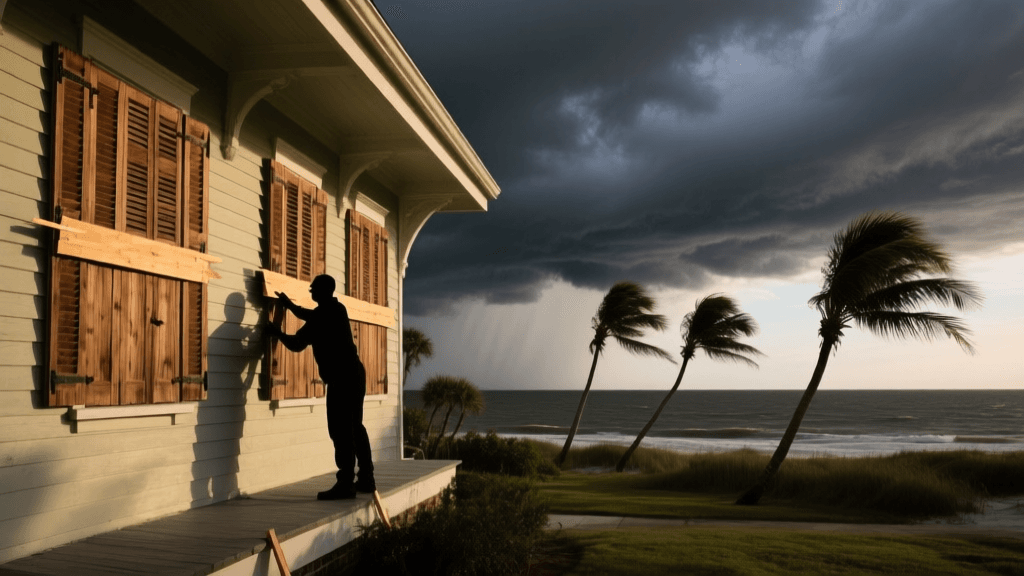
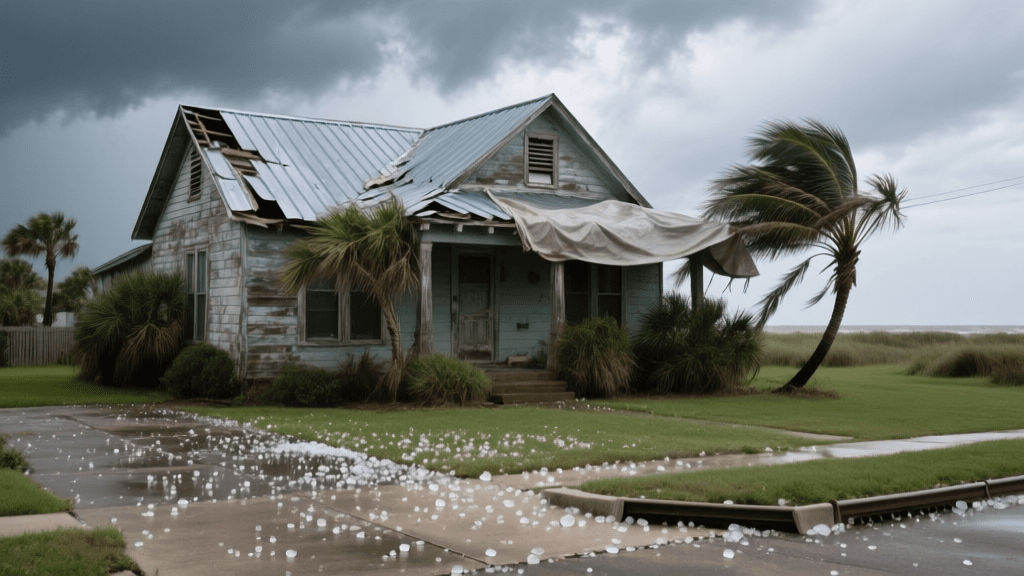
A single Gulf storm can bring powerful winds, wind-driven rain, hail, and rising water, but an insurance claim may not treat all of that damage as one event. In Galveston, the distinction can matter whether a roof loses shingles, rain enters through a storm-damaged opening, or water rises from the street and reaches the first floor. Homeowners should know which policy responds to each cause of loss, what deductible applies, and whether exclusions or limits affect payment. This guide explains the differences and offers practical questions to ask while there is still time to review coverage before hurricane season.
What Wind, Hail, and Flood Usually Mean
Wind damage generally refers to damage caused by moving air, such as lifted shingles, broken windows, or a fallen tree striking a home. Hail damage can include dents, cracked roofing materials, and broken exterior fixtures. These perils may be covered by a homeowners policy, but the exact terms, exclusions, and deductible depend on the contract. Flood is different: it commonly means temporary inundation of normally dry land by water affecting multiple properties or areas. A standard homeowners policy typically does not cover flood damage, so a separate flood policy may be needed. Definitions and claim decisions depend on the specific policy and facts of the loss.
Check the Windstorm and Hail Deductible
Many coastal policies use a separate windstorm or named-storm deductible instead of the standard flat-dollar deductible. It may be calculated as a percentage of the insured dwelling amount, so a 2 percent deductible on a home insured for $400,000 would equal $8,000. The policy wording determines which percentage applies and what event triggers it; do not assume every storm uses the same deductible. Ask whether wind and hail share a deductible, whether a named-storm definition changes it, and whether the deductible applies to the dwelling, contents, or both. Review the declarations page and policy forms together, since a summary page may not explain every condition.
Flood Damage Often Requires Separate Protection
Flooding can result from storm surge, heavy rainfall, overflowing waterways, or water that accumulates faster than drainage systems can move it. Damage from rising water entering a home is often excluded by a standard homeowners policy, even when the same storm also caused covered wind damage. A flood policy may cover eligible building components and personal property subject to its definitions, limits, exclusions, and waiting period. Ask whether the policy is through the National Flood Insurance Program or a private insurer, what building and contents limits apply, and how basements, ground-level enclosures, and temporary living expenses are treated. Coverage can vary, so verify details rather than relying on a general description.
When One Storm Causes More Than One Kind of Damage
Imagine a hurricane removes part of a roof in Galveston, then rain enters through the opening, while storm surge later pushes water into the neighborhood. The roof damage may be assessed under wind coverage, and the resulting interior rain damage may depend on how the policy treats rain entering through a storm-created opening. Water rising from outside may instead fall under flood coverage. The order of events, the source of water, maintenance conditions, and policy language can all affect a claim. Photograph damage when safe, keep receipts for reasonable emergency repairs, and avoid discarding damaged materials before documenting them. Report the loss promptly and keep notes about what happened and when.
Questions to Ask Before Hurricane Season
A useful review starts with the declarations page, followed by the full policy forms and endorsements. Ask which causes of wind, hail, and water damage are covered, whether any coastal or windstorm exclusions apply, and how the named-storm deductible is calculated. Confirm the dwelling limit reflects realistic rebuilding costs, not simply the home's market price, and check whether detached structures and personal belongings have appropriate limits. For flood coverage, confirm the effective date, waiting period, building limit, contents limit, and any restrictions that apply to the home's layout. If anything is unclear, request an explanation in writing and keep the response with the policy documents.
Galveston and Nearby Coastal Communities
Galveston Island's coastal exposure makes it especially important to distinguish wind damage from storm surge and other flooding. Elevation, construction type, distance from the shoreline, drainage, and the home's location can affect risk and available insurance options. Conditions are not identical across the area: Texas City, La Marque, Dickinson, and League City have different neighborhoods and drainage patterns, while Kemah and Bacliff also face coastal weather concerns. A property-specific review is more useful than assuming every home in the region needs the same limits or deductibles. Check applicable flood information for the exact address and compare it with the home's elevation and prior water history.
Key Takeaways for a Coverage Review
- Read the policy definitions and exclusions to understand how wind, hail, rain, and rising water are classified.
- Calculate the actual dollar amount of any percentage-based windstorm or named-storm deductible.
- Confirm whether flood protection is separate and review building and contents limits, waiting periods, and exclusions.
- Document the home's condition before storm season with dated photos, an updated belongings inventory, and copies of policy records.
- Ask how temporary repairs, additional living expenses, and claims involving more than one cause of damage are handled.

Practical Next Steps for Galveston Homeowners
Set aside time before hurricane season to gather your homeowners and flood policy documents, note renewal dates, and write down unanswered coverage questions. Compare the dwelling limit, personal property protection, deductibles, exclusions, and temporary living expense provisions across your current documents. If you are considering a change, ask about eligibility, costs, effective dates, and any waiting periods before making a decision; new coverage may not take effect immediately. Keep digital copies somewhere accessible if you need to evacuate, and store essential contact details separately from the home. A careful review cannot prevent storm damage, but it can make the financial consequences easier to understand and help you identify gaps early.
Review Your Coastal Home Coverage
Compare your policy documents and ask a licensed insurance professional to explain any wind, hail, or flood terms that remain unclear.
Get a Free Quote