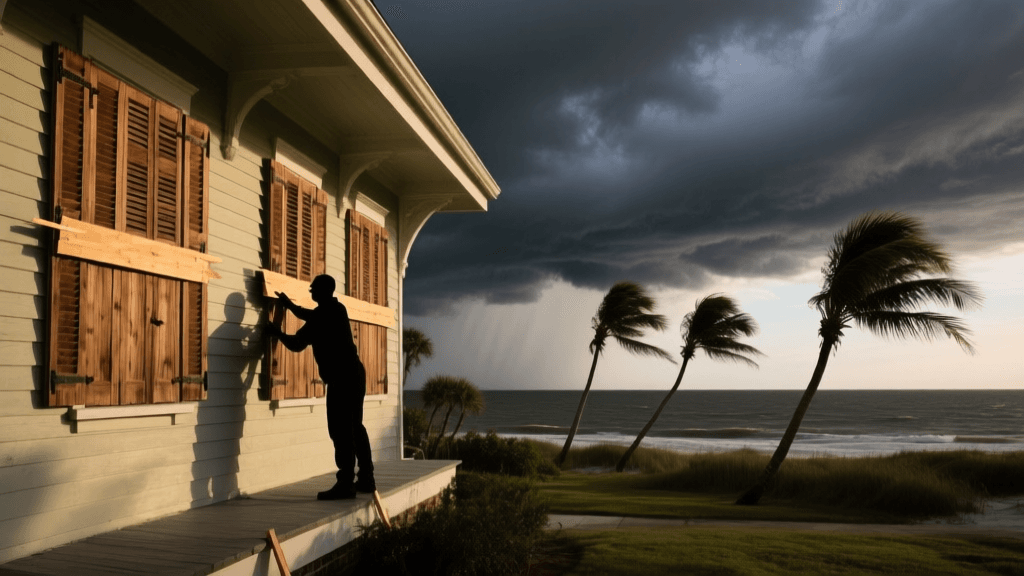
Why Wind and Hail Coverage Deserves a Close Look in Galveston
A wind or hail storm can leave a Galveston home with roof damage, broken windows, dented gutters, or water intrusion that is not immediately obvious. The amount a homeowner pays may depend on more than the repair estimate: a policy could apply a separate windstorm or hail deductible, impose coverage limits, or require specific steps to protect the property after damage. Before storm season, read the declarations page and the policy sections describing wind, hail, roof settlement, and deductibles. This guide explains what to check, what to photograph, and how to keep claim communications organized so a stressful event is easier to manage.
Why Coastal Conditions and Policy Details Matter
Galveston’s Gulf Coast location brings exposure to tropical systems, strong thunderstorms, wind-driven rain, and occasional hail. These hazards do not cause identical damage: wind may lift shingles or damage siding, while hail can bruise roofing materials or crack exterior fixtures. A standard homeowners policy may address some of these losses, but coverage depends on the contract, endorsements, exclusions, and any applicable windstorm provisions. Do not assume a named-storm deductible works the same way as an ordinary flat-dollar deductible. Review the actual wording and ask the insurer or a licensed insurance professional to explain any clause you do not understand before a forecast becomes urgent.
How Windstorm and Hail Deductibles Can Work
A deductible is the portion of a covered loss the policyholder pays before insurance contributes. Some policies use a fixed dollar amount, while others may use a percentage of the home’s insured dwelling limit for certain wind or hail losses. For example, if a policy applies a two-percent deductible to a dwelling limit of $300,000, the deductible would be $6,000; the exact calculation and trigger must be confirmed in the policy. Check whether wind and hail share one deductible or have separate terms, what event activates it, and whether it applies per occurrence. Compare the deductible with likely repair costs and available savings, rather than choosing a limit based only on the premium.
Review Limits, Exclusions, and Roof Settlement Terms
A policy limit is the maximum amount available for a covered category of loss, subject to the contract and claim facts. Check the dwelling limit, personal property coverage, other structures coverage, and any special sublimits that could affect storm repairs. Pay particular attention to how the policy settles roof damage: replacement cost and actual cash value are different approaches, and depreciation may affect the initial payment when actual cash value applies. Read exclusions and conditions for wear and tear, maintenance issues, water intrusion, and cosmetic damage. If the roof is older or has prior repairs, keep records and ask how its condition may affect a future covered loss. Never infer coverage from a marketing summary alone.
Prepare the Home and Your Records Before a Storm
Preparation makes both damage prevention and later claim review more manageable. Keep a current home inventory with photos or video of rooms, furnishings, appliances, and valuable belongings; save receipts for major purchases and improvements. Record the roof’s age, contractor invoices, permits, and prior repair details. Before severe weather, secure loose outdoor items, clear accessible drainage paths, and follow local emergency guidance. Do not climb onto a roof or attempt hazardous work as a storm approaches. Store policy documents and insurer contact details somewhere accessible, and make a note of how to report a loss outside business hours. These records establish a useful baseline if the home needs inspection afterward.
Document Damage and Protect the Property After the Storm
Once officials say it is safe to return, photograph and video damage from several angles before moving or discarding affected items, when doing so is safe. Capture wide views that show the location and close-ups of broken materials, interior stains, and damaged belongings; add dates and brief notes. Keep damaged items or samples when practical, and save receipts for reasonable temporary repairs. If a roof opening or broken window is allowing water inside, take steps to prevent further damage without risking personal safety, and document the condition before and after those steps. Avoid permanent repairs until the insurer has had a reasonable opportunity to inspect, unless urgent work is necessary to prevent additional loss.
Communicate Clearly During a Claim Review
Report a suspected covered loss promptly using the process in the policy, and write down the claim number, date, and name or identifier of each person contacted. Describe what happened and when, distinguishing what you observed from what you believe caused it. Share organized photos, repair estimates, invoices, and an inventory rather than sending a large collection without explanation. Ask the adjuster what areas will be inspected, whether additional documentation is needed, and how the deductible and any depreciation are being calculated. Keep copies of emails and a log of calls. If an estimate seems incomplete, identify the specific rooms, materials, or line items in question and provide supporting evidence for review.
Local Considerations for Galveston and Nearby Communities
Galveston homes vary from elevated coastal properties to older houses with different roof designs, materials, and maintenance histories, so a neighboring home’s claim outcome may not predict another homeowner’s coverage. Salt air, wind exposure, and past storm repairs can make routine upkeep and clear records especially valuable. Residents of Texas City, La Marque, Dickinson, League City, and other nearby communities should also read their own policy wording rather than assuming identical deductibles or endorsements across the area. Local building requirements and storm precautions can change, so consult current municipal and emergency-management guidance for property work. For a claim, document the home’s actual condition and the specific damage rather than relying on broad descriptions of the storm.
Key Takeaways for a More Prepared Claim
Practical Review Checklist
- Confirm whether windstorm or hail losses have a separate deductible, whether it is a percentage or fixed amount, and how the policy defines the event that triggers it.
- Review dwelling and other coverage limits, roof settlement terms, exclusions, and any endorsements that may affect storm repairs.
- Keep dated photos, a home inventory, roof and repair records, and copies of policy documents in an accessible location.
- After a storm, prioritize safety, document visible damage, take reasonable steps to limit further loss, and save receipts.
- Report the loss promptly, maintain a written contact log, and ask for explanations of estimates, depreciation, and deductible calculations.

Next Steps: Compare Coverage Before the Weather Turns
Set aside time to review your declarations page and the full policy before the next storm watch. Write down your wind and hail deductible, dwelling limit, roof settlement basis, claim reporting instructions, and any questions about exclusions or endorsements. If the policy language is unclear, request an explanation from the insurer or consult a licensed Texas insurance professional; ask for answers in writing when a detail could affect a significant repair decision. Homeowners comparing policies should evaluate both premium and out-of-pocket exposure, not price alone. A clear understanding of the contract cannot prevent storm damage, but it can help you make informed choices, preserve useful evidence, and respond more confidently if a loss occurs.
Review Your Wind and Hail Coverage
Compare policy deductibles, limits, and roof terms now so you know what questions to ask before a storm.
Get a Free Quote