Why Home Improvements Can Change Replacement Cost
A renovation can change more than a home’s appearance. Replacement cost is generally an estimate of what it could take to rebuild the dwelling with comparable materials and workmanship after a covered loss, rather than the home’s market price or land value. In Galveston, a kitchen remodel, new roof, expanded living area, or upgraded electrical system may affect that estimate in different ways. A new feature may cost substantially more to reproduce than the original one, while an addition changes the amount of structure to rebuild. This guide explains what to report, which records to save, and when to ask for a fresh review of the dwelling limit.
What a Replacement Cost Estimate Measures
A replacement cost estimate uses details such as square footage, construction type, roof characteristics, number of bathrooms, interior finishes, and local labor and material assumptions. It is not a promise that a particular amount will cover every future project, and it is not necessarily the same as a contractor’s estimate for one renovation. Market value can rise or fall because of location, demand, or land prices, while rebuilding calculations focus on the structure. In Galveston, coastal exposure, access to skilled trades, debris removal, and building requirements can influence reconstruction expenses. Ask how the estimate was developed and which home features were recorded so that missing or outdated details can be corrected.
Renovations That May Raise Rebuilding Costs
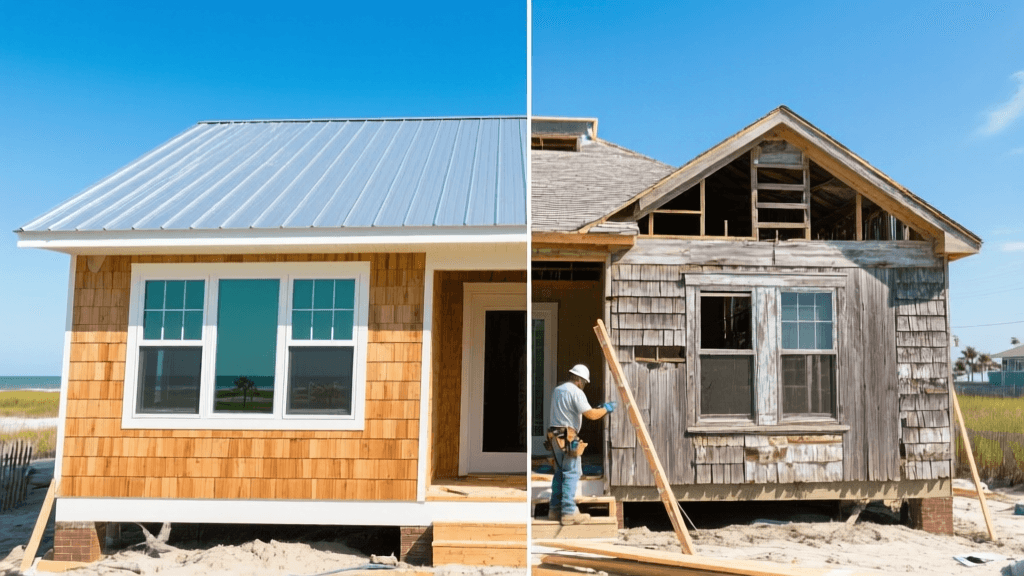
Projects that add structure or replace basic materials with higher-grade finishes are especially important to disclose. A room addition, expanded second floor, enclosed porch, or detached structure may change the home’s size or features. Custom cabinetry, stone countertops, premium flooring, impact-resistant windows, upgraded roofing, and built-in equipment can increase the cost of reproducing the home. Major system work also matters: updated wiring, plumbing, heating, or cooling may be part of the home’s current construction profile. For example, if a Galveston homeowner replaces standard cabinets and counters with custom millwork and stone, the room may cost more to rebuild even though its footprint stays the same. Keep invoices and specifications, not just a broad project total.
Additions, Roof Work, and Coastal Features
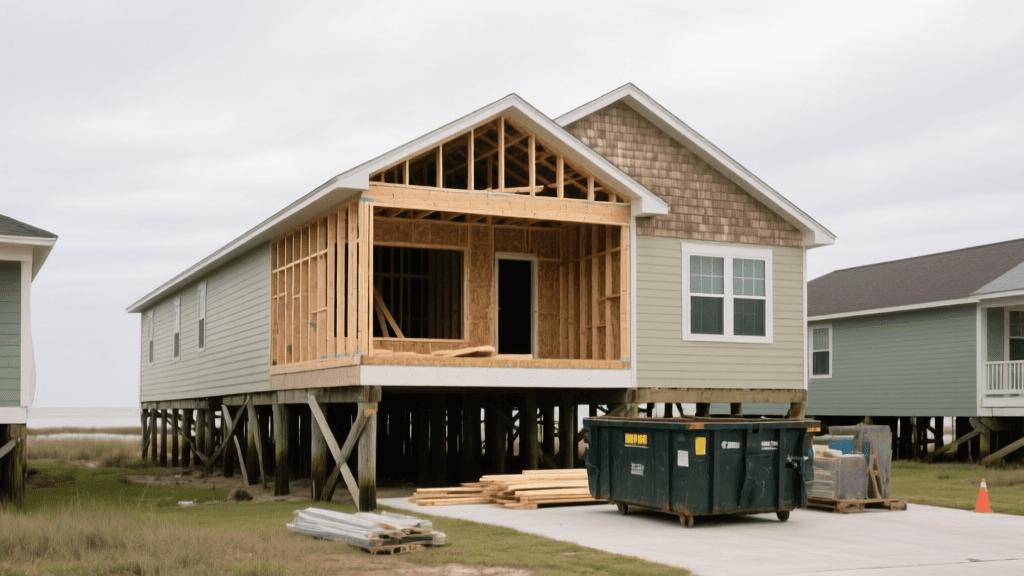
An addition is a clear reason to review an estimate because it changes the dwelling’s size and may introduce features the old calculation never included. Roof replacement also deserves attention: document the material, installation date, roof shape, and any upgraded components. Galveston homeowners may also install storm shutters, impact-rated openings, elevated mechanical equipment, or other resilience features. These improvements can support durability, but their replacement cost and insurance treatment depend on the policy and the property details. Do not assume that a permit or contractor’s completion notice automatically updates an insurance record. After substantial work, share accurate descriptions and ask whether the estimate reflects the finished home and whether any separate coverage terms apply.
Keep Project Records Before and After the Work
Good records make a coverage review more useful. Before work begins, save the contract, scope of work, material selections, plans, and any permit documentation. After completion, retain final invoices, warranties, photographs, and records showing changes to square footage or major systems. If a contractor changes the plan mid-project, update the file with the final specifications rather than relying on the original proposal. A homeowner who adds a permitted bedroom and replaces the roof can provide the finished floor plan, roofing invoice, and photos together, helping a reviewer understand both the added area and the upgraded materials. Store copies digitally and note the completion date so the information is easy to retrieve later.
Galveston Details That Can Affect a Rebuild
Local conditions are part of why a generic estimate may need careful review. Galveston homes vary in age, foundation design, elevation, layout, and exposure to Gulf weather. Rebuilding assumptions can also be affected by the home’s location, access, construction materials, and applicable code requirements at the time of reconstruction. A historic property or a home with distinctive trim may require specialized labor or materials to reproduce its character. Nearby communities such as Texas City, League City, Dickinson, La Marque, and Kemah share regional weather and construction considerations, but each property still has its own details. Confirm that the estimate reflects the specific home rather than assuming every coastal-area residence has the same rebuilding profile.
A Practical Replacement Cost Review Checklist
Details to Gather for a Coverage Review
- Record the finished square footage, number of rooms, additions, and detached structures, and verify that the insurer’s home description matches the property.
- List upgrades by room or system, including roof material, windows, flooring, cabinetry, counters, electrical work, plumbing, and heating or cooling equipment.
- Save plans, permits, contracts, paid invoices, warranties, and dated photographs that show the home before and after major projects.
- Ask how local labor, materials, debris removal, and rebuilding assumptions are reflected in the estimate, and whether the dwelling limit or policy terms need review.
- Check whether separate limits, exclusions, deductibles, or endorsements may apply to specific features or structures; do not assume an increase in the dwelling estimate resolves every coverage question.

When to Request an Insurance Review
Contact the insurer or insurance professional after a significant renovation, before a large project if coverage questions could affect planning, and during routine policy reviews. Be specific: explain what changed, when the work was completed, whether the project added square footage, and which materials or systems were upgraded. Ask for the dwelling description and replacement cost assumptions to be checked, and request an explanation of any proposed limit adjustment. A replacement estimate is still an estimate, so compare its assumptions with the home’s actual construction rather than focusing only on one number. Reviewing early can help identify a mismatch before a claim, while the policy and its terms remain the documents that determine coverage.
Review Your Home’s Rebuilding Details
Gather renovation records and request a coverage review so your Galveston home’s estimate reflects its current features and construction.
Get a Free Quote