
What Flood Insurance Is for Galveston Homeowners
Flood insurance is a separate policy that can help pay for certain direct physical losses to a building and its contents when flooding meets the policy definition. Standard homeowners insurance typically excludes flood damage, even when rain, storm surge, or overflowing water causes costly repairs. In Galveston, where homes and businesses sit near the Gulf and Galveston Bay, a flood policy can be an important part of protecting your finances. Coverage may be available through the National Flood Insurance Program, administered by FEMA, or through private insurers. The right option depends on the property, lender requirements, eligible limits, exclusions, and your ability to absorb a loss.
Why Flood Insurance Matters in Galveston, TX
Galveston’s coastal setting brings exposure to heavy rainfall, tropical storms, storm surge, and water that can drain slowly in low-lying areas. Flooding can affect homes outside mapped high-risk zones, so a map designation should not be treated as a guarantee that a property is safe. Elevation, building age, foundation type, drainage, and proximity to the Gulf or bay can all shape the practical risk. Mortgage lenders generally require flood insurance for buildings in a designated Special Flood Hazard Area when the loan is federally regulated or insured. Even without that requirement, owners should compare the likely cost of repairs with their savings and review local flood maps and property records before deciding.
What a Flood Policy May Cover
A flood policy may cover the insured building’s foundation and certain essential systems, such as electrical, plumbing, heating, and permanently installed equipment, subject to policy terms. Building coverage can also apply to attached components and eligible built-in appliances. Contents coverage is generally separate and may help replace qualifying personal property, but coverage limits and rules for items stored below the elevated living area can differ. Policies do not automatically pay for every water-related loss: seepage, moisture, mold, landscaping, vehicles, temporary housing, and finished areas below grade may be excluded or restricted. Read the declarations and exclusions carefully, and ask whether the building and contents limits reflect the replacement needs of your Galveston home.
Potential Policy Benefits
- Building protection may help with eligible repairs to covered structural components and essential systems after a qualifying flood.
- Separate contents coverage may help replace eligible belongings, subject to policy limits, valuation rules, and exclusions.
- A policy can reduce reliance on savings or loans to recover from a flood loss that homeowners insurance generally excludes.
- NFIP and private-market options can provide different limits, pricing, waiting periods, and terms for eligible properties.

Factors That Affect Flood Insurance Rates in Galveston
Flood insurance premiums are not based on one factor alone. Insurers may consider the property’s location, flood zone, elevation, construction and foundation details, distance from water, prior flood losses, coverage limits, deductible, and whether the policy is through the NFIP or a private carrier. FEMA’s Risk Rating 2.0 uses property-specific flood risk information for NFIP pricing rather than relying only on older map categories. Elevation documentation, such as an elevation certificate where relevant, may help clarify a building’s characteristics, but it does not guarantee a lower premium. To compare options, provide accurate property details and request the same building limit, contents limit, and deductible across quotes.
How Flood Insurance Claims Work
After a flood, first protect people and follow local emergency instructions; do not enter a building that may be unsafe. Contact the insurer promptly to report the loss and ask about deadlines, documentation, and any required forms. Photograph and inventory damage before discarding items when it is safe, keep receipts for reasonable emergency measures, and separate damaged property from undamaged belongings. An adjuster may inspect the building and review records to determine what falls within the policy. Keep copies of estimates, communications, and proof of ownership, and avoid permanent repairs until the insurer has documented the damage unless immediate work is needed to prevent further loss. Payment depends on policy terms, limits, deductibles, and the claim investigation.
Common Flood Insurance Mistakes and Misconceptions
A frequent misconception is that homeowners insurance will cover flooding because it covers other storm damage. In most cases, flood damage requires separate coverage, while wind-driven rain or roof damage may be handled under different policy language. Another mistake is assuming that a low-risk map designation means flood coverage is unnecessary; flooding can occur beyond mapped high-risk areas. Buyers also sometimes overlook contents coverage, assume every item in a basement or lower level is insured, or select limits without checking rebuilding costs. Finally, waiting until a storm is forecast can be too late: policies commonly have waiting periods, with exceptions and timing rules that vary by program and situation. Review the actual contract before relying on a general description.
Choosing the Right Flood Coverage Level
Start by estimating the cost to repair or rebuild the insured structure, then compare that figure with available policy limits. Consider contents separately by making a room-by-room inventory, including approximate values, purchase details, and photographs. Check whether the policy uses replacement cost or actual cash value for particular categories, and understand how the deductible applies. A larger deductible may reduce the premium but leaves you responsible for more of a covered loss. Ask how garages, detached structures, enclosures, elevated equipment, and areas below the lowest elevated floor are treated. For a Galveston property, review elevation and construction information alongside the policy wording, and do not assume a lender’s minimum requirement is enough to protect your household.
Getting Flood Insurance in Galveston and Nearby Communities
To explore flood insurance, gather the property address, year built, construction and foundation details, prior loss information, mortgage requirements, and any elevation documents you have. Compare NFIP and private options where available, checking limits, deductibles, exclusions, waiting periods, and renewal terms rather than looking at price alone. A licensed Texas insurance professional can explain policy differences and help you identify questions to take to an insurer; confirm the professional’s current license through the Texas Department of Insurance. Flood coverage is available for eligible properties subject to underwriting and program rules, and no quote can guarantee acceptance or a particular rate. Homeowners in Galveston, Texas City, League City, Dickinson, La Marque, Santa Fe, Hitchcock, Kemah, Friendswood, Alvin, Pearland, and Bacliff can review their individual risk and request options before the next storm season.
Review Your Flood Coverage Options
Gather your property details and compare available flood policy limits, deductibles, exclusions, and waiting periods for your Galveston-area home.
Get a Free QuoteAnswers at Your Fingertips
Flood insurance may cover eligible direct physical damage to an insured building and, if selected, certain personal property when a qualifying flood occurs. Covered items, limits, deductibles, and exclusions depend on the policy. Review the contract for treatment of foundations, mechanical systems, lower-level areas, belongings, temporary living expenses, and mold.
The cost varies by property and policy. Location, elevation, flood exposure, construction, prior losses, coverage limits, deductible, and insurer can all affect the premium. Compare quotes using consistent limits and deductibles, and provide accurate property information; no general estimate can determine an individual home’s rate.
Collect your property address, building details, elevation documents if available, mortgage requirements, and desired contents limit, then ask a licensed Texas insurance professional about NFIP and private-market options. Compare exclusions, waiting periods, limits, and deductibles, and allow time for coverage to take effect before a storm threatens.
A lender requirement is not the only reason to consider coverage. Flooding can happen outside designated high-risk areas, and standard homeowners policies generally exclude flood damage. Galveston homeowners should weigh local exposure, potential repair costs, savings, and policy price when deciding whether to purchase coverage.
Most standard homeowners policies exclude flood damage, which can include storm surge or rising water that meets the policy’s flood definition. Wind damage may be handled differently under the homeowners policy. Check both policies and ask the insurer how water-related damage is classified before a loss occurs.
Many flood policies have a waiting period, but the timing and exceptions depend on the program, circumstances, and policy terms. Do not assume a policy can be purchased immediately before a forecast storm and provide protection in time. Confirm the effective date and any applicable waiting-period rules when obtaining coverage.
Secure Your Galveston Home Protection
Compare tailored policies in minutes to match your home's unique needs.
Related Articles
Learn more about flood insurance in galveston, tx with these expert guides
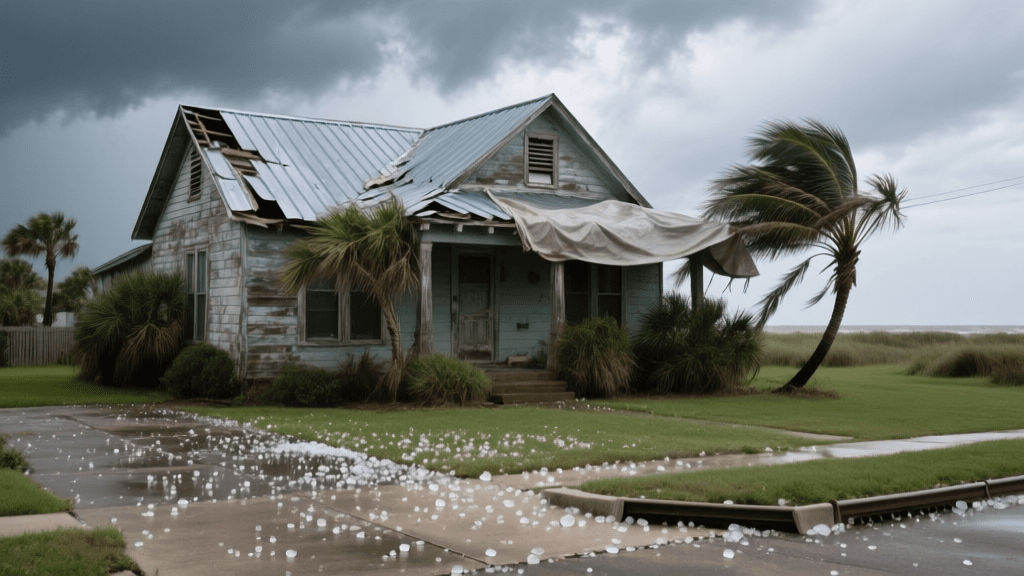
Wind & Hail Coverage in Galveston, TX
Wind, Hail, and Flood Insurance: Understanding the Differences in Galveston
Wind, hail, and flood damage can occur during one storm, yet coverage may be handled by different policy provisions or s...
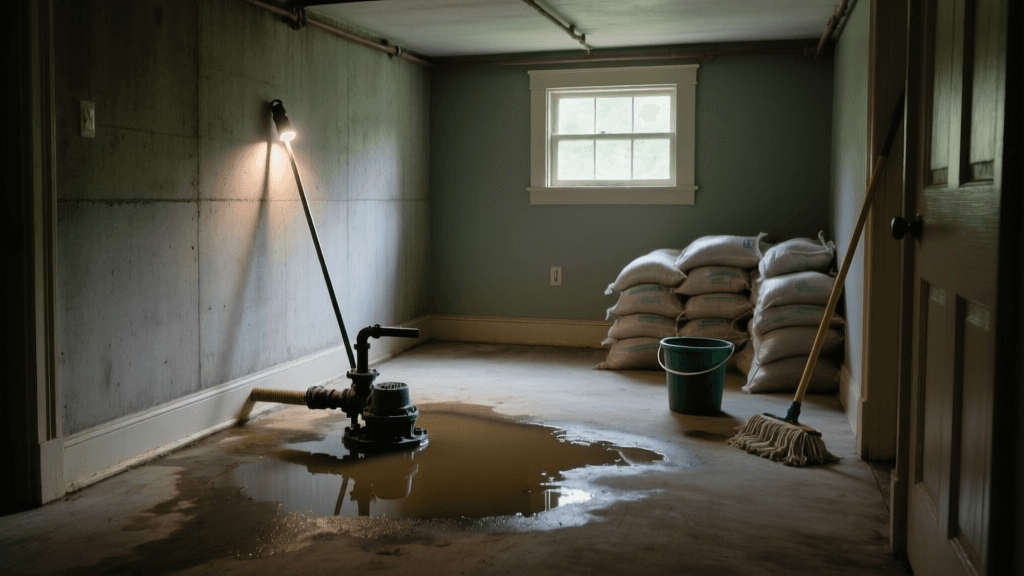
Water Backup Coverage in Galveston, TX
Water Backup Coverage Limits and Claim Preparation for Galveston Homeowners
Water backup coverage can have a separate limit and deductible, and the policy may distinguish between damage to the hom...
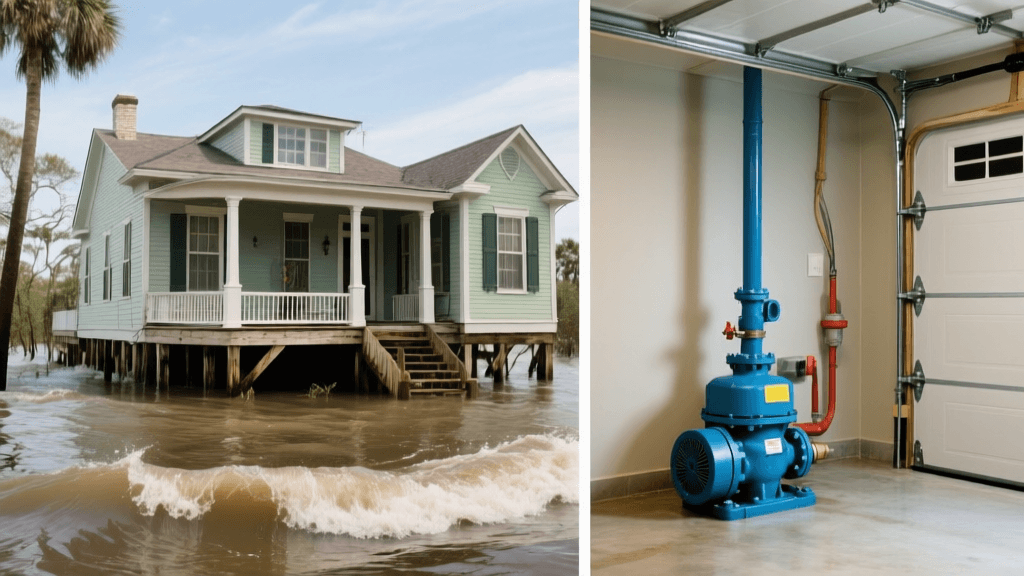
Water Backup Coverage in Galveston, TX
Water Backup Coverage vs. Flood Insurance: A Galveston Homeowner's Guide
Water backup coverage and flood insurance address different sources of water damage, and one generally does not replace ...