Why Review Home Liability Coverage in Galveston?
A guest slips on a wet walkway, a dog nips a visitor, or a child accidentally damages a neighbor’s property: these everyday situations can lead to demands for medical costs or repairs. Homeowners personal liability coverage may help with covered claims when the policyholder is legally responsible, subject to policy limits, terms, and exclusions. For Galveston homeowners, reviewing the details matters because homes may host visitors year-round, serve as vacation rentals, or include features such as pools and docks. This guide explains common limitations, possible coverage additions, and questions to ask before assuming a policy covers every situation.
What Homeowners Liability Coverage Generally Does
Personal liability coverage is generally designed for certain accidental bodily injury or property damage claims involving the insured, away from auto-related incidents and other separately insured risks. Depending on the policy and circumstances, it may help pay covered damages up to the stated limit and provide a legal defense for a covered claim. It is not a maintenance plan, a guarantee against lawsuits, or a substitute for health or auto insurance. A Galveston homeowner should check who qualifies as an insured, whether coverage follows household members away from home, and what duties apply after an incident. The declarations page shows the limit, but the policy wording explains its boundaries.
Common Exclusions to Check Before You Need Coverage
Home liability policies commonly exclude or limit claims involving intentional harm, business activities, certain motorized vehicles, and injuries to household members. Some policies also restrict coverage for particular animals, home-sharing activity, or property used to earn income; the wording varies, so a general rule should never replace reading the actual contract. For example, a resident who occasionally rents a beach house may find that ordinary personal-use coverage does not automatically extend to guest injury claims during a paid stay. Ask the insurer to identify the relevant exclusion in writing and explain whether an endorsement or separate policy is available. Disclose the activity accurately rather than relying on assumptions.
Pets, Pools, Docks, and Guest Safety
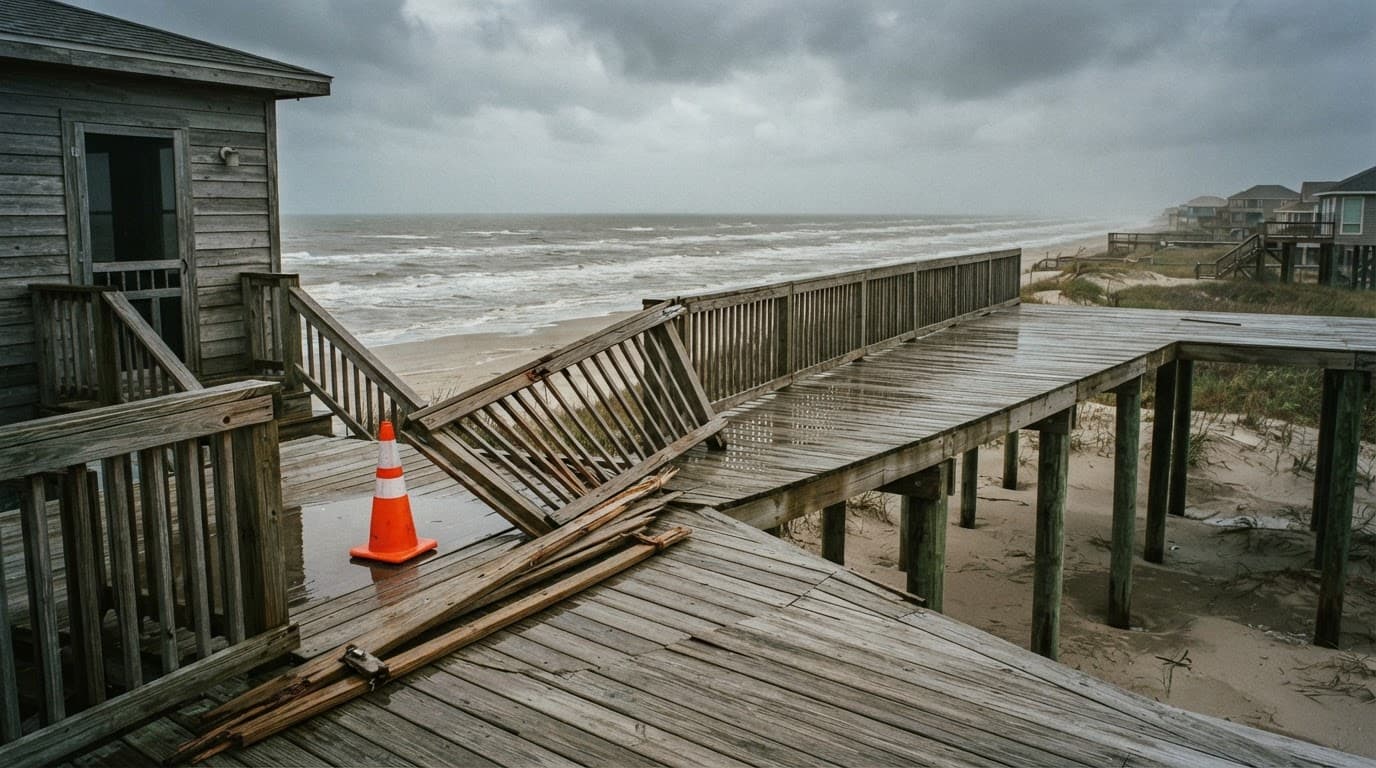
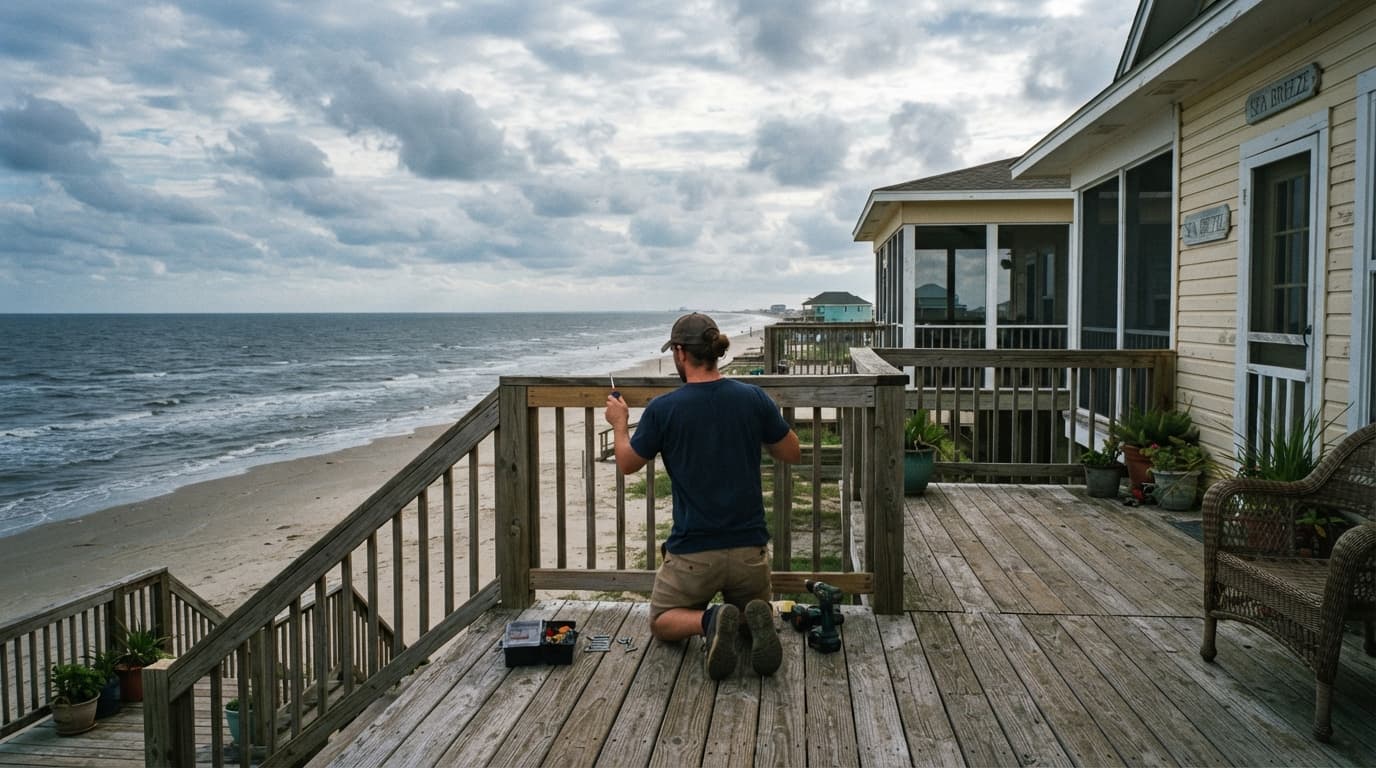
Features that make coastal living enjoyable can also raise practical liability questions. If a dog has a bite history or belongs to a breed subject to policy restrictions, confirm how the carrier treats that animal before a claim occurs. For a pool, dock, or raised deck, ask about any safety requirements, fencing expectations, and exclusions that may apply. A loose stair rail or broken gate can create both an injury risk and questions about whether the owner maintained the property responsibly. Keep walkways clear, repair hazards promptly, and document maintenance. These precautions do not replace insurance, but they can reduce preventable incidents and help clarify the facts if a claim is reported.
When an Endorsement or Separate Policy May Be Worth Asking About
An endorsement changes or adds terms to an existing policy, while a separate policy may be needed for an exposure that falls outside ordinary homeowners coverage. Depending on the insurer, options may address particular activities or property features, but availability and scope differ. A homeowner operating a short-term rental, running a business from home, or regularly hosting paid events should describe the activity and ask what policy structure is appropriate. Do not assume that a small amount of rental income makes the exposure personal rather than commercial. Request a clear explanation of limits, conditions, exclusions, and whether the proposed coverage applies to bodily injury, property damage, or both.
How a Personal Umbrella Policy May Add Another Layer
A personal umbrella policy may provide additional liability limits above certain underlying policies, such as homeowners and auto insurance, after applicable underlying limits are exhausted. It is not automatic coverage for every excluded claim. Umbrella insurers commonly require specific minimum limits on underlying policies, and the umbrella contract may have its own exclusions, eligibility rules, and covered-policy requirements. A Galveston household with substantial savings, a rental exposure, a teen driver, or frequent visitors can ask whether an umbrella is available and what it actually covers. Compare the underlying limits and umbrella terms together; buying a higher limit without checking exclusions may leave the same gap in place.
Local Considerations for Galveston Homeowners
Galveston’s visitor traffic, coastal properties, and seasonal rental activity make it especially useful to describe how a home is actually used. A primary residence near the Seawall, a second home used for occasional family stays, and a property rented to paying guests can present different underwriting questions. Homeowners in nearby Texas City, League City, Dickinson, La Marque, and Kemah may face similar questions, but policy terms and property details still matter individually. Coastal weather and flood risk are important property concerns, yet flood damage coverage is separate from personal liability and should not be confused with it. Ask about each exposure specifically rather than treating one policy as protection for every coastal risk.
Questions to Ask During a Coverage Review
Useful Review Questions
- What is the personal liability limit, and does it apply per occurrence or another stated basis?
- Which exclusions apply to pets, pools, docks, home businesses, rentals, and paid guest stays?
- Are household members covered for incidents away from the insured home, and what exceptions apply?
- Would an endorsement or separate policy address any disclosed activity, and what conditions must be met?
- If considering an umbrella policy, what underlying limits are required and which exclusions carry through?

Practical Next Steps for Reviewing Your Protection
Gather your declarations page and policy wording, then make a short list of how the property is used, who lives there, and any features or activities that could create liability. Include pets, pools, docks, home-based work, and any paid stays or events. Ask a licensed insurance professional to explain relevant exclusions and confirm answers in writing when possible. If you are comparing policies, review limits, defense provisions, deductibles where applicable, and exclusions side by side rather than focusing only on price. Coverage availability and interpretation depend on the policy and facts of a claim, so avoid relying on a verbal generalization. A careful review can help you decide whether current limits fit your household’s circumstances.
Review Your Home Liability Questions
Compare your policy terms and ask a licensed insurance professional whether endorsements or umbrella coverage may fit your needs.
Get a Free Quote