What Water Backup Coverage Means for Galveston Homeowners
Water appearing where it should not can leave a Galveston homeowner sorting through damaged flooring, stored belongings, and cleanup costs. Water backup coverage is typically an optional homeowners policy endorsement for certain losses caused when water or sewage backs up through a sewer, drain, or sump pump system. It is not a catchall for every kind of water damage, and coverage depends on the policy language, cause, and selected limit. This guide explains the basic distinctions, the questions worth asking before a storm or plumbing problem, and practical ways to document a home’s systems. A little policy review before an incident can make a stressful claim easier to understand.
Why Backup Risk Deserves a Separate Policy Review
Galveston’s coastal setting makes it especially important to distinguish different sources of water damage rather than assume one policy provision handles everything. Heavy rain, high water, drainage problems, aging pipes, or a failed pump can all put water in a low-lying room, but the insurance treatment may differ according to how the water entered. A backup endorsement does not automatically provide flood insurance, and flood insurance does not necessarily address every sewer or drain backup scenario in the same way. Homeowners in Galveston should read the definitions and exclusions in their own contract, not rely only on a general description. Ask how the policy classifies water that enters through a drain during a severe rain event.
What Events an Endorsement May Address
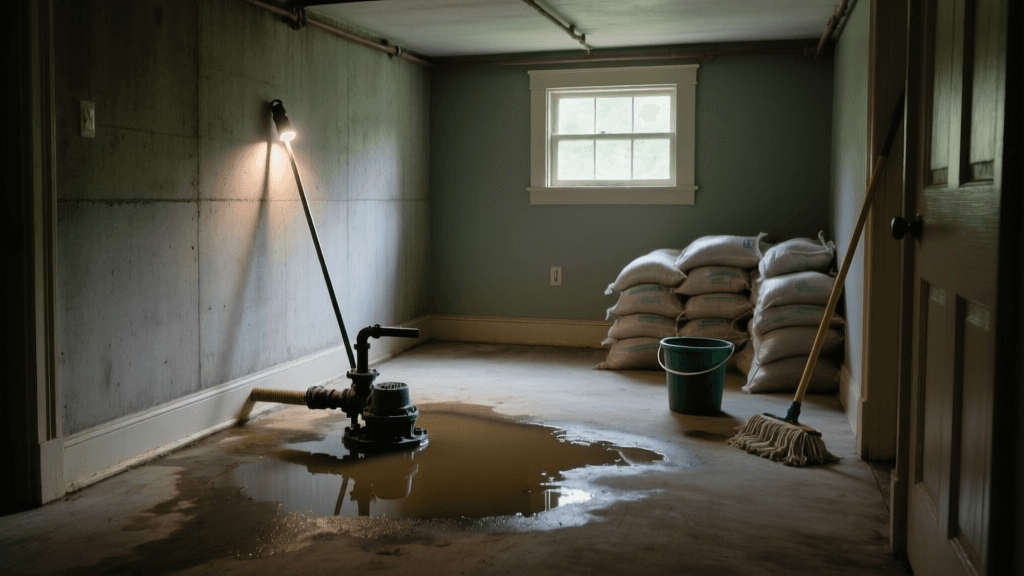
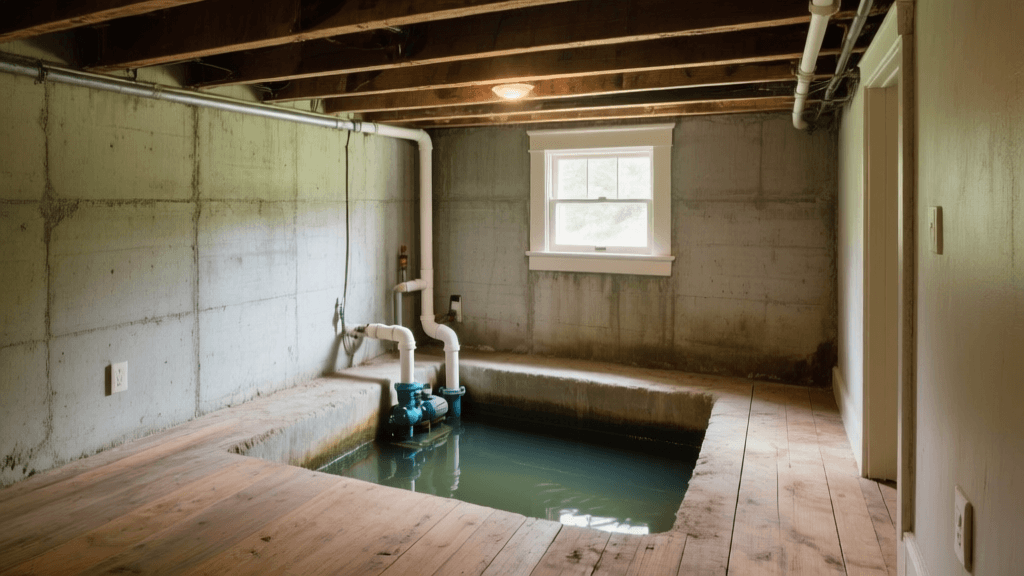
A water backup endorsement may apply when a sewer line or drain backs up into the home, or when a sump pump fails or cannot remove water quickly enough and water overflows into a covered area. For example, a blockage in a sewer lateral could cause wastewater to rise through a basement or ground-floor drain. A pump outage during heavy rain might allow water to collect around a utility area. These are examples, not guarantees of coverage: the policy may define covered equipment, covered property, and qualifying causes narrowly. Review whether cleanup, damaged building materials, and personal belongings are treated differently, and whether the endorsement requires the backup to originate in a particular system.
Backup Is Not the Same as Flooding or a Plumbing Leak
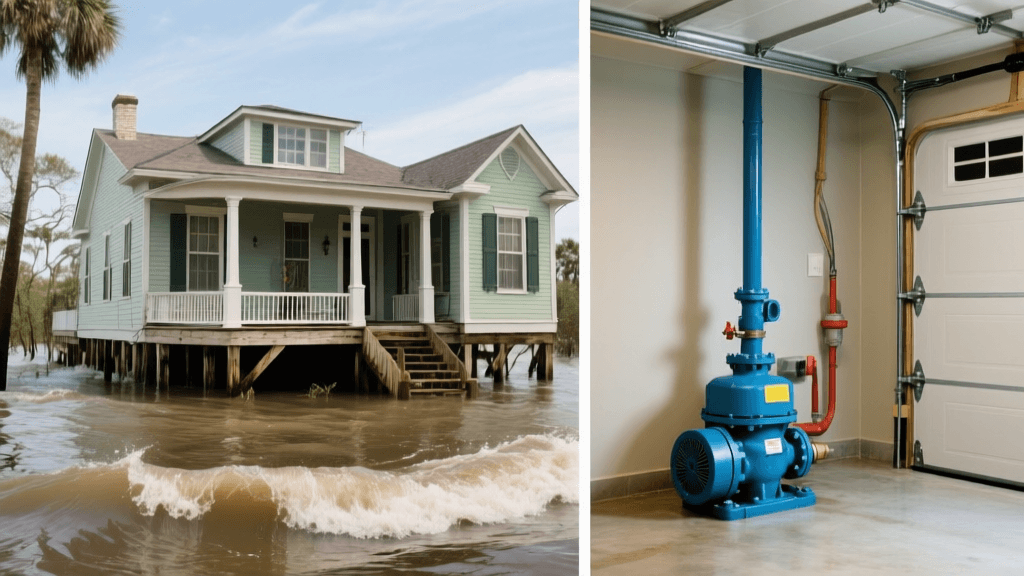
The source and path of water matter. Flooding generally involves water that rises or accumulates on normally dry land and enters a building, while a backup involves water or sewage coming through a sewer, drain, or sump system. A plumbing leak is different again: water may escape from a broken supply pipe, appliance hose, or other plumbing component. Homeowners coverage may treat sudden accidental plumbing leaks under separate policy provisions, while flood damage commonly requires separate flood insurance. The boundary can be confusing when heavy rain overwhelms a system and water comes through a drain. In that situation, document where water first appeared and ask the insurer how the policy definitions apply before assuming which coverage responds.
Check the Limit, Deductible, and Covered Property
An endorsement may have a special limit that is lower than the home’s dwelling or personal property limit. Check whether the limit applies per occurrence, whether cleanup and removal costs count toward it, and whether the deductible is separate or shared with the base policy. Also confirm whether the endorsement covers damage to the home, belongings, or both. A modest backup event can still involve flooring, cabinetry, drywall, and stored items, so estimate what is actually located in vulnerable rooms rather than choosing a limit by habit. Ask whether a higher limit is available and what it costs. The exact options and terms vary by insurer and policy form, so get the answer in writing when possible.
Understand Common Exclusions and Maintenance Responsibilities
A policy may exclude or limit losses involving neglected maintenance, repeated seepage, defective construction, or equipment that has not been properly maintained. An endorsement also may not pay to repair the failed pump, clear a blockage, or replace a damaged sewer line, even if it covers some resulting water damage. That distinction between repairing the source and repairing the damage is important when budgeting. Ask whether the policy addresses backup caused by a municipal sewer problem, a private line, or a pump failure, and whether any conditions apply to the home’s plumbing. Keep records of pump servicing, plumbing work, and prior water incidents. Maintenance records do not guarantee coverage, but they can help explain the system’s condition and the event.
Local Considerations Around Galveston
In Galveston, coastal weather and drainage conditions make it sensible to ask specifically how the policy handles water entering through a drain during intense rainfall, as well as a pump failure that happens at the same time. Homes differ: one property may have a slab and ground-floor utility area, while another may have lower storage or mechanical spaces that warrant extra attention. Nearby communities such as Texas City, League City, Dickinson, La Marque, and Hitchcock have their own property layouts and drainage circumstances, so a neighbor’s claim experience is not a substitute for reading your own policy. Photograph vulnerable areas, keep valuables off the floor where practical, and learn how to shut off or safely manage equipment if water threatens.
Questions to Ask When Reviewing a Policy
- Is water backup coverage included, optional, or excluded, and what event does the endorsement define as a backup?
- What is the per-occurrence limit, what deductible applies, and do cleanup costs reduce the available limit?
- Does coverage apply to both the home’s structure and personal belongings, and are particular rooms or systems excluded?
- How does the policy distinguish a sewer or drain backup from surface flooding and a sudden plumbing leak?
- Does the endorsement cover resulting damage if a pump or line fails, and is repair of the failed equipment excluded?
- What documentation should be saved after maintenance or an incident, and how quickly must a claim be reported?

Practical Next Steps Before Water Backs Up
Start by locating the declarations page and endorsements for your homeowners policy, then identify the water backup limit, deductible, and exclusions. If the wording is unclear, ask the insurer or licensed insurance professional to explain how a specific example would be handled, such as wastewater entering through a floor drain or a failed sump pump overflowing. Separately review whether flood insurance is appropriate for your property, because a backup endorsement is not a replacement for flood coverage. Check pumps and drains according to manufacturer guidance, keep service records, and move irreplaceable items away from low storage areas. If damage occurs, protect people first, take photos when safe, prevent further damage if possible, and contact the insurer promptly for claim instructions.
Review Your Water Damage Protections
Compare your policy’s backup endorsement, flood coverage, limits, and deductibles so you know what questions to ask before a water emergency.
Get a Free Quote