Why Water Backup Coverage Deserves a Closer Look
A backed-up drain or sewer line can send contaminated water into a home quickly, damaging floors, drywall, stored belongings, and mechanical equipment. For Galveston homeowners, a plumbing backup can be especially disruptive when it affects a ground-floor room, laundry area, or storage space. Standard homeowners policies may treat water that backs up through a sewer, drain, or sump system differently from water entering through a storm surge or rising floodwater. The distinction matters: a water backup endorsement may provide limited coverage, while flood damage generally requires separate flood insurance. Reviewing the policy before an emergency helps set realistic expectations about limits, deductibles, and claim steps.
What a Water Backup Endorsement May Cover
Water backup coverage is usually added to a homeowners policy by endorsement, which changes or expands the policy's terms. It may apply when water or sewage backs up through a drain or sewer, or overflows from a sump pump, depending on the wording. Coverage can include damage to the dwelling and, when the policy provides for it, personal property affected by the backup. It does not necessarily pay to repair the failed pipe, replace a worn pump, or correct a maintenance issue. Coverage for cleanup, debris removal, and temporary living costs also depends on the contract. Check the exact definition of covered backup and ask the insurer to explain any exclusions before relying on a general description.
Limits and Deductibles Can Change the Final Payment
An endorsement may have a specific dollar limit that is much lower than the dwelling coverage limit on the main policy. The limit may apply to the entire backup loss, or the policy may distinguish between building property and personal belongings. A separate deductible may also apply, so confirm whether the backup claim uses its own deductible or the policy's usual deductible. For example, if covered repairs and belongings total more than the endorsement limit, the limit can cap the insurer's payment before other policy terms are considered. The deductible can reduce the payment further. Ask for the limit, deductible, and any sublimits in writing, and check whether the limit is per occurrence or otherwise restricted.
Identify Which Damaged Property May Be Covered
A claim may involve several kinds of property, and the policy can treat each differently. Building items might include flooring, baseboards, drywall, cabinets, or permanently installed equipment. Personal property could include boxes, furniture, appliances, or other belongings kept in an affected room. Coverage can depend on the source of the water, the endorsement wording, the cause of the backup, and policy exclusions. Photograph items in place before moving them if it is safe, and make an inventory with a description, approximate age, and purchase information when available. Do not assume that every item stored below the home or in a garage is covered. The adjuster can explain how the policy classifies damaged property and what proof is useful.
Document the Damage and Start the Claim Promptly
Once people are safe, take clear photos and video of the affected rooms, visible water lines, damaged belongings, and the apparent source, without entering a hazardous area. Record the date and time, when the problem was discovered, and any actions taken. Keep receipts for emergency services, supplies, lodging, or other costs that may relate to the loss, and save communications with the insurer and contractors. Contact the insurer or its claims representative as soon as practical and follow the reporting instructions in the policy. Ask before discarding damaged items or authorizing non-emergency work, but do not delay necessary steps to prevent further damage. Keep a copy of estimates, invoices, and written findings from plumbers or cleanup professionals.
Mitigate Damage Without Taking Unnecessary Risks
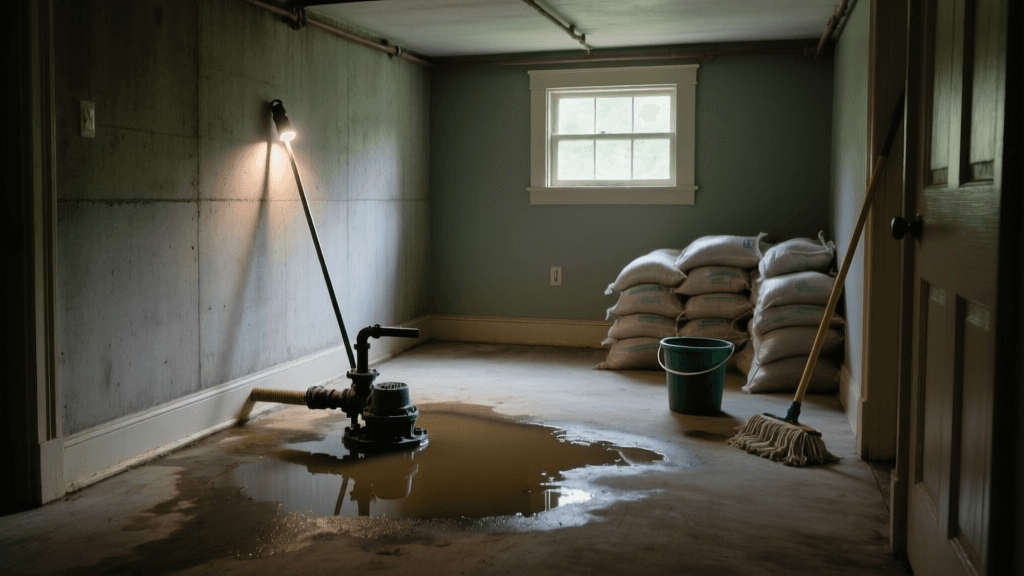
Do not enter standing water if electrical outlets, appliances, or wiring may be submerged, and do not touch electrical equipment from a wet area. If there is a sewage backup, treat the water as contaminated: keep children and pets away, avoid direct contact, and use qualified cleanup professionals for hazardous conditions. Do not operate a sump pump, furnace, or other equipment if its safety is uncertain. If it is safe, stop the source or shut off water as appropriate, then contact a licensed plumber or emergency service to assess the problem. Take reasonable steps to protect unaffected property, such as moving dry belongings to a safe location, while preserving evidence of the loss. Follow public safety instructions and the insurer's guidance.
Local Considerations for Galveston and Nearby Communities
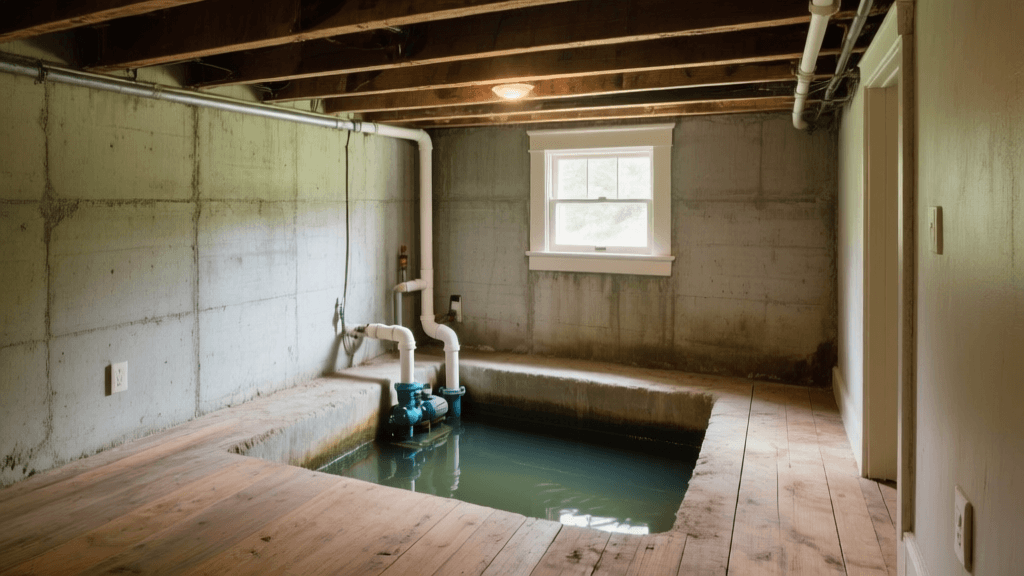
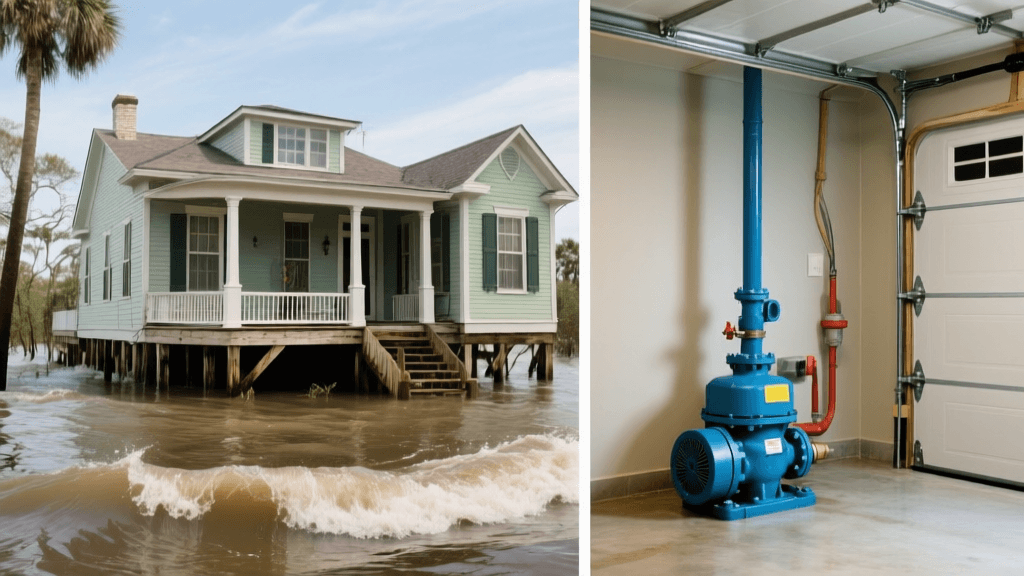
Galveston homes face coastal weather and moisture concerns, but a sewer or drain backup is not the same as flooding from storm surge, heavy rain, or rising water. The cause and point of entry can determine which policy or endorsement may respond, so document what you observe without guessing at the cause. A plumber's findings may help distinguish a blocked drain or failed pump from water entering from outside. Homeowners in Galveston and nearby Texas City, League City, Dickinson, and La Marque should also consider where plumbing equipment and stored belongings are located, especially in lower-level or ground-floor spaces. After a regional storm, follow local emergency guidance and avoid entering flooded or contaminated areas to inspect a possible loss.
Key Claim Preparation Takeaways
Steps to Take
- Locate the water backup endorsement and confirm its limit, deductible, covered causes, and any property sublimits.
- Photograph and inventory damage when it is safe, and preserve receipts, estimates, and professional findings.
- Report the loss promptly, follow claim instructions, and ask before discarding damaged items or arranging non-emergency repairs.
- Keep people and pets away from sewage or unsafe standing water, and use qualified professionals when contamination or electrical hazards are possible.

Review Your Policy and Plan Your Next Steps
Before a loss, ask the insurer to clarify how water backup coverage applies to your home, which deductible would be used, and whether the limit is adequate for likely repair and cleanup costs. Confirm whether the endorsement covers building materials, personal belongings, or both, and whether the policy includes restrictions on sump systems or repeated losses. After an incident, report it promptly, cooperate with the adjuster, and request explanations when a coverage decision or estimate is unclear. Homeowners comparing policies can review the endorsement alongside dwelling, personal property, and flood coverage rather than treating them as interchangeable. This preparation cannot guarantee that a claim will be covered, but it can help you understand the contract and respond more effectively when damage occurs.
Check Your Water Backup Coverage
Review your policy documents and ask the insurer to explain the endorsement limit, deductible, and claim requirements before a backup occurs.
Get a Free Quote