Why Outdoor Structures Deserve Their Own Coverage Check
A fence, dock, detached garage, or storage shed may look like a small part of a Galveston property, but replacing one after a storm can be expensive. Homeowners often assume that anything on the lot is insured in the same way as the house. Policies commonly separate the dwelling from other structures, and may apply different limits, conditions, or exclusions. The distinction matters along the coast, where wind, storm surge, flooding, salt exposure, and shifting soil can affect outdoor property in different ways. Before the next storm season, identify each structure and ask how the policy treats it, rather than relying on a general assumption that it is covered.
What Counts as an Other Structure?
Other structures generally means property on the residence premises that is separated from the home, or connected only by a fence, utility line, or similar feature. Depending on the policy wording, examples may include a detached garage, tool shed, gazebo, freestanding fence, or some docks and piers. A structure attached directly to the house may instead be considered part of the dwelling, but the exact definition controls. Coverage may also depend on whether the structure is used for personal purposes, rented out, or used in a business. Make a property list with photographs and approximate dimensions, then confirm how each item is classified with the insurer or a licensed insurance professional.
Coastal Hazards Can Affect Coverage Differently
Galveston structures face a combination of exposures that a standard homeowners policy may not address in one blanket grant of coverage. Wind or hail damage may be subject to a separate deductible, special conditions, or an exclusion that varies by policy and location. Flood damage is generally not covered by a standard homeowners policy; a separate flood policy may be needed, and its treatment of detached structures depends on the policy terms and program rules. Salt air can corrode metal fasteners, while repeated moisture and ground movement can weaken posts and foundations over time. Ask what caused-loss scenarios are covered, which are excluded, and whether gradual deterioration or lack of maintenance is outside the policy.
Fences: Clarify Limits, Materials, and Wind Damage
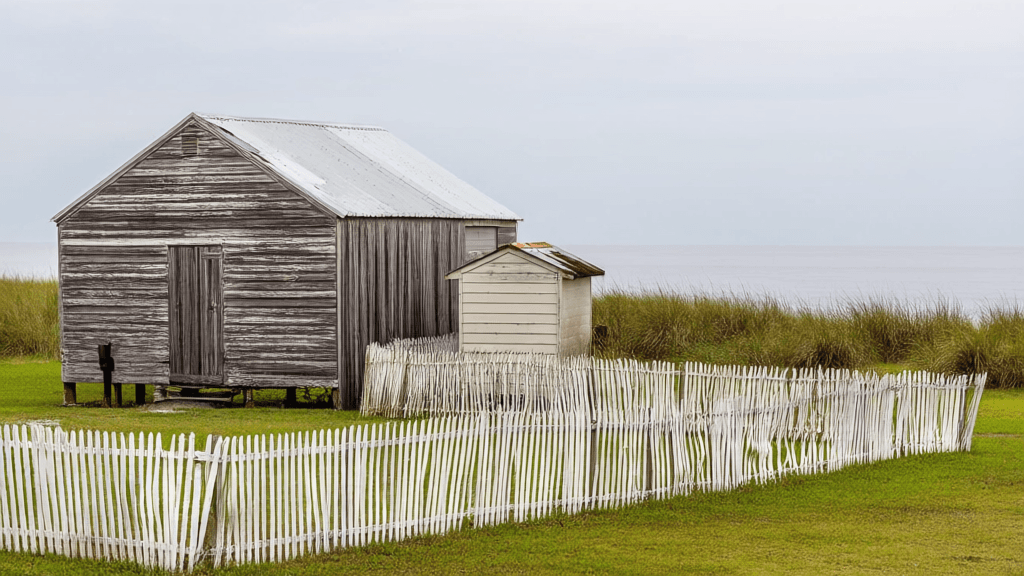
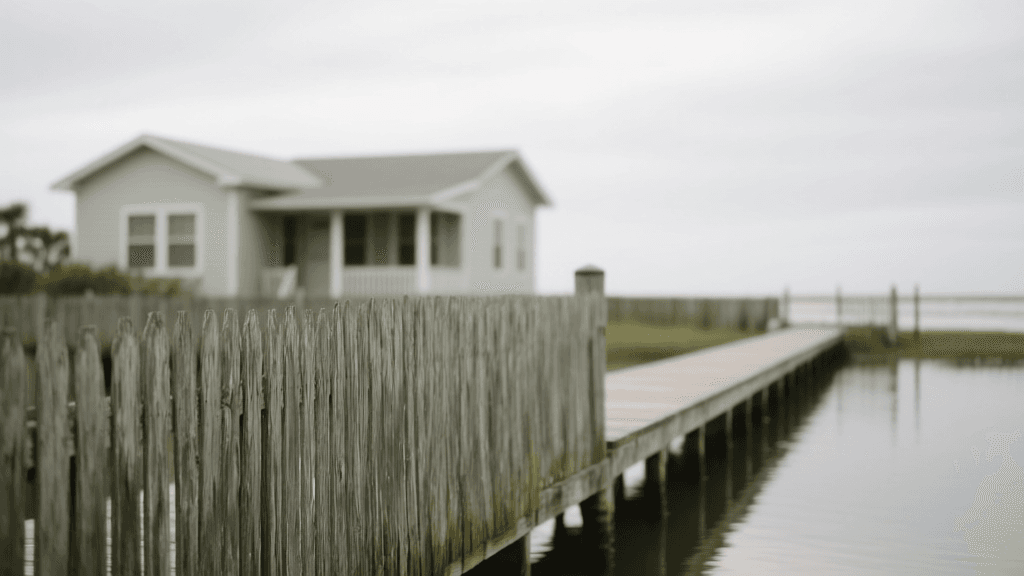
Fences are especially exposed because they catch wind and may be built across uneven, sandy, or low-lying ground. A policy might cover a fence under other structures, but the available amount, deductible, and covered causes of loss depend on the contract. Some policies limit or exclude particular types of fence damage, and damage caused by floodwater is not the same as wind damage. Record the fence’s material, length, age, and condition; save invoices for installation or repairs. If a shared boundary fence is damaged, determine who owns it and whether a neighbor agreement or local rule affects responsibility. Do not assume the insurer will pay the full cost of a new fence simply because the old one was damaged.
Docks and Piers Need Specific Questions
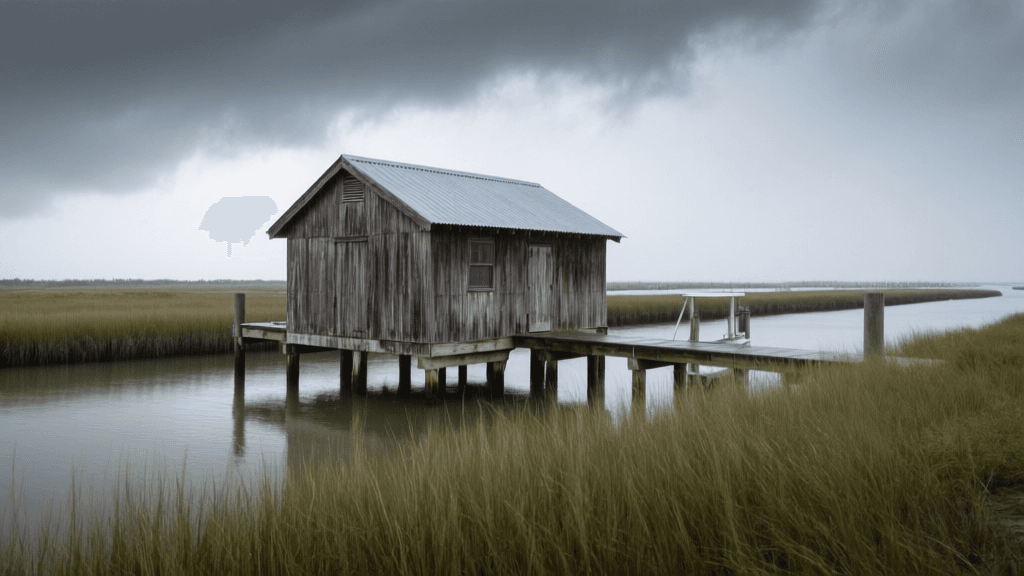
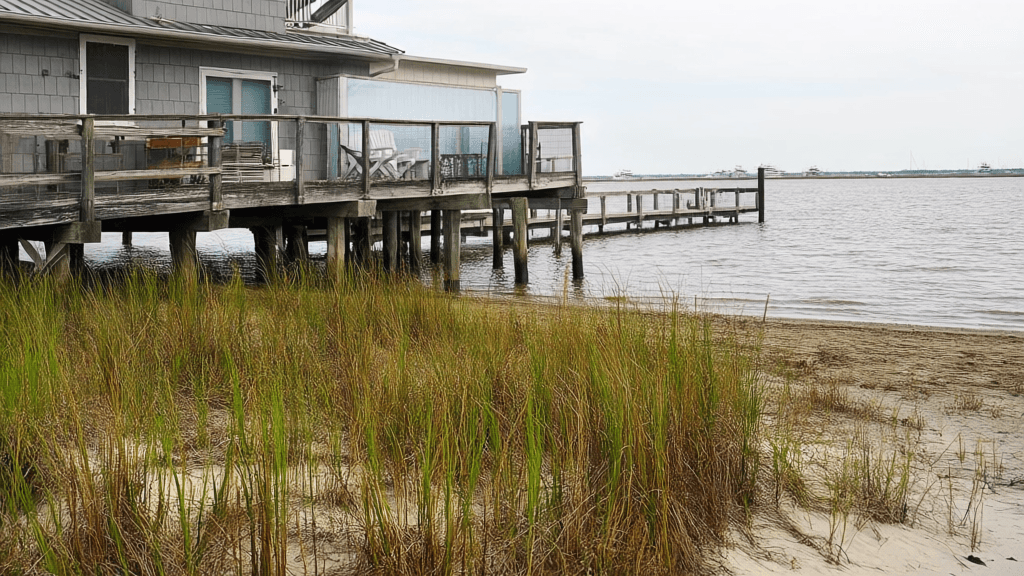
A dock or pier may have a very different risk profile from a fence or shed. It can be exposed to wave action, changing water levels, floating debris, erosion, and damage from a vessel. Some homeowners policies restrict coverage for docks, piers, seawalls, or structures over water; others may offer limited coverage or require a separate policy or endorsement. Ownership also matters: a dock on leased, public, or shared waterfront may not be treated like a structure wholly owned on the residence premises. Ask whether the policy covers the structure itself, attached equipment, and liability arising from its use. Confirm how it defines storm damage, flood, collision, and wear, and whether location-specific conditions apply.
Ownership, Construction, and Use Can Change the Answer
Coverage questions become more complicated when an outdoor structure is shared, rented, or built over water. A dock jointly maintained with a neighbor, a fence placed on a boundary, or a detached building used to store business equipment may not fit a homeowner’s ordinary assumptions. Construction details matter too: a professionally anchored structure may be treated differently from a temporary or improvised one, although the policy language—not the appearance—determines coverage. Keep permits, plans, contractor invoices, and records showing who owns and maintains the structure. If a property is rented or used for short-term stays, disclose that use when discussing coverage. Accurate details help avoid mismatches between the insured property and the risk described to the insurer.
A Practical Review for Galveston Property Owners
Galveston properties can include fences, sheds, patios, detached garages, and waterfront features that are not common at every inland home. Conditions can also vary from a protected canal or bay setting to an exposed shoreline location. Residents in nearby Texas City, League City, Dickinson, La Marque, and Kemah may encounter similar coastal weather concerns, but coverage depends on the specific property and policy rather than city name alone. Walk the lot and note what is attached to the house, what is detached, what sits near or over water, and what is shared. Then compare that inventory with the policy’s definitions, limits, deductibles, and exclusions.
Key Questions to Ask
- Is each fence, shed, garage, dock, or pier insured as a dwelling item or as an other structure, and what limit applies?
- Does the policy cover wind damage, and is a separate windstorm or named-storm deductible applicable?
- How does the policy treat floodwater, storm surge, erosion, wave action, and damage to structures over water?
- Are shared, leased, rented, or business-use structures covered, and are endorsements or separate policies needed?
- What records, photos, permits, and receipts should be kept to document ownership, construction, and replacement cost?

Next Steps: Verify Before You Need to File a Claim
Set aside time to review the declarations page and the policy wording for other structures, wind, water, and property exclusions. Create a dated photo inventory, retain receipts and construction records, and note any shared or waterfront ownership arrangements. Ask an insurer or licensed insurance professional to explain unclear terms in writing, including whether a dock qualifies, what deductible could apply, and whether flood coverage is separate. If a structure has substantial value or unusual exposure, ask whether a higher limit, endorsement, or separate policy is available. Coverage varies by carrier, contract, property, and underwriting rules, so a conversation before damage occurs is more useful than assuming a claim will be covered afterward.
Review Every Structure on Your Property
Compare your property inventory with your policy and ask a licensed professional to clarify limits, exclusions, and coastal coverage options.
Get a Free Quote