
What Other Structures Coverage Is in Galveston, TX
Other Structures coverage is the part of a homeowners policy that protects buildings and structures on the property that are not attached to the main house. In Galveston, this often includes detached garages, storage sheds, fences, carports, workshops, guest cottages, pergolas, and sometimes docks or similar features if the policy allows. The coverage usually applies when damage comes from a covered peril such as wind, hail, fire, vandalism, or certain types of falling objects. For homeowners in Galveston, TX, this matters because detached structures can represent a significant investment and may be exposed to the same coastal weather hazards as the residence itself. If a storm damages a backyard shed or knocks down fencing, this is the section of the policy that may respond.
Why Other Structures Coverage Matters in Galveston
Galveston homeowners face a mix of coastal risks that make Other Structures coverage especially important. Salt air, heavy rain, high winds, hail, and tropical storms can all shorten the life of exterior materials or cause sudden damage. Detached garages and sheds often sit in more exposed parts of the lot, while fences can be vulnerable during strong wind events moving in from the Gulf. In neighborhoods near the seawall, bayfront areas, or low-lying sections of Galveston, storm conditions may create repeated repair needs over time. This is also relevant in nearby communities such as Texas City, League City, and La Marque, where outbuildings and fences are common. Because Texas policies can differ in how windstorm risks are handled, reviewing local eligibility, exclusions, and deductibles is a smart step before assuming every structure is fully protected.
What Other Structures Coverage Typically Covers
Other Structures coverage generally pays to repair or rebuild detached property features when they are damaged by a covered cause of loss. Common examples include a detached garage hit by hail, a fence damaged by a fallen tree, or a storage shed harmed by a fire. Coverage may extend to built-in structures like gazebos, standalone patios, detached workshops, and similar improvements on the premises. The claim amount is usually subject to the policy limit and deductible, and payment may reflect replacement cost or actual cash value depending on the policy terms. In Galveston, homeowners should pay close attention to windstorm wording, flood exclusions, and maintenance-related limitations. Damage from flooding or storm surge is typically not covered under a standard homeowners policy, even when the detached structure is on the same property as the house.
Key Benefits of Other Structures Coverage
- Helps pay to repair or rebuild detached garages, sheds, fences, and similar structures after covered damage
- Creates clearer protection for property features that are not attached to the main dwelling
- Can reduce out-of-pocket costs after wind, hail, fire, or vandalism claims in Galveston
- Supports better property value protection for homeowners with workshops, carports, and backyard buildings
- Gives homeowners a defined limit for detached structures instead of relying on dwelling coverage alone

Factors Affecting Other Structures Coverage Rates in Galveston, TX
Rates are influenced by the age, size, construction type, and replacement cost of the detached structures on the property. A masonry detached garage may be rated differently than an older wood-frame shed or a long stretch of privacy fence. In Galveston, location is also a major factor because coastal wind exposure, prior storm losses, and proximity to high-risk weather zones can affect premium and deductible levels. Roof style, anchoring, elevation, and overall maintenance may matter as well, especially if the structure shows wear from moisture or salt air. Homeowners in Galveston and nearby areas like Dickinson, Hitchcock, and Kemah may also see pricing differences based on insurer appetite, claims history, and whether the policy includes endorsements that broaden protection. The amount of Other Structures coverage selected will directly affect cost, so limits should reflect real rebuilding expenses rather than rough guesswork.
How Other Structures Claims Work
The claims process usually starts by documenting the damage as soon as it is safe to do so. Take clear photos, make a list of the affected structures, and note the date and cause of loss. In Galveston, storm-related claims may involve widespread neighborhood damage, so prompt reporting can help move the process forward faster. After a claim is filed, an adjuster may inspect the detached garage, fence, shed, or other damaged structure to confirm the extent of loss and whether the cause is covered under the policy. Estimates are then compared against the available limit, depreciation rules, and deductible. Keep receipts for emergency steps such as tarping or temporary bracing if the policy allows those costs. The most important point is to understand that flooding, gradual wear, rust, rot, and neglected maintenance are often handled differently from sudden accidental damage.
Common Mistakes and Misconceptions About Other Structures Coverage
A common misunderstanding is thinking the entire property is protected under one unlimited dwelling amount. In reality, detached structures usually have their own limit, often set as a percentage of the dwelling coverage. Another mistake is assuming flood damage to a shed, fence, or detached garage will be covered just because the house is insured. In Galveston, that assumption can lead to expensive surprises after heavy rain, surge, or coastal flooding. Homeowners also sometimes forget to update their policy after adding a workshop, replacing fencing, or installing a larger outbuilding. If the structure has been improved but the coverage limit stays the same, there may not be enough protection after a loss. Reviewing exclusions, wind deductibles, and replacement cost terms is just as important as looking at the premium.
Choosing the Right Other Structures Coverage Level
The right limit depends on what it would cost to rebuild every detached structure on the property using current local labor and material prices. In Galveston, that means considering coastal construction demands, code upgrades, and the replacement cost of fences, sheds, garages, and custom backyard improvements. Start by listing each detached structure and estimating its rebuild value, not just what it might sell for secondhand. If a homeowner has a detached garage with electrical work, a finished workshop, or higher-end fencing, the default policy percentage may be too low. Deductibles also matter. A higher deductible may lower the premium, but it can leave the owner paying more out of pocket after a smaller loss. Homeowners in Galveston, Santa Fe, Friendswood, and Pearland should compare limits carefully whenever property features change.
Getting Other Structures Coverage in Galveston and Nearby Areas
Getting covered starts with a review of the property, the detached structures on site, and the policy form available for the address. Homeowners in Galveston should be ready to share the age, size, use, and construction details of garages, sheds, fences, and other standalone features. It also helps to note whether any structure has plumbing, electricity, rental use, or business use, since those details can affect eligibility and limits. A careful quote review should compare covered perils, windstorm handling, deductible options, exclusions, and whether endorsements are needed. This process is useful not only in Galveston but also for surrounding communities such as Texas City, League City, Dickinson, La Marque, Alvin, and Bacliff. The goal is simple: match the policy limit to the real structures on the property so there are fewer surprises when a claim happens.
Answers at Your Fingertips
Cost depends on the value of the detached structures, the home's location, prior claims, and coastal wind exposure in Galveston, TX. Larger garages, custom sheds, and extensive fencing usually increase the premium, while deductibles and policy form also affect pricing.
Other Structures coverage usually includes detached garages, sheds, fences, workshops, pergolas, and similar structures that are separated from the main house. Coverage applies when damage is caused by a covered peril, subject to limits, exclusions, and deductibles.
Yes, if the property has detached features with meaningful rebuild value, this coverage is important in Galveston. Coastal wind, hail, and storm damage can affect fences, sheds, and detached garages just as easily as the main residence.
Usually no. In Galveston, flood and storm surge damage to detached structures is typically excluded from a standard homeowners policy, so separate flood protection may be needed depending on the property and risk zone.
Start by listing every detached structure on the property and estimating what it would cost to rebuild each one. Then compare policy limits, deductibles, windstorm terms, and exclusions for homes in Galveston, TX and nearby areas like Texas City, League City, and Dickinson.
Secure Your Galveston Home Protection
Compare tailored policies in minutes to match your home's unique needs.
Related Articles
Learn more about other structures coverage in galveston, tx with these expert guides
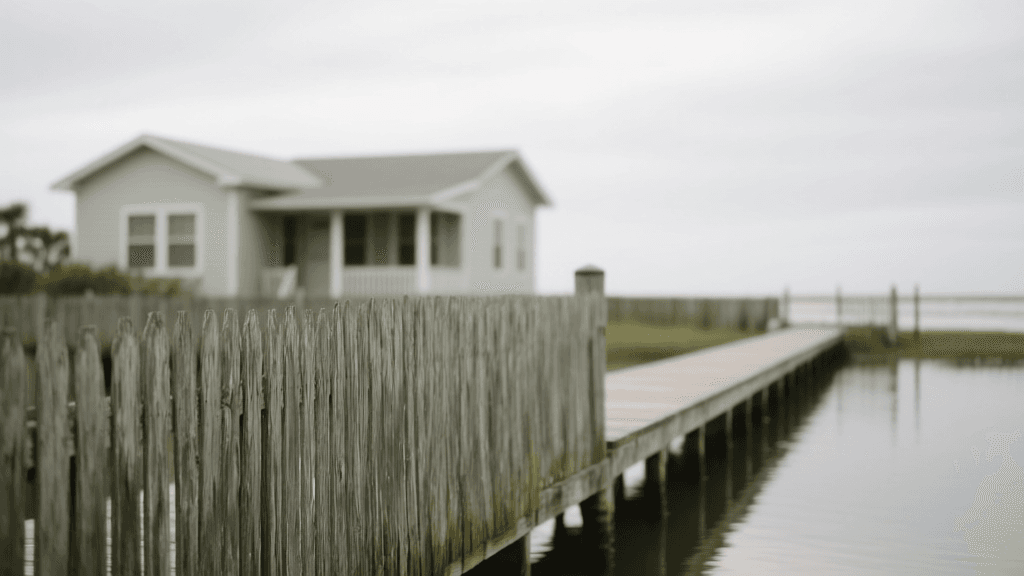
Other Structures Coverage in Galveston, TX
Fences, Docks, and Coastal Property: Other Structures Coverage in Galveston
Fences, docks, sheds, and other detached structures can be treated differently from the home itself under a homeowners p...
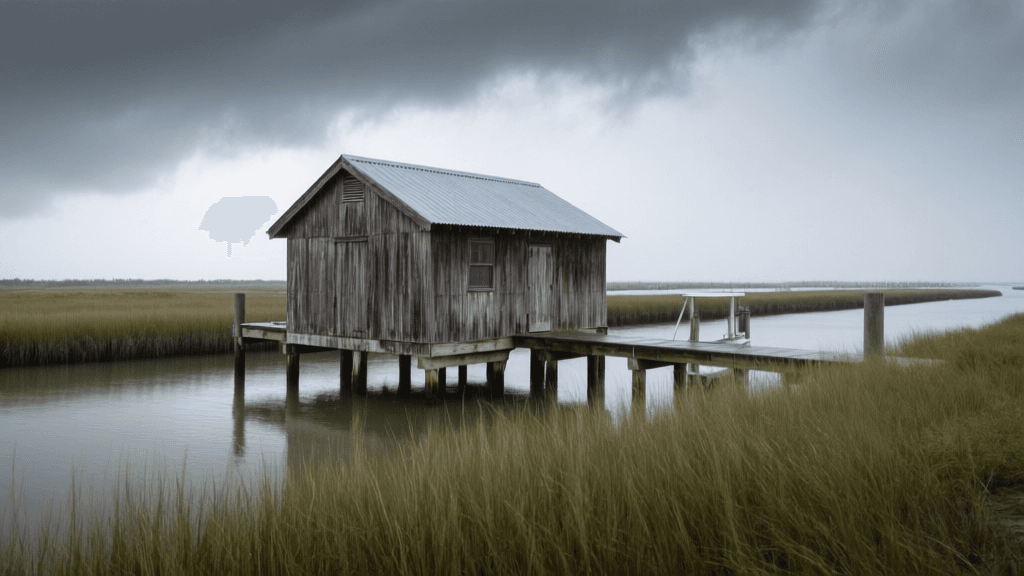
Other Structures Coverage in Galveston, TX
Other Structures Coverage Limits and Exclusions for Galveston Homes
Other structures coverage can help protect detached buildings such as garages, sheds, and fences, but limits and exclusi...
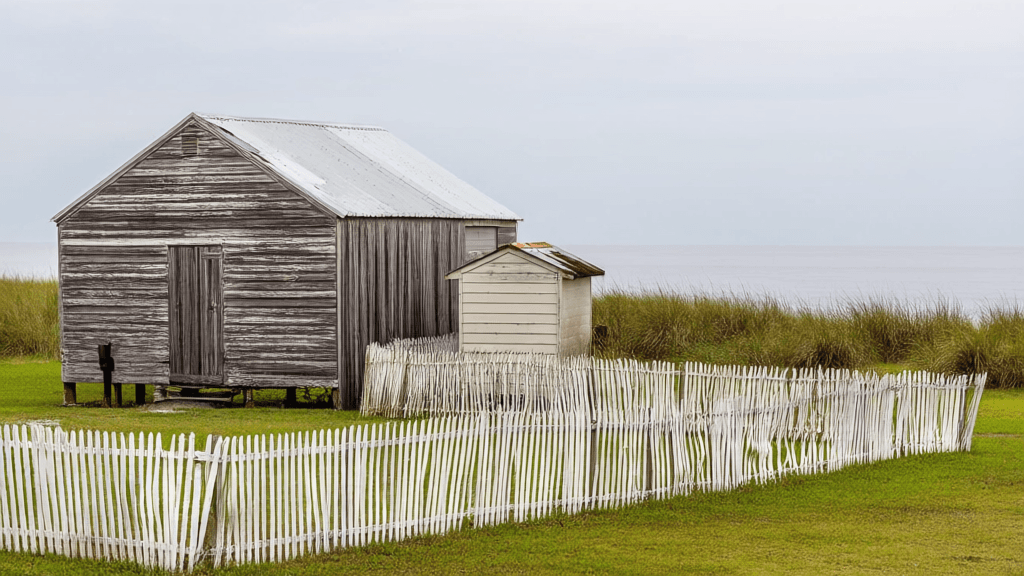
Other Structures Coverage in Galveston, TX
Detached Garages, Fences, and Sheds: Other Structures Coverage in Galveston
Detached garages, fences, sheds, and other property features may be insured under the other structures portion of a home...