What Other Structures Coverage Means for Galveston Homeowners
A detached garage, fence, or backyard shed can represent a substantial investment, yet homeowners may not know which part of a policy protects it. Other structures coverage, often called Coverage B, generally applies to buildings and structures on the insured property that are separate from the main home. In Galveston, where salt air, strong winds, heavy rain, and storm surge can affect property, it is worth checking this protection before a loss occurs. The exact definition, covered causes of loss, and limit depend on the policy. This guide explains what to review so you can discuss your specific property and coverage with an insurance professional.
Why Detached Property Needs Its Own Coverage Review
Many homeowners policies set the other structures limit as a percentage of the dwelling limit, but the percentage and terms are not universal. A standard limit might be adequate for a modest shed and short fence, yet fall short for a large workshop, a detached garage with electrical equipment, or several outbuildings. Galveston properties can also include elevated structures, masonry features, boat or equipment storage, and fencing exposed to coastal weather. Make an inventory of what is on the lot and estimate replacement cost rather than relying only on resale value. Confirm whether each item qualifies as a covered structure and whether its use affects eligibility.
Which Structures May Be Included?
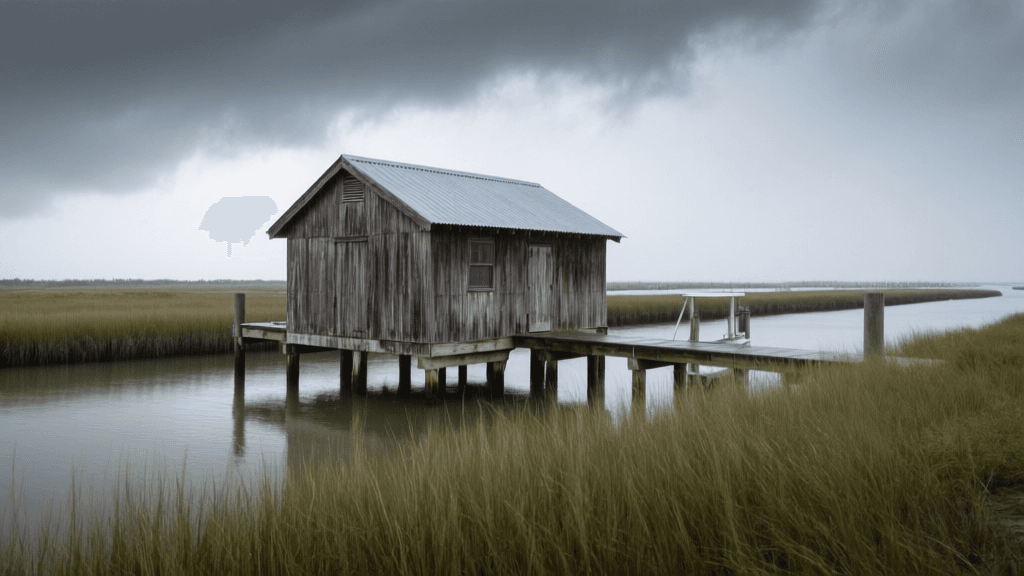
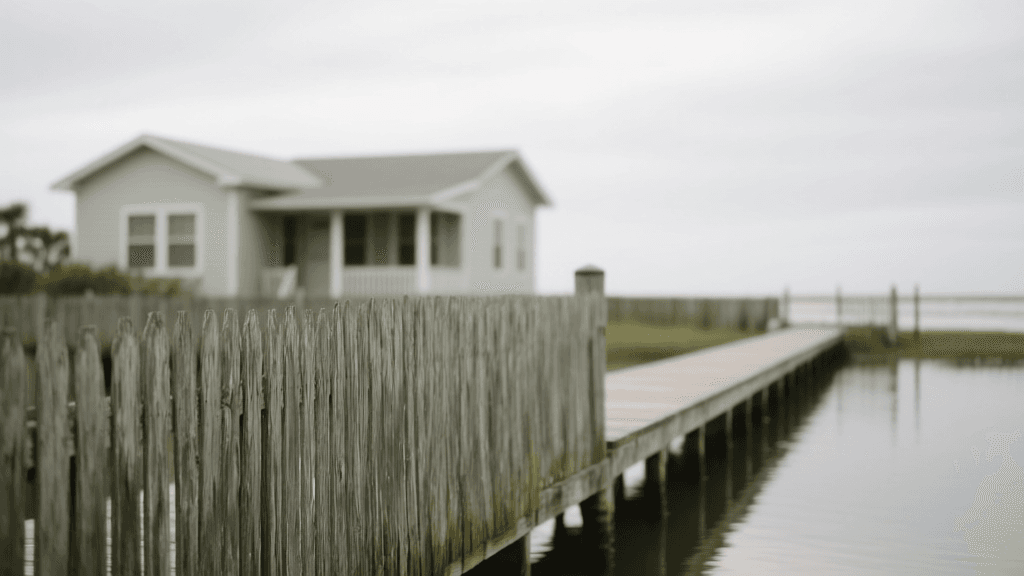
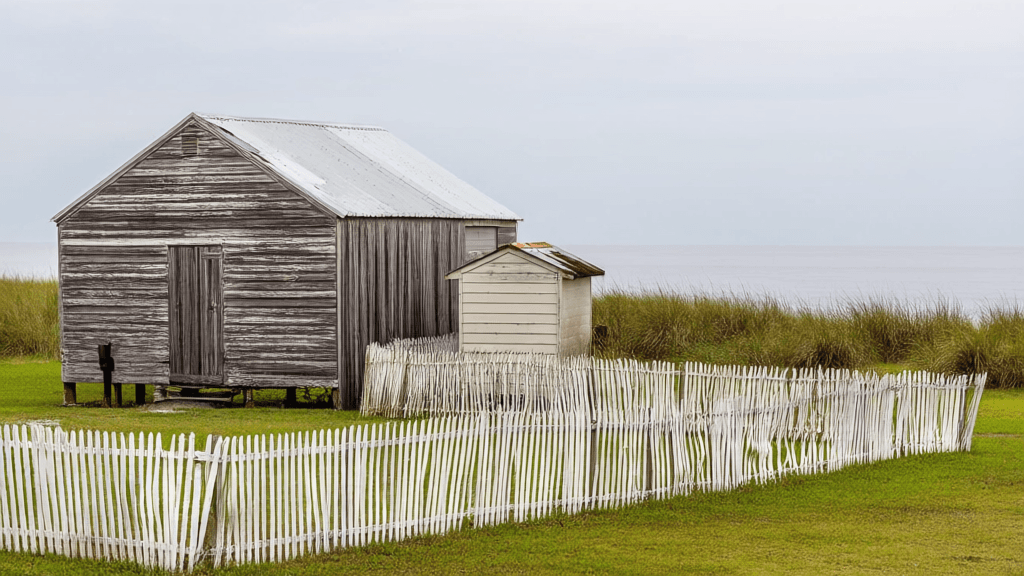
A detached garage is a common example, along with a standalone storage shed, workshop, gazebo, or permanent fence. Other structures may include a retaining wall, detached greenhouse, or a structure used to store lawn and maintenance equipment. Coverage can become less straightforward when a building is rented, used for a business, or contains property that belongs to someone else. A fence may be treated differently from a building, and some policies apply special limits or exclusions to particular property features. Walk the lot and note each structure’s materials, dimensions, age, attachments, and use. Photographs and receipts can help establish what existed before a storm.
Limits, Deductibles, and Replacement Cost
The other structures limit is the maximum available for covered damage to qualifying property, subject to the policy’s terms and deductible. Ask whether the limit is calculated from the dwelling coverage amount and whether it can be adjusted to reflect the actual replacement cost of garages, sheds, and fencing. Also clarify whether a claim is settled at replacement cost or actual cash value; actual cash value generally accounts for depreciation, while replacement-cost terms may pay to repair or replace with comparable materials, subject to conditions. Coastal construction costs and material availability can change, so an old estimate may no longer be reliable. A coverage review is especially useful after building a new structure or making major improvements.
Coastal Weather and Exclusions to Check
In Galveston, the cause of damage matters as much as the damaged structure. A homeowners policy may cover some wind or hail damage, while windstorm or hail coverage can be subject to separate deductibles, restrictions, or a separate policy depending on the property and insurance arrangements. Flood damage is generally not covered by a standard homeowners policy, and storm surge is typically treated as flood; verify the exact wording in the policies that apply to your home. Wear and tear, gradual deterioration, corrosion, and inadequate maintenance may also be excluded. Ask how the policy handles wind-driven rain, fallen trees, and damage to fences, since treatment can vary by form and circumstance.
Property Details That Can Change the Coverage Picture
The structure’s construction and use can affect how a claim is evaluated. A detached garage used only for household storage may be treated differently from a workshop where paid work is performed or a building rented to another person. The same is true of a shed containing valuable tools, business inventory, or recreational equipment: coverage for the building does not automatically mean its contents have the same protection. Tell the insurer about additions, conversion projects, new electrical or plumbing work, and changes in use. Keep permits, contractor invoices, and photos together. Accurate details help avoid surprises about eligibility, limits, or exclusions after a covered event.
Local Considerations for Galveston and Nearby Communities
Galveston homes face coastal conditions that can differ from properties farther inland, including salt exposure, humid air, tropical weather, and the possibility of flooding in vulnerable areas. A fence near the Gulf or a bay-facing property may experience different exposure than one on a more sheltered lot, while drainage and elevation can influence water concerns. Homeowners in Texas City, League City, Dickinson, La Marque, and other nearby communities should also check their own property’s location and policy terms rather than assume that a neighbor’s coverage applies. Ask which windstorm arrangements and flood protections are in force for the specific address, and confirm that detached structures are included in the coverage discussion.
A Practical Coverage Review Checklist
- List every detached garage, shed, fence, and other permanent structure, including dimensions, construction materials, and current use.
- Compare the policy’s other structures limit with realistic local repair or replacement estimates, and ask about available limit adjustments.
- Review wind, hail, flood, and storm-surge provisions separately, including any applicable deductibles and exclusions.
- Check whether business use, rental activity, or valuable contents require separate coverage or an endorsement.
- Store dated photos, receipts, permits, and contractor records in a place that remains accessible after a storm.

Next Steps Before the Next Storm
Start by reading the declarations page for the other structures limit, then review the policy wording for covered property, exclusions, and deductibles. If a detached garage, fence, or shed is missing from your inventory, gather photographs and an approximate replacement estimate before requesting a review. Ask clear questions: Is the structure insured for the risks I am concerned about? Does a separate windstorm or flood policy apply? Are business use or stored equipment covered? What documentation would support a claim? Comparing policy terms and limits can help Galveston homeowners identify gaps before a loss, rather than discovering them during stressful repairs. Coverage depends on the issued policy, so confirm details directly with a qualified insurance professional.
Review Your Property’s Other Structures Coverage
Gather your structure inventory and policy declarations, then compare limits, deductibles, and coastal exclusions with a qualified insurance professional.
Get a Free Quote