What Additional Living Expenses Coverage Means in Galveston
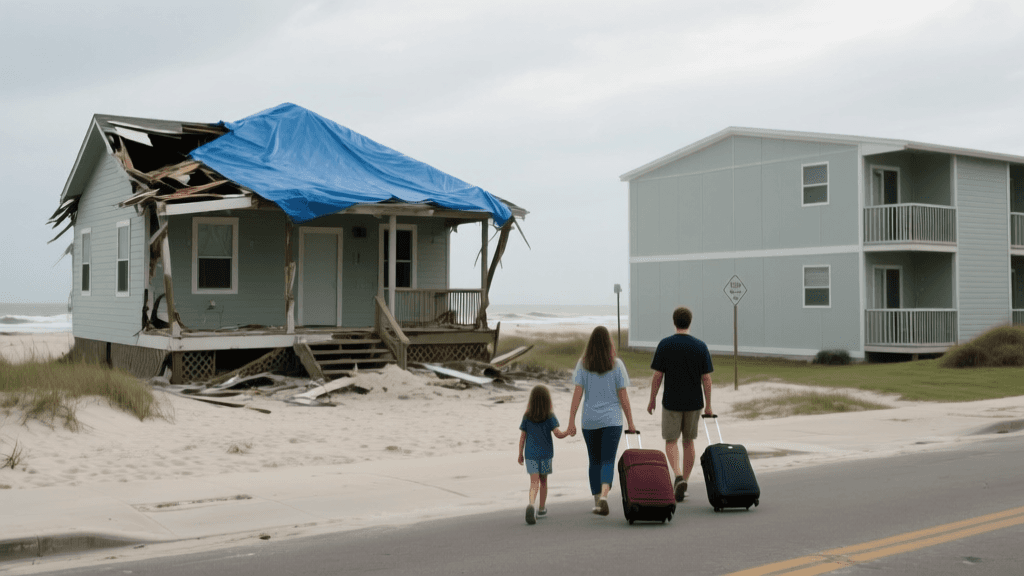
If covered damage makes your Galveston home unsafe or unsuitable to live in, additional living expenses coverage may help with certain costs of maintaining a temporary household. Often called ALE or loss of use coverage, it is generally meant to cover the increase above your ordinary expenses, not every bill you incur while displaced. A hotel room, short-term rental, extra meal costs, or added transportation may be considered, depending on the policy and claim. The key questions are what triggered the damage, whether the home qualifies as uninhabitable, and what limits and conditions apply. Knowing those details before a storm or other loss can make a stressful relocation easier to manage.
Why Limits and Timing Matter After a Local Loss
Temporary housing costs can add up quickly, especially when a household needs more than one bedroom, has pets, or must stay near work and school. In Galveston, a major storm can also affect rental availability and repair schedules across the island, so a temporary stay may not match an ordinary vacation booking. The amount and duration available depend on the individual policy; some policies express a limit as a percentage of dwelling coverage, while others state a separate dollar amount or time cap. A percentage is not a promise that the full amount will be paid. Eligible expenses, the covered cause of loss, and policy conditions still matter, so check the declarations and wording rather than relying on a general rule.
How the Dollar Limit Is Usually Described
Start with the declarations page and find the coverage entry labeled loss of use, additional living expenses, or a similar term. The limit may be calculated as a percentage of the dwelling amount or listed separately. For example, if a policy shows dwelling coverage of $400,000 and loss of use at 20 percent, the stated maximum could be $80,000, subject to the policy’s actual wording and claim decisions. That figure does not automatically determine what any household will receive. Ask whether the limit applies to all loss-of-use expenses combined, how temporary housing and meal increases are categorized, and whether other restrictions apply. Also confirm whether the dwelling amount or the loss-of-use limit has changed at renewal.
What Determines How Long Benefits Can Continue
A policy may limit ALE by a maximum number of months, a dollar amount, or both. It may also describe coverage as lasting for the shortest reasonable time needed to repair or replace the home, subject to the stated limit and other terms. The timeline can depend on inspections, contractor availability, permitting, material delays, and the scale of repairs. After a coastal storm, widespread demand can slow work even when a homeowner is ready to proceed. Keep written repair estimates and updates, and ask the claim representative how often the expected completion date should be reviewed. Do not assume a fixed number of months applies to every policy or every loss; the exact provisions and facts control.
Covered Damage and Uninhabitability Are Essential
ALE is usually tied to a covered property loss that makes the residence unfit to live in, but the policy defines the relevant conditions. A damaged roof that leaves rooms exposed, unsafe electrical wiring, or a lack of essential services may support relocation when documented and accepted under the claim. By contrast, inconvenience or a desire to leave during a weather warning alone may not qualify. The cause of damage matters too. Standard homeowners insurance commonly excludes flood damage, while wind, water intrusion, and storm-related damage can be treated differently depending on the policy, facts, and applicable endorsements. Ask which cause of loss is being considered and how that decision affects temporary living expenses before making assumptions about reimbursement.
Documentation Helps Explain the Extra Cost
When arranging temporary housing, compare reasonable options that meet the household’s actual needs and keep the reasoning behind the choice. Save rental agreements, hotel folios, receipts, mileage records, and proof of extra meal expenses. A simple ledger can show the date, expense, amount, and why the cost increased because the home could not be occupied. Keep ordinary household spending in mind: ALE generally concerns additional costs, so a claim may compare temporary expenses with what the family normally spends. Contact the insurer before committing to unusually costly or long-term arrangements, and ask what documents are required. Clear records can help resolve questions about the amount, duration, and connection between expenses and the insured loss.
Galveston Details to Consider When Reviewing a Policy
Galveston’s island setting can make repair and relocation logistics different from those inland. A household may need temporary housing close to employment, school, medical care, or family support, while storm-related demand may tighten the local rental market. Homeowners in nearby Texas City, La Marque, Dickinson, and League City may face similar regional repair pressures, though the right housing choice depends on each family’s circumstances. Review whether the policy explains reasonable accommodations, additional transportation, and expenses for household members or pets. Also consider how the policy treats evacuation, civil authority restrictions, and damage from different storm perils; these provisions are not interchangeable. Ask for answers tied to the policy language, not assumptions based only on the coastal location.
Questions to Ask Before You Need to Relocate
A quick policy review can uncover important details before a claim begins. Locate the loss-of-use limit and ask whether it is a percentage, a separate dollar amount, or both. Find any time restriction and ask how the insurer determines when the reasonable repair period ends. Confirm what qualifies as an uninhabitable home, which causes of loss can trigger benefits, and whether flood damage requires a separate policy. Ask how the company handles temporary lodging, rental deposits, meal increases, transportation, and documentation. Finally, learn whom to contact for approval of a proposed rental and how often the claim timeline should be updated. Save the answers with the policy so they are easier to find during a disruption.
Key Takeaways for Galveston Homeowners
- Check the declarations page for the loss-of-use or additional living expenses limit, then read the policy wording for conditions and restrictions.
- Ask whether coverage has both a dollar cap and a time limit, and how the insurer evaluates a reasonable repair period.
- Confirm how the policy treats the specific cause of damage; flood coverage is commonly separate from standard homeowners insurance.
- Keep receipts, rental documents, repair updates, and a record of ordinary expenses to help explain eligible increases.
- Before selecting costly temporary housing, ask the claim representative what arrangements and documentation the policy requires.

Next Steps for Reviewing Your Coverage
Set aside time to review your declarations page and the policy sections addressing loss of use, exclusions, duties after a loss, and claim settlement. If a term is unclear, request an explanation in writing and ask how it applies to a realistic situation, such as a covered roof loss that requires several weeks of repairs. Compare the stated limit with the household’s likely temporary housing needs, while remembering that coverage is subject to policy terms and claim review. If damage occurs, report it promptly, follow instructions, document the condition of the home, and keep receipts for added expenses. Galveston homeowners can use these questions to prepare for a more informed conversation about protection before an unexpected displacement.
Review Your Loss-of-Use Coverage
Compare your declarations page with the policy wording and ask questions about limits, timing, and covered causes before you need temporary housing.
Get a Free Quote