Start a Claim Record as Soon as You Leave Home
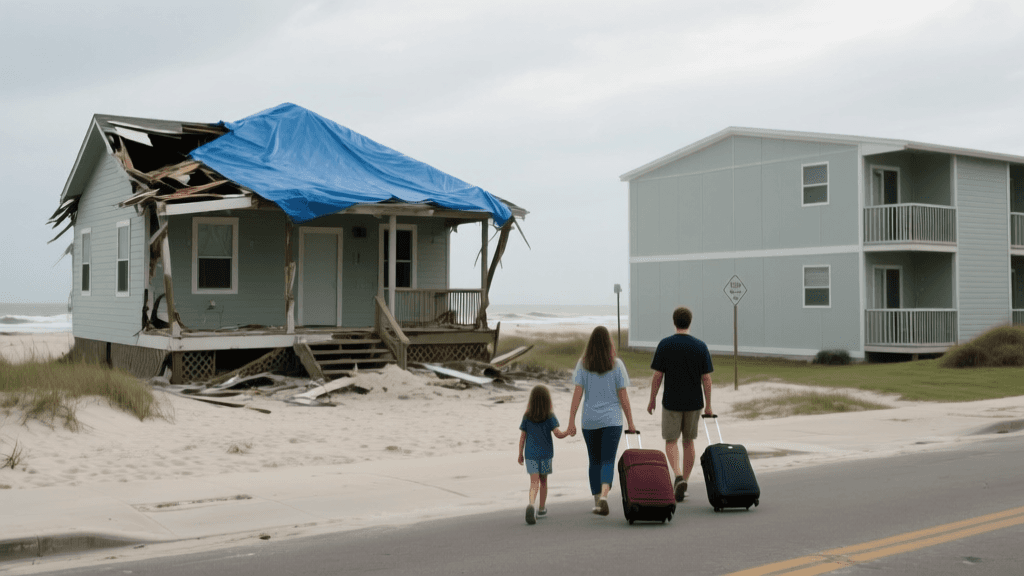
When damage makes a Galveston home unsafe or unsuitable to live in, the disruption can quickly become a paperwork challenge. Additional living expense coverage, often called ALE or loss of use coverage, may help pay certain increased costs while a covered claim is being addressed. It does not automatically reimburse every expense, and the policy’s wording, limits, and claim facts matter. Start a record on the day you leave, even if you are unsure which costs will qualify. Note the reason you had to relocate, the date and time, who left the home, and where the household stayed. Keeping a consistent timeline gives you a useful reference when discussing the claim.
Why Detailed Records Matter in Galveston
Coastal weather can create complicated repair timelines. A storm may damage a roof, allow water intrusion, interrupt utilities, or leave a home requiring drying and repairs before it is practical to return. In Galveston, lodging availability and prices can also shift during busy visitor seasons or after widespread weather damage. Clear records help distinguish costs caused by displacement from expenses the household would have had anyway. Keep the adjuster’s instructions, inspection dates, repair updates, and any notices about habitability together with your expense log. If the household moves between a hotel, rental, or a relative’s home, record each address and the dates there so the timeline remains easy to follow.
Build a Simple Receipt and Expense System
Choose one method that is easy to maintain: a spreadsheet, a notes app, or a paper folder with a matching log. For every expense, record the purchase date, vendor, amount, purpose, and payment method. Photograph or scan the full receipt promptly, including item details and the total, and name the file with the date and category. Keep lodging invoices, parking charges, laundry costs, and meal receipts separate from repair invoices or personal property records. A short note can explain why a cost was necessary, such as a hotel stay because the kitchen could not be used. Save digital copies in a backed-up location and keep originals until the claim is resolved.
Separate Ordinary Costs From Increased Costs
A useful ALE record compares what the household normally spends with what it had to spend because the home could not be occupied. If a family usually prepares meals at home but temporarily relies on restaurants because the kitchen is unusable, document the restaurant bills and note the usual grocery or meal costs for context. Do not assume the full bill is reimbursable: the policy may consider only the increase, and specific terms may apply. Likewise, record temporary lodging, additional transportation, laundry, or other necessary expenses without labeling them as automatically covered. A simple before-and-during comparison helps explain the financial change and gives the insurer information to evaluate under the actual policy.
Track Dates, Household Changes, and Decisions
The expense record should show not only what was spent but when and why. Keep a calendar of the first night away, temporary moves, return visits, and the date the home became suitable for occupancy again. Record changes in household size, such as a family member returning or a pet requiring different lodging, because these details can help explain a change in cost. Save communications about inspection scheduling, repair progress, utility restoration, and any recommendation to remain elsewhere. If a lodging reservation is extended or replaced, write down the reason and retain both the original booking and updated invoice. Do not alter receipts; add a separate note when a document needs explanation.
Communicate Clearly With the Claims Representative
Send records in an organized way and ask how the insurer prefers to receive them, such as through a claim portal or another documented channel. Group expenses by date and category, then include a brief explanation for unusual charges. Keep a copy of everything submitted and note the submission date. Ask focused questions when coverage is unclear: what documentation is needed, whether an expense category is being reviewed, what limits apply, and whether further records are required. Request written clarification when a phone conversation affects your understanding of next steps. Keep the tone factual, and avoid treating an estimate or preliminary discussion as a final coverage decision. Coverage and payment depend on the policy and the insurer’s review of the circumstances.
Local Planning for Galveston and Nearby Communities
In Galveston, a displacement plan may involve temporary lodging on the island or in nearby communities such as Texas City, La Marque, Dickinson, or League City. If you stay farther inland, record the added transportation distance and why that arrangement was practical, but do not assume every added mileage cost is covered. Seasonal demand and regional storm impacts can affect lodging availability, so save booking confirmations and document when a preferred option was unavailable or unsuitable. Keep local conditions in perspective: the insurer evaluates the claim under the policy, not simply because a household lives near the coast. A dated log of repair access, utility status, and communications can help explain why the household remained away.
A Practical Checklist for Your Records
Keep These Details Together
- Maintain a dated timeline showing when you left, each temporary address, and when returning home became practical.
- Save itemized receipts and invoices, then log the vendor, amount, expense type, and reason for each cost.
- Compare increased costs with ordinary household spending, and label the comparison as context rather than a promise of reimbursement.
- Retain claim messages, repair updates, inspection notes, and copies of every document submitted.
- Ask the claims representative what records are needed and verify applicable limits and policy terms before relying on a payment expectation.

What to Do Before Sending an Expense Summary
Before submitting an expense summary, check that dates match receipts and that each amount is legible and entered only once. Separate ALE records from property damage estimates, contractor invoices, and personal property inventories so the purpose of each document is clear. Add a short cover note summarizing the displacement period, temporary locations, and the categories of costs included. Mark missing receipts honestly and ask whether alternate documentation, such as a card statement or lodging confirmation, can be considered. If an expense is disputed or a payment decision is unclear, request the explanation in writing and review the policy provisions and claim correspondence. For complex questions, consider speaking with a qualified insurance professional or legal adviser.
Organize Your Claim Records
Gather your timeline, receipts, and policy documents, then ask the claims representative which additional living expenses and supporting records apply to your claim.
Get a Free Quote