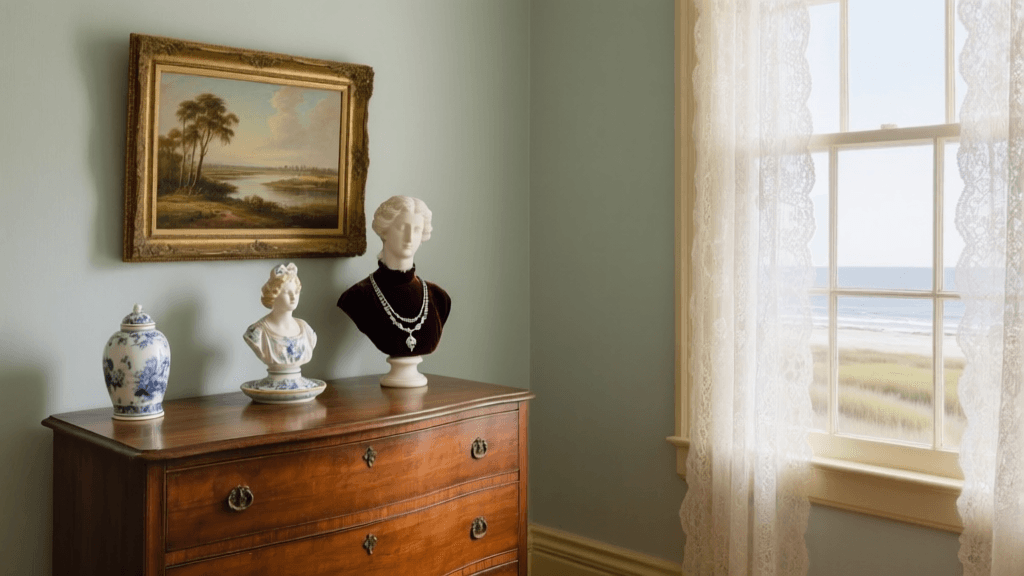
Why Valuable Possessions Deserve a Closer Look
A homeowners policy may protect personal belongings, but that does not always mean every possession is covered up to its full value. Policies commonly set special limits for categories such as jewelry, watches, fine art, coins, and certain collectibles, particularly when an item is lost or stolen. For a Galveston homeowner with a family heirloom ring, a signed painting, or a collection built over many years, those limits can matter. Scheduling is the process of specifically identifying valuable items for consideration under a policy. It can help clarify the amount of coverage and applicable terms, but it is not automatic or universal. This guide explains what to document, what to ask, and when to revisit the schedule.
How Standard Policy Limits Can Affect a Collection
A standard policy’s personal property coverage is usually subject to both a total limit and special sublimits for particular categories. A sublimit is a smaller maximum that applies to a type of property or certain causes of loss, even when the overall belongings limit is much higher. The exact categories, amounts, and covered events vary by policy. That distinction can surprise someone who assumes a high-value engagement ring or a set of collectible watches is covered for its full worth simply because the household has substantial personal property coverage. Review the policy language and declarations rather than relying on a general rule. Ask the insurer how a listed item would be treated for theft, accidental loss, or damage, and what exclusions or deductibles could apply.
Start With a Clear Inventory and Useful Records
Before asking about scheduling, create an inventory that identifies each item precisely. For jewelry, record the type of metal, gemstone details, maker or hallmark, and any serial number. For art, note the artist, title, medium, dimensions, signature, and provenance if available. For coins, memorabilia, or other collectibles, capture edition, grading information, condition, and distinguishing marks. Take clear photographs from multiple angles and retain receipts, certificates, prior appraisals, and repair records. Store copies securely away from the items, such as in encrypted digital storage. In Galveston, where residents may need to organize important household records before severe weather, having a current inventory can also make it easier to describe belongings during a claim or policy review.
Appraisals and Item Descriptions Support the Review
An appraisal is a professional estimate of an item’s value for a stated purpose and date; it is not necessarily a guarantee of what a future sale or insurance claim will produce. An insurer may ask for an appraisal, a recent receipt, a certificate, or another form of proof, depending on the item and its value. A useful report typically describes the item in enough detail to distinguish it from similar property and explains the valuation basis. For example, a generic entry such as “gold necklace” may be much less helpful than a description noting its maker, materials, gemstone characteristics, and identifying marks. Ask who may prepare acceptable documentation, how current it must be, and whether values should reflect replacement cost or another specified basis.
Compare the Coverage Terms, Not Just the Listed Value
A scheduled value is only one part of the coverage decision. Ask how the policy settles a covered loss, whether a deductible applies, and whether protection applies to accidental loss as well as named events. Confirm whether an item is covered while being worn, displayed, transported, stored elsewhere, or taken on a trip. Also ask about exclusions, repair provisions, pair-and-set treatment, and any requirements for security or professional care. Consider a Galveston resident who wears a valuable watch while traveling between the island and League City: the relevant question is not only the amount shown on a schedule, but whether the policy’s territory and loss conditions fit that use. Get answers in writing and compare the complete terms before choosing an option.
Revisit Values as Prices and Collections Change
A schedule can become inaccurate when a collection changes or its market value shifts. Jewelry may be redesigned, art may be restored, and collectibles may gain or lose value as demand changes. A new purchase, inheritance, gift, or sale should prompt a review so the listed items and values remain relevant. Keep an updated record of what has been added or removed, and ask the insurer whether it requires new documentation to make a change effective. For example, someone who inherits a painting from a relative in Galveston may have a family description and old receipt but no current valuation. The next step is to gather available provenance and ask what appraisal or other evidence is needed before relying on the policy schedule.
Local Considerations for Galveston Homeowners
Galveston’s coastal setting makes practical recordkeeping especially relevant, but valuable-property coverage and property-damage coverage are not the same thing. A scheduled item may have terms addressing particular losses, while a homeowners policy can have separate limitations or exclusions for causes such as flooding or wind. Do not assume that listing an artwork or instrument resolves every question about water damage, storm damage, or where the item is kept. Ask how the policy treats each risk and whether separate coverage may be needed. Residents in nearby Texas City, La Marque, and Dickinson should also check the details of their own policy rather than assuming that location alone determines protection. Store irreplaceable records securely and keep an inventory accessible if household property needs to be documented.
Key Steps Before You Request a Schedule
A Practical Review Checklist
- Identify possessions that may exceed a category sublimit, and check the policy to learn which limits and causes of loss apply.
- Gather itemized descriptions, current photographs, receipts, certificates, appraisals, and records of repairs or restoration.
- Ask the insurer what valuation documents it accepts and whether an appraisal must meet a particular date or professional standard.
- Compare deductibles, exclusions, settlement terms, and coverage away from home instead of considering the scheduled amount alone.
- Update the inventory and contact the insurer after buying, inheriting, selling, or substantially changing a valuable item.

What to Do Next
Choose one or two of your most valuable possessions and compare their documentation with the language in your current policy. Write down what remains unclear: the applicable sublimit, whether scheduling is available, what evidence is required, and how a covered loss would be settled. Then contact the insurer or a licensed insurance professional to discuss the policy’s actual terms and any options. Bring the inventory and appraisal records so the conversation can focus on specific items rather than estimates. Avoid assuming a schedule is active until the insurer confirms the change and its effective date. A careful review helps Galveston homeowners make informed decisions about jewelry, art, and collectibles while keeping coverage records aligned with a changing household.
Review Your Valuable Property Coverage
Gather your item records and compare policy limits, valuation requirements, and coverage terms with a licensed insurance professional.
Get a Free Quote