Why Home System Care Matters in Galveston
A malfunctioning air conditioner, water heater, electrical panel, or built-in appliance can disrupt daily life and lead to an expensive repair. In Galveston, salt air, humidity, heat, and occasional severe weather make steady home care especially important. Maintenance cannot prevent every failure, but it can help homeowners spot developing problems, arrange timely service, and keep useful records. It is also important to understand that an insurance policy may treat gradual wear or neglected upkeep differently from a sudden mechanical or electrical breakdown. This guide explains practical ways to care for major systems, document the work, and review equipment breakdown coverage without assuming every repair is insured.
Maintenance Is Different From an Insured Breakdown
Routine maintenance means ongoing work intended to keep equipment operating, such as cleaning an air-conditioner filter, flushing a water heater when recommended, or arranging an inspection. Equipment breakdown coverage, when included or added to a policy, may address certain sudden and accidental mechanical or electrical failures, subject to its terms, limits, and exclusions. It generally should not be assumed to pay for tune-ups, ordinary aging, corrosion, or a problem that developed over time. For example, a homeowner may pay for a scheduled HVAC service even when a later compressor failure could potentially qualify for review under a policy endorsement. The insurer evaluates the cause, evidence, and specific contract language before determining coverage.
Build a Useful Maintenance Record
Keep a simple record for each major system: installation date if known, service dates, technician findings, parts replaced, and recommendations for follow-up. Save invoices, inspection reports, manuals, warranty information, and clear photos of equipment labels. A dated note can also record unusual noises, leaks, error messages, or a change in performance and what action followed. These records can help a repair professional understand the system’s history and may help an insurer assess when damage occurred and whether it appears sudden or gradual. Avoid altering or discarding failed components until the insurer or technician advises what to do, especially after a significant breakdown.
Schedule Inspections and Address Small Warning Signs
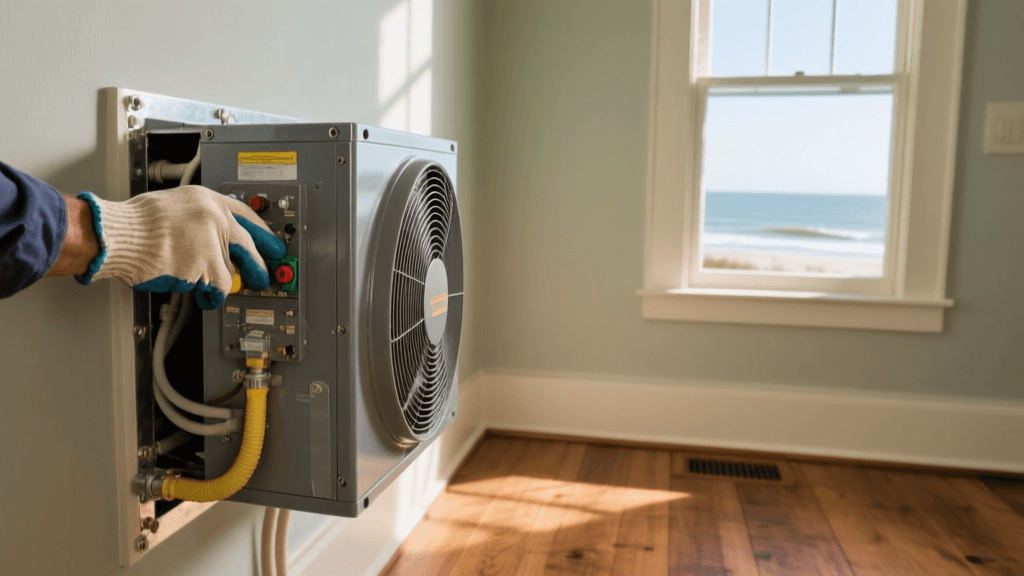
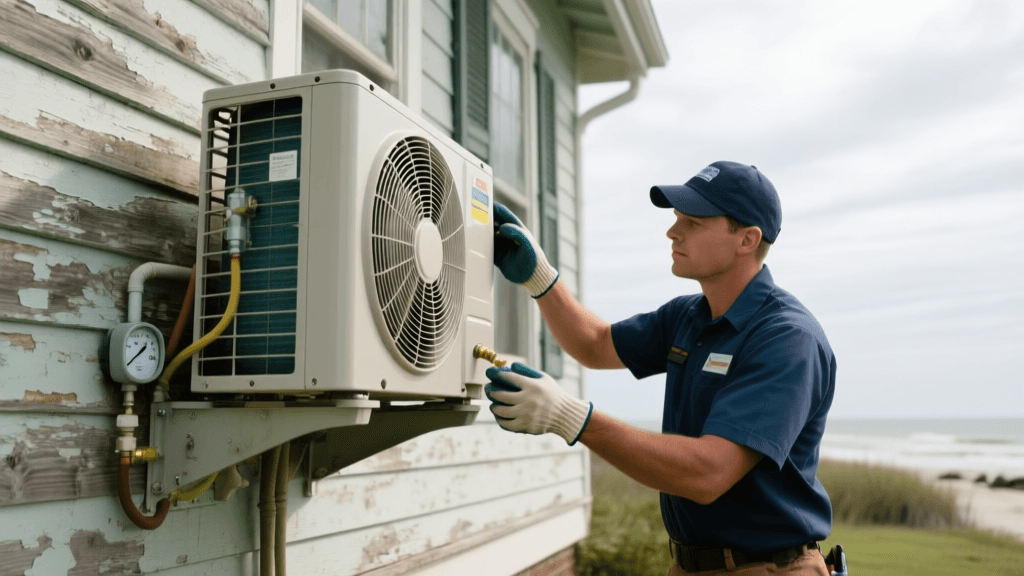
Follow the manufacturer’s maintenance schedule and ask a qualified professional what inspection frequency suits the equipment, its age, and local conditions. A technician may check HVAC drainage, electrical connections, refrigerant-related performance, water-heater condition, or other components within their expertise. Homeowners can also watch for warning signs such as repeated breaker trips, burning odors, unusual vibration, slow leaks, or inconsistent cooling. Do not attempt electrical or mechanical repairs beyond your skill; shut off equipment or water only when it is safe, then contact a qualified professional. Prompt attention can reduce further damage, but it does not guarantee that a resulting repair will be covered.
Review What Equipment Breakdown Coverage Says
Start by checking whether your homeowners policy includes equipment breakdown coverage or offers it as an endorsement. Read the definition of covered equipment and breakdown, the deductible, payment limit, exclusions, and any special conditions. Ask how the policy treats labor, temporary repairs, spoiled food, code upgrades, or damage to other property, since these details can differ. A policy may cover certain sudden internal failures but exclude damage caused by wear, corrosion, inadequate maintenance, or a condition outside the endorsement’s definition. Do not rely on a general description alone: the declarations, endorsements, exclusions, and claim decision all matter. If wording is unclear, ask the insurer or a licensed insurance professional to explain it.
Act Carefully When a System Fails
If a system stops working, first consider safety. For smoke, sparks, a gas odor, or active flooding, leave the area or contact emergency services and the appropriate utility when necessary. Once safe, take reasonable steps to prevent additional damage, such as shutting off water to a leaking fixture if you know how. Photograph the equipment, surrounding damage, model and serial labels, and any visible error message before cleanup or disposal. Contact a qualified repair professional and notify the insurer promptly if the incident may involve a claim. Keep receipts for emergency work and document conversations. Avoid making a permanent repair or discarding parts before the insurer has had a reasonable opportunity to inspect, unless immediate safety needs require action.
Coastal Conditions Call for Consistent Attention
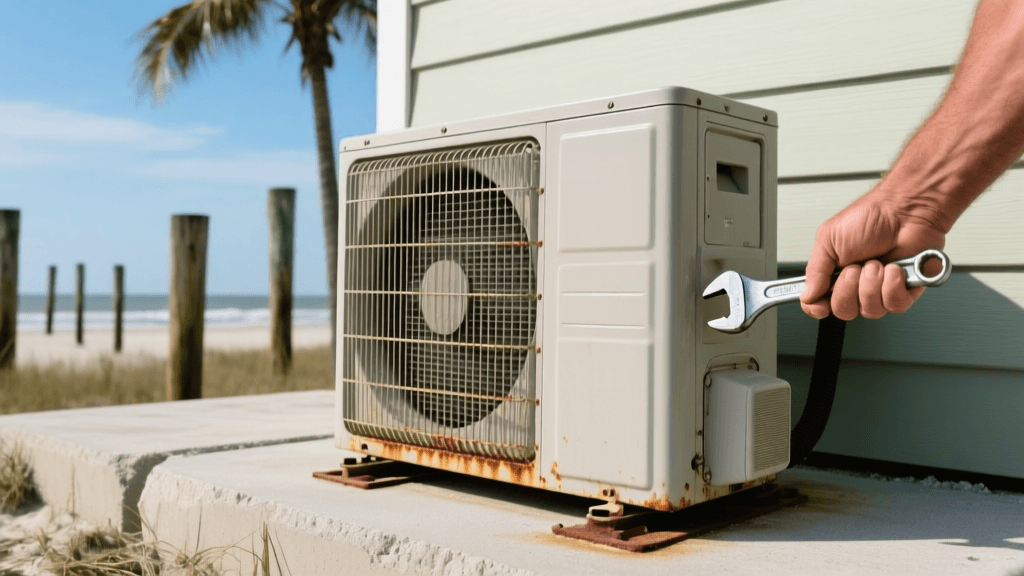
Galveston homes face a combination of high humidity, warm weather, salt-laden air, and storm exposure that can make system condition worth monitoring. Outdoor HVAC components and exposed metal parts may need attention appropriate to the manufacturer’s guidance and the property’s location. After a storm, look for visible water intrusion or equipment damage only when it is safe to do so, and arrange professional evaluation if systems were exposed to water. Homes near the coast and properties farther inland can have different maintenance needs, so avoid assuming one checklist fits every house. Residents in nearby Texas City, Dickinson, and League City may also encounter coastal-weather considerations, but equipment condition and policy terms are specific to each home.
Practical Habits That Help Homeowners
A Simple System-Care Checklist
- Keep a dated file of service invoices, inspection findings, warranties, and photographs for each major system.
- Follow manufacturer guidance and schedule qualified service based on equipment condition, age, and local exposure.
- Respond promptly to leaks, unusual sounds, burning odors, repeated electrical trips, or changes in performance.
- Review the policy and any equipment breakdown endorsement for definitions, deductibles, limits, exclusions, and claim duties.
- After a failure, prioritize safety, prevent further damage when practical, document conditions, and contact the insurer promptly.

Review Your Coverage Before You Need It
Set aside time to review your current policy before a major system fails. Identify whether equipment breakdown coverage is included, note the deductible and limit, and check how the endorsement defines a covered event. Compare those terms with your home’s equipment, age, and maintenance history, and ask specific questions rather than relying on assumptions about what “breakdown” means. If you are considering a policy change, compare the full terms and costs, not just the coverage label. Homeowners in Galveston and surrounding communities can use maintenance records to describe their systems accurately when seeking guidance. Insurance coverage is governed by the policy contract, and only the insurer can determine whether a particular loss qualifies.
Make Your Home System Plan
Gather recent service records and review your policy’s equipment breakdown terms so you know what questions to ask before a failure occurs.
Get a Free Quote